
Quechuas (indigenous Quechua-speaking peoples of the Andes)
Quechuas are diverse indigenous peoples of the central Andes who speak varieties of the Quechua language family and live mainly in Peru, Bolivia, Ecuador, Argentina and parts of Colombia.
Overview
The term "Quechuas" refers to a collection of indigenous peoples of the central Andes who use one or more varieties of the Quechua language. These communities are found across South America, especially in highland areas. "Quechua" functions both as a label for related ethnic groups and for a family of languages and dialects; individual communities often identify themselves by local names rather than by a single pan-Andean label.
Image gallery
10 Images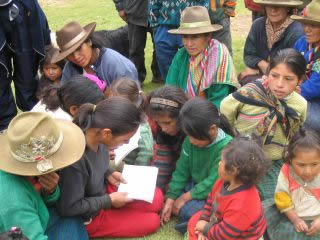



Language and identity
Quechua is a widespread language family with many regional varieties. Southern Quechua is prominent in the central Andes, while several northern varieties are known as Kichwa or Quichua in Ecuador. Speakers range from rural highland farmers to urban migrants, and language practices vary from monolingual Quechua communities to fully bilingual households. The linguistic label is important for cultural identity, but it does not imply a single, uniform ethnic group.
Geographic distribution
Quechua-speaking populations are concentrated in the Andean nations. Major centers include:
- Peru — home to many Quechua-speaking communities and a wide range of dialects.
- Bolivia — where Quechua speakers coexist with Aymara and other indigenous groups.
- Ecuador — where Quechua varieties are commonly called Kichwa or Quichua.
- Argentina — smaller Andean highland communities maintain Quechua traditions.
- Colombian highland groups, often referred to as Ingas, speak northern Quechua varieties and link culturally to broader Quechua traditions.
History and development
Historically, Quechua varieties spread through complex processes of pre-Inca and Inca expansion, trade, and later colonial and republican-era transformations. The language rose in prominence under the Inca state, which promoted a lingua franca across large Andean territories, and subsequently adapted to changing political landscapes during the Spanish colonial period and national state formation.
Culture, economy and social life
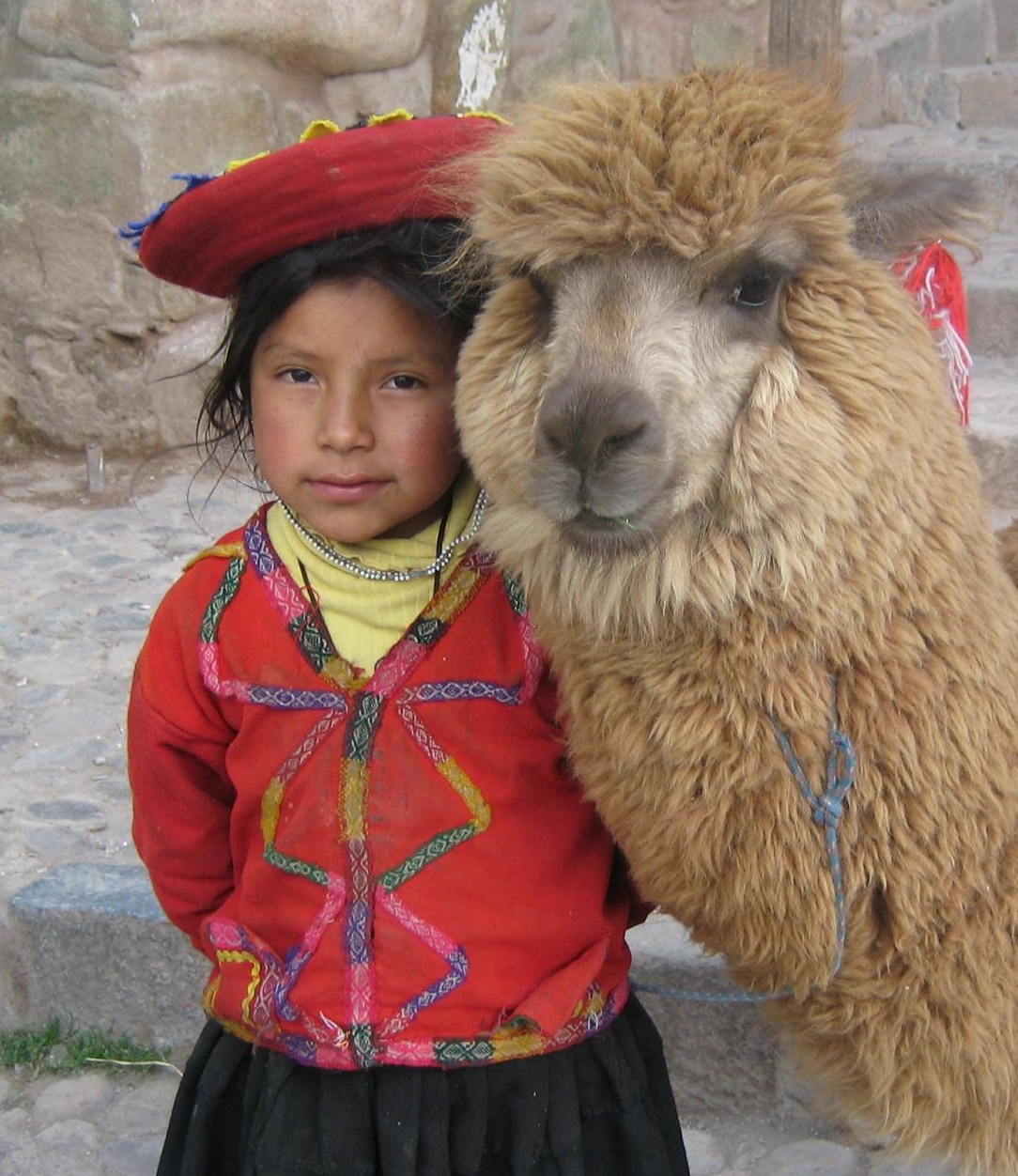
Quechua-speaking communities have rich cultural traditions, including textile weaving, ritual calendar observances, agriculture adapted to highland ecology, and oral literature. Staple crops, communal forms of land use and festival cycles remain central. Urban migration and schooling have created new bilingual and intercultural dynamics, shaping contemporary Quechua identity.
Contemporary issues and distinctions
Today Quechua speakers engage with language revitalization, legal recognition, education in indigenous languages, and political representation. There is considerable internal diversity: different dialects, local customs, and self-identifications mean "Quechuas" is best understood as a plural set of peoples linked by related languages and shared Andean cultural elements rather than a single monolithic group. For further reading on linguistic classifications and regional surveys, see general resources on the Quechua language and regional studies for Peru, Bolivia, Ecuador and Argentina.
Related articles
Author
AlegsaOnline.com Quechuas (indigenous Quechua-speaking peoples of the Andes) Leandro Alegsa
URL: https://en.alegsaonline.com/art/80444