
Pulmonary fibrosis: causes, symptoms, diagnosis and management
Pulmonary fibrosis is progressive scarring of the lungs that impairs oxygen transfer. This article summarizes causes, symptoms, diagnostic approaches, treatments and prognosis.
Pulmonary fibrosis is a group of lung disorders characterized by progressive scarring (fibrosis) of the lung interstitium. The scarring thickens and stiffens lung tissue, reducing elasticity and the ability to transfer oxygen from air into the bloodstream. The process of fibrosis involves deposition of fibrous connective tissue and altered repair after injury; for general background see respiratory disease resources.
Image gallery
4 Images

Pathophysiology
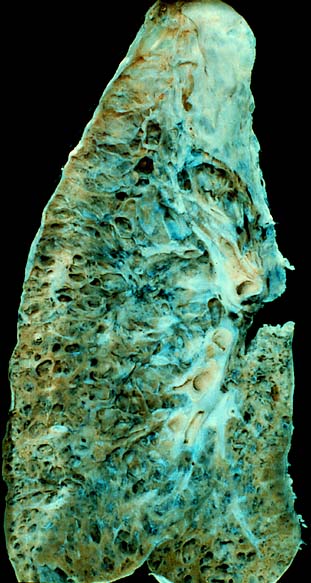
In pulmonary fibrosis, repeated injury to the alveolar epithelium and persistent activation of repair pathways lead to accumulation of fibroblasts and excess extracellular matrix. Alveolar walls become thickened, gas exchange is impaired and lung volumes fall. Over time, characteristic radiologic and histologic changes such as reticulation and honeycombing may develop. Reduced diffusing capacity for carbon monoxide (DLCO) is a common physiological finding reflecting impaired gas transfer.
Causes and risk factors
Some cases have identifiable causes: long-term inhalation exposures (for example silica or asbestos), certain medications, radiation injury, or pulmonary involvement of systemic connective tissue diseases. Smoking and increasing age are recognized risk factors. When no cause is identified the condition is termed idiopathic pulmonary fibrosis, a specific clinical and radiologic syndrome that often follows a progressive course. Genetic predisposition and environmental interactions are areas of active study.
Symptoms and clinical features
- Progressive exertional shortness of breath (dyspnea)
- Persistent dry cough
- Fatigue and reduced exercise capacity
- Fine inspiratory crackles on auscultation, often described as "Velcro" crackles
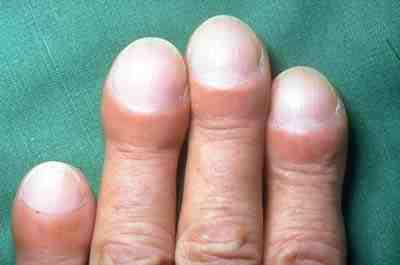
- Digital clubbing in some patients
Diagnosis
Diagnosis combines history, physical examination, pulmonary function testing and imaging. High-resolution computed tomography (HRCT) of the chest is central because it can identify patterns of interstitial scarring and distribution that often suggest a particular cause or pattern. Pulmonary function tests usually show a restrictive pattern with reduced lung volumes and impaired gas transfer. Blood tests help exclude connective tissue disease or other causes. In selected cases bronchoalveolar lavage or surgical lung biopsy may be needed, and many centers use multidisciplinary team review to reach a consensus diagnosis. Pathology reports show excess fibrous connective tissue and altered alveolar architecture when biopsy is performed.
Treatment and management
There is currently no treatment that reverses established scar tissue, so management aims to slow progression, relieve symptoms and maintain quality of life. For certain diagnoses, antifibrotic medications have been shown to reduce the rate of functional decline and are commonly used in eligible patients. Supportive measures include supplemental oxygen for hypoxemia, pulmonary rehabilitation to improve exercise capacity and symptom control, vaccination against respiratory pathogens, and smoking cessation. Acute exacerbations require prompt medical care. Advanced disease may be considered for lung transplantation in appropriate candidates. Palliative care and symptom-focused therapies are important components of long-term management.
Complications and prognosis
Complications can include progressive respiratory failure, pulmonary hypertension, chronic respiratory infections and episodes of acute exacerbation. Prognosis varies widely depending on the underlying cause, extent of disease at diagnosis and comorbidities. Some forms progress slowly while others follow a more rapid course. Early recognition, appropriate use of available therapies and regular follow-up can improve symptom control and planning of care.
Research and resources
Research continues into the cellular mechanisms that drive fibrosis, biomarkers for earlier detection, and new drug therapies. Clinical trials are an important option for some patients. For reliable patient and clinician information consult specialist guidelines and trusted respiratory health organizations via patient resources or professional summaries and research updates available at specialist sites.
Related articles
Author
AlegsaOnline.com Pulmonary fibrosis: causes, symptoms, diagnosis and management Leandro Alegsa
URL: https://en.alegsaonline.com/art/80021
Sources
- mayoclinic.org : "Definition [of pulmonary fibrosis]"
- medicinenet.com : "Pulmonary Fibrosis"