
Quetzalcoatl: the Mesoamerican Feathered Serpent Deity
Quetzalcoatl, often called the Feathered Serpent, is a central Mesoamerican deity associated with the sky, wind, learning and the planet Venus; venerated across cultures from Teotihuacan to the Aztecs.
Overview
Quetzalcoatl is the Nahuatl name commonly used for a prominent Mesoamerican deity whose name combines quetzalli (a bright plume or quetzal bird) and coatl (snake). The compound is conventionally translated as "feathered serpent" or "plumed serpent." In Aztec contexts Quetzalcoatl was reverenced as a sky and wind figure and as a creator and cultural patron. He appears in sources as both an animal-like serpent adorned with feathers and as a quasi-human divine figure linked to priests, crafts, and knowledge. For pronunciation and linguistic notes see sources.
Image gallery
10 Images



Characteristics and iconography
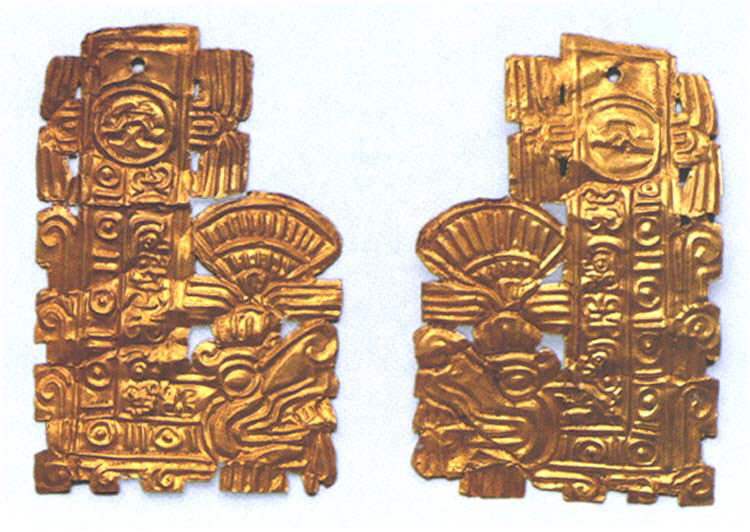
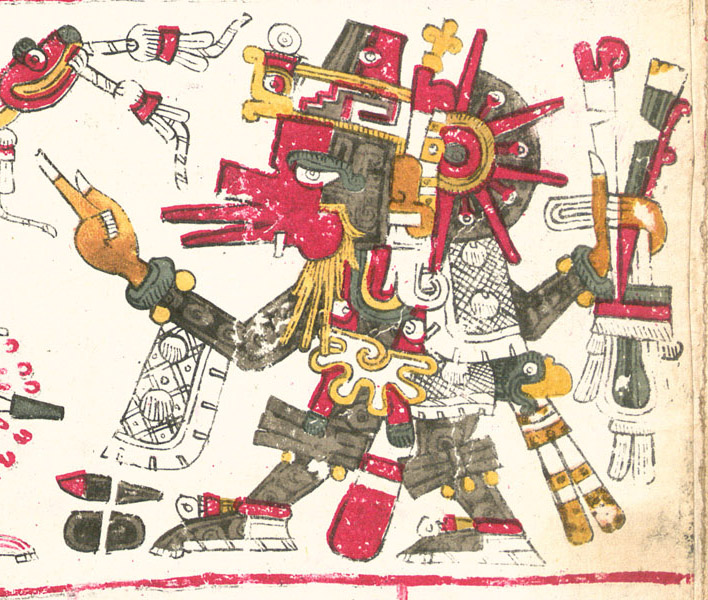
Artistic depictions of Quetzalcoatl vary by time and place. As a plumed serpent he appears on monumental reliefs, friezes, and architectural decorations at major centers. In human form he is sometimes shown wearing conical hats, shell ornaments, or ritual regalia associated with priesthood and learning. Quetzalcoatl is often associated with the planet Venus — especially its appearance as the morning star — and with wind and breath, linking him to life, fertility, and communication. His iconography can blend with that of Ehecatl (a wind aspect) and other deities, creating regional variations.
Historical development and distribution
The idea of a feathered-serpent deity predates the Aztecs and is visible across Mesoamerica. Large-scale archaeological complexes such as Teotihuacan feature repeated feathered-serpent imagery, and later cities like Tula and Chichén Itzá also display related motifs. Because similar figures appear at many sites, scholars treat the feathered serpent as a long-lived, broadly shared religious concept rather than a single uniform god. The Nahuatl name Quetzalcoatl became prominent with the Aztec empire, but comparable figures are known by other names, notably the Maya Kukulkan. Several historical rulers in central Mexico adopted the name or title Quetzalcoatl, which complicates efforts to separate legendary narratives from political history.
Functions, myths and cultural roles
Within Aztec religion Quetzalcoatl held several overlapping roles: a patron of the priesthood, a bringer of arts, crafts and knowledge, a symbol of moral or cultural order in some myths, and a cosmic force associated with Venus and wind. Some accounts describe Quetzalcoatl as a culture hero who brought maize, calendars, and codices or who opposed darker deities, though the details vary widely by source. During the Spanish conquest chroniclers reported that stories connecting Quetzalcoatl to a promised return were part of indigenous memories, and later interpretations — including those concerning Hernán Cortés — remain debated and contested among historians.
Related deities and legacy
Quetzalcoatl appears in a pantheon that included other major gods such as Tezcatlipoca and Huitzilopochtli. The feathered serpent theme links many cultures across the region: Teotihuacan's monumental serpents, the columns and reliefs at Chichén Itzá, and Tula's sculptural programs all testify to the motif's widespread significance. Archaeological sites and ethnographic records continue to inform modern understanding; for iconographic examples see the so-called "Citadel and Temple of Quetzalcoatl" at Teotihuacan and related illustrations here. For broader regional context and comparative studies, consult syntheses on Mesoamerican religion and art.
Why Quetzalcoatl matters today
Quetzalcoatl remains one of the most recognizable symbols of pre-Columbian Mexico. He is studied in archaeology, history, and anthropology and appears widely in modern art, literature, and popular culture. Discussions about Quetzalcoatl illuminate how ancient religious ideas were adapted by different communities, how political leaders invoked sacred names, and how colonial-era narratives shaped later interpretations. Readers interested in iconography, comparative mythology, or the cultural history of Mesoamerica will find Quetzalcoatl a useful focal point for exploring these themes.
- Pronunciation and language notes: linguistic source
- Religious roles: sky and wind, creator aspects, divine status
- Comparative deities: Tezcatlipoca, Huitzilopochtli
- Archaeological examples and sites: see Teotihuacan citations and general surveys of Mesoamerica
Related articles
Author
AlegsaOnline.com Quetzalcoatl: the Mesoamerican Feathered Serpent Deity Leandro Alegsa
URL: https://en.alegsaonline.com/art/80521