
Queen of Sheba
Historic and legendary ruler associated with the ancient kingdom of Sheba; known from biblical, Qur'anic, Ethiopian and Arabian traditions and influential in art, literature, and national myth.
The Queen of Sheba is a figure who appears in several religious and historical traditions as the monarch of a wealthy kingdom—commonly called Sheba or Saba—whose seat is placed in southern Arabia (modern Yemen) or the Horn of Africa. In narrative accounts she is most famous for visiting King Solomon, testing his wisdom, and exchanging lavish gifts and riddles. Whether she was a single historical ruler, a composite of several royal figures, or a largely legendary character remains a subject of scholarly debate.
Image gallery
10 Images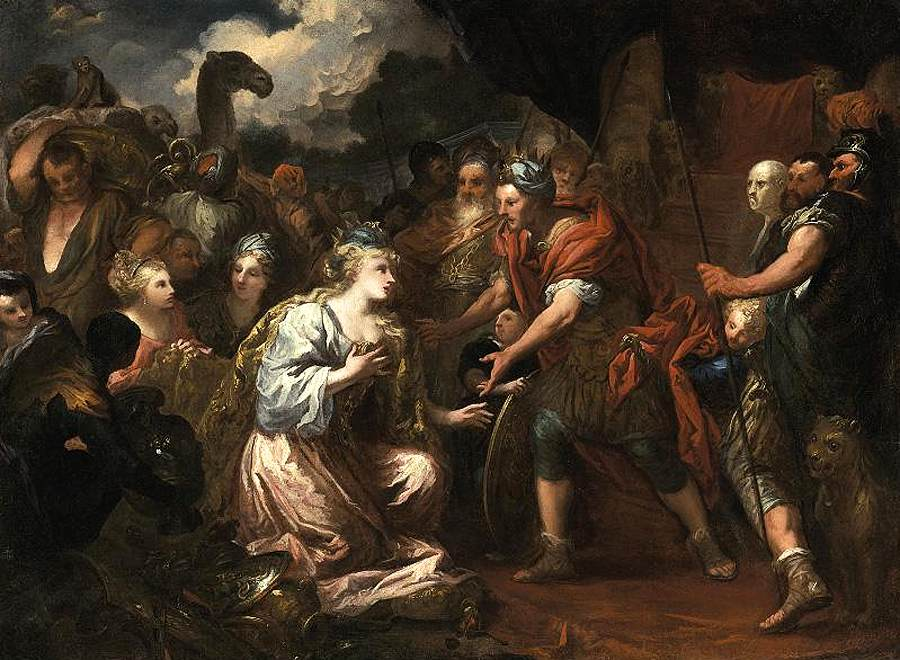


Sources and major traditions
Primary textual references to the queen appear in the Hebrew Bible/Old Testament and the Qur'an. The biblical account describes her journey to Jerusalem to witness Solomon's wisdom and bring gold and spices; for a modern translation consult the Hebrew Bible/Old Testament via source. The Qur'anic story emphasizes her encounter with Solomon and her eventual conversion; see the Qur'an narrative via source. Later elaborations develop these brief scriptural mentions into richer narratives.
Historical and archaeological context
Sheba (Saba) was a real polity known from inscriptions and archaeology in the first millennium BCE, centered on trade in incense, myrrh, and luxury goods. Archaeologists identify Sabaean sites in present-day Yemen and note trade links across the Red Sea. However, direct archaeological confirmation that a specific female monarch led the state at the time of Solomon is lacking; scholars therefore treat the Queen of Sheba as a figure with both historical and legendary layers.
Names, motifs and variations
- Names: traditions call her Bilqis (in Islamic and later Arabic sources), Makeda (in Ethiopian tradition), or simply the Queen of Sheba.
- Typical motifs: long journey, tests of wisdom, exchange of gifts (gold, spices, precious stones), and political or spiritual recognition of Solomon.
In Ethiopian tradition she is central to the Kebra Nagast, which claims she bore a son, Menelik I, by Solomon and thus founded a Solomonic dynasty in Ethiopia. Arab and Jewish commentators developed other details, often to highlight the queen's intelligence, sovereignty, and the international prestige of her realm.
Legacy and cultural importance
The Queen of Sheba has been a potent cultural symbol: inspiring poetry, paintings, operas, and nationalist histories in Yemen and Ethiopia. She represents cross‑cultural contact in Antiquity, female rulership in early narratives, and the economic networks of the ancient Red Sea world. Modern historical work continues to separate literary embellishment from archaeological evidence while recognizing the queen's enduring role in religious and popular imagination.
Related articles
Author
AlegsaOnline.com Queen of Sheba Leandro Alegsa
URL: https://en.alegsaonline.com/art/80463