
Ptah — Egyptian god of craftsmen, architects, and creation
Ptah was the chief deity of Memphis in ancient Egypt, patron of craftsmen and builders; depicted as a mummiform creator-god who fashions the world by thought and word, with enduring cult and artistic symbolism.
Overview
Ptah was a principal deity in ancient Egyptian religion, venerated especially in the city of Memphis. Regarded as the patron of craftsmen, architects and builders, Ptah acquired broader associations as a creator and a stabilizing force in the cosmos. Classical and Egyptian sources identify him with craft, royal artisanship and the ordered making of objects and places. For further reference on his role, see Ptah in ancient sources and the mention in lists of early rulers in king lists.
Image gallery
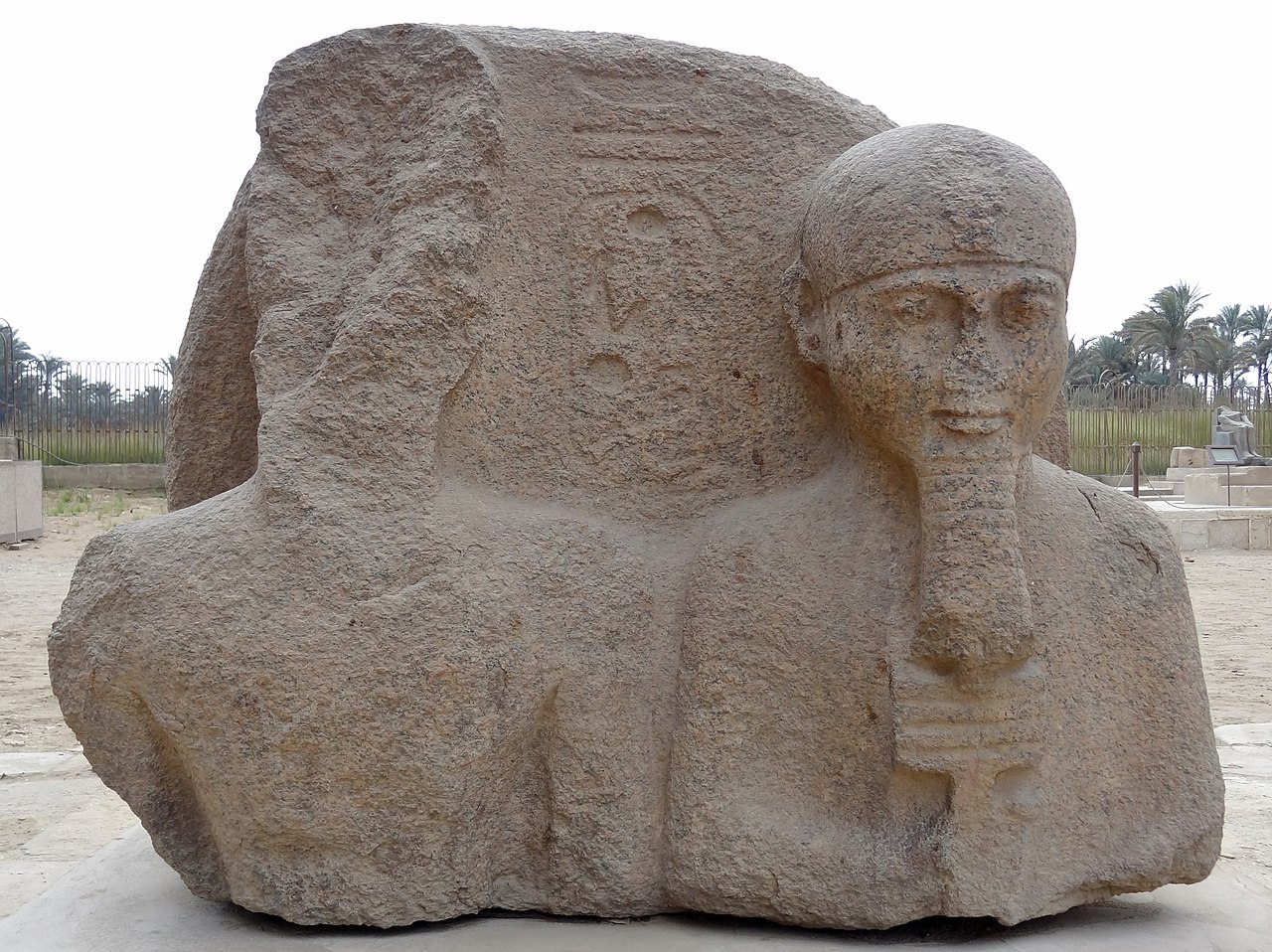
10 Images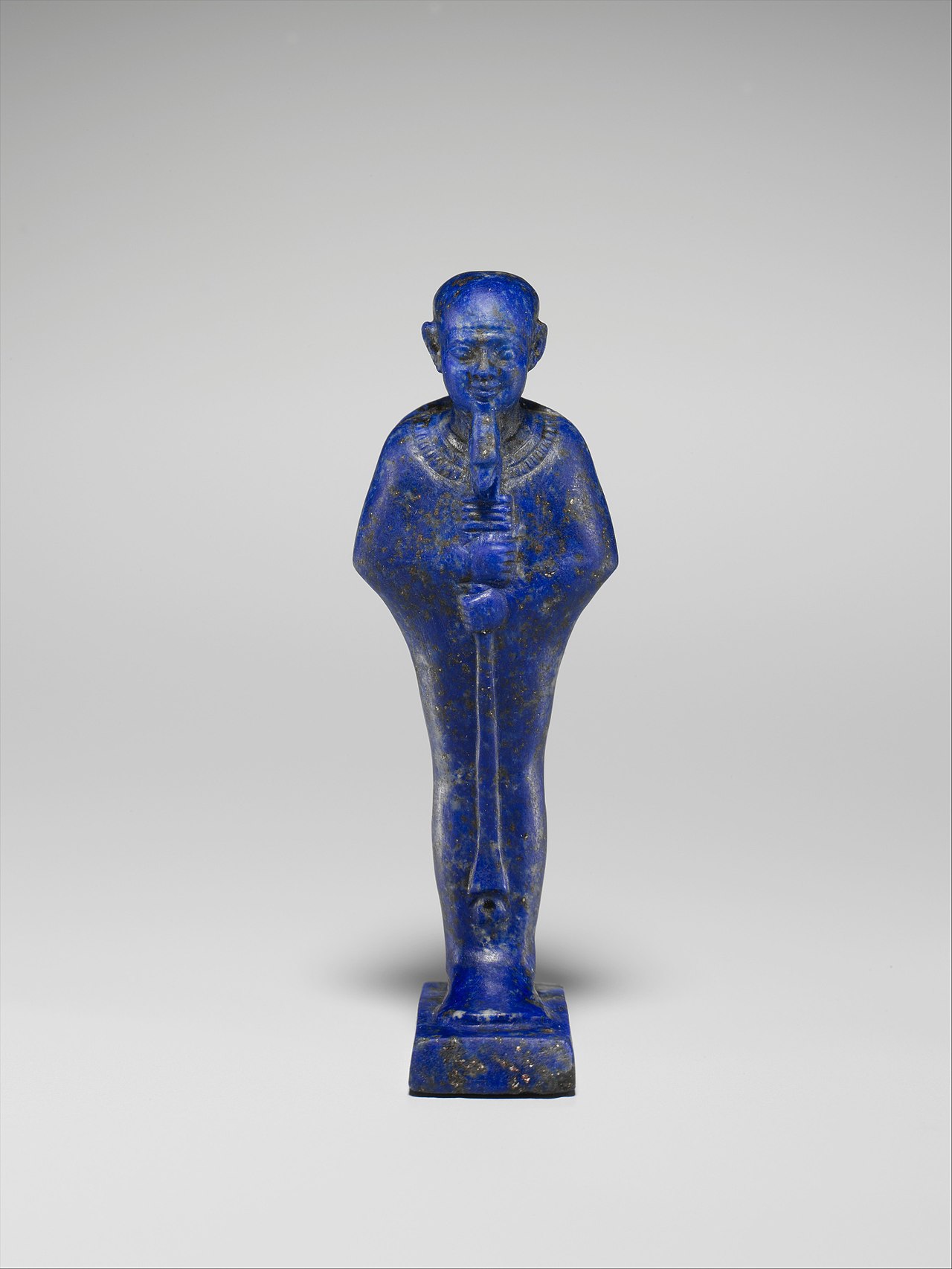




Iconography and symbols
In art Ptah is typically shown as a mummified, bearded man wearing a close-fitting skullcap. He often carries a composite sceptre combining three symbolic emblems: the was staff (power), the ankh (life) and the djed (stability). Artists sometimes represent him holding a large tool or implement that evokes craftsmanship or ritual function. Examples and museum treatments of his image can be consulted through online collections: art and artifacts.
- Appearance: mummiform, bearded, skullcap.
- Attributes: combined sceptre (was-ankh-djed), tools of artisans.
- Associations: craftsmen, architects, temple-builders.
Cult, temples and priesthood
Ptah's principal cult center was Memphis, one of ancient Egypt's major political and religious capitals. His temple at Memphis served as a focal point for royal rituals and for guilds of craftsmen who invoked him as patron and model. He was linked in temple theology and ritual to other deities — most commonly Sekhmet, sometimes Bast, and in family groupings with Nefertum — reflecting local theological combinations preserved in temple inscriptions. Read more about his Memphis cult and priesthood traditions at Memphis religious history.
Mythology, theology and legacy
Memphite theological texts attribute to Ptah a role in creation by mind and speech: the god conceives existence in the heart and brings it into being by naming it. This concept influenced later Egyptian cosmological thought and was preserved on important stone texts. During the Greco-Roman period Ptah was sometimes equated with craft-related gods of the Mediterranean world and incorporated into syncretic cults; he also appears in composite forms such as Ptah-Sokar-Osiris. For comparative studies see comparative religion and archaeological surveys at Memphite sites.
Ptah's enduring importance lies in his combination of practical patronage — protecting and legitimizing craftsmen, builders and artists — with an abstract creative principle that linked making, speech and divine order. His imagery and ideas left a lasting mark on Egyptian art, temple practice and theological reflection.
Questions and answers
Q: Who is Ptah in Egyptian mythology?
A: Ptah is the ancient Egyptian god of craftsmen and architects, and is considered as the first of the eight legendary god-kings of Egypt.
Q: What is Ptah known for?
A: Ptah is known for being the local god of Memphis, one of the ancient capitals of Egypt, and for inventing the arts.
Q: What does Ptah look like in art?
A: In art, Ptah is depicted as a hairless, bearded mummified man, often wearing a skull cap, and holding a djed or other large tool which he is sometimes shown using during mummification ceremonies.
Q: Was Ptah married to any other deity?
A: Yes, Ptah was believed to be married to Sekhmet.
Q: Which city in Egypt was Ptah associated with?
A: Ptah was the local god of Memphis, one of the ancient capitals of Egypt.
Q: What was Ptah's role in the Egyptian society?
A: Ptah was regarded as the patron of craftsmen and was believed to have invented the arts.
Q: What source contains Ptah's name among the eight legendary god-kings of Egypt?
A: Ptah's name is present in the Turin King List, as the first of the eight legendary god-kings of Egypt.
Related articles
Author
AlegsaOnline.com Ptah — Egyptian god of craftsmen, architects, and creation Leandro Alegsa
URL: https://en.alegsaonline.com/art/79875