
Procellariiformes: the tube‑nosed seabirds
Procellariiformes are a global order of seabirds including albatrosses, petrels, shearwaters, storm petrels and diving petrels, noted for tube-like nostrils, long flights, single-egg clutches and specialized salt excretion.
The order Procellariiformes is a distinctive group of ocean‑going birds often referred to as seabirds. Members of this order share a set of anatomical and ecological traits that adapt them to life at sea: tubular nostrils, strong wings for long-distance flight, and glands that remove excess salt. Taxonomically the order is usually split into four principal families, each with its own life history and feeding style.
Image gallery
10 Images


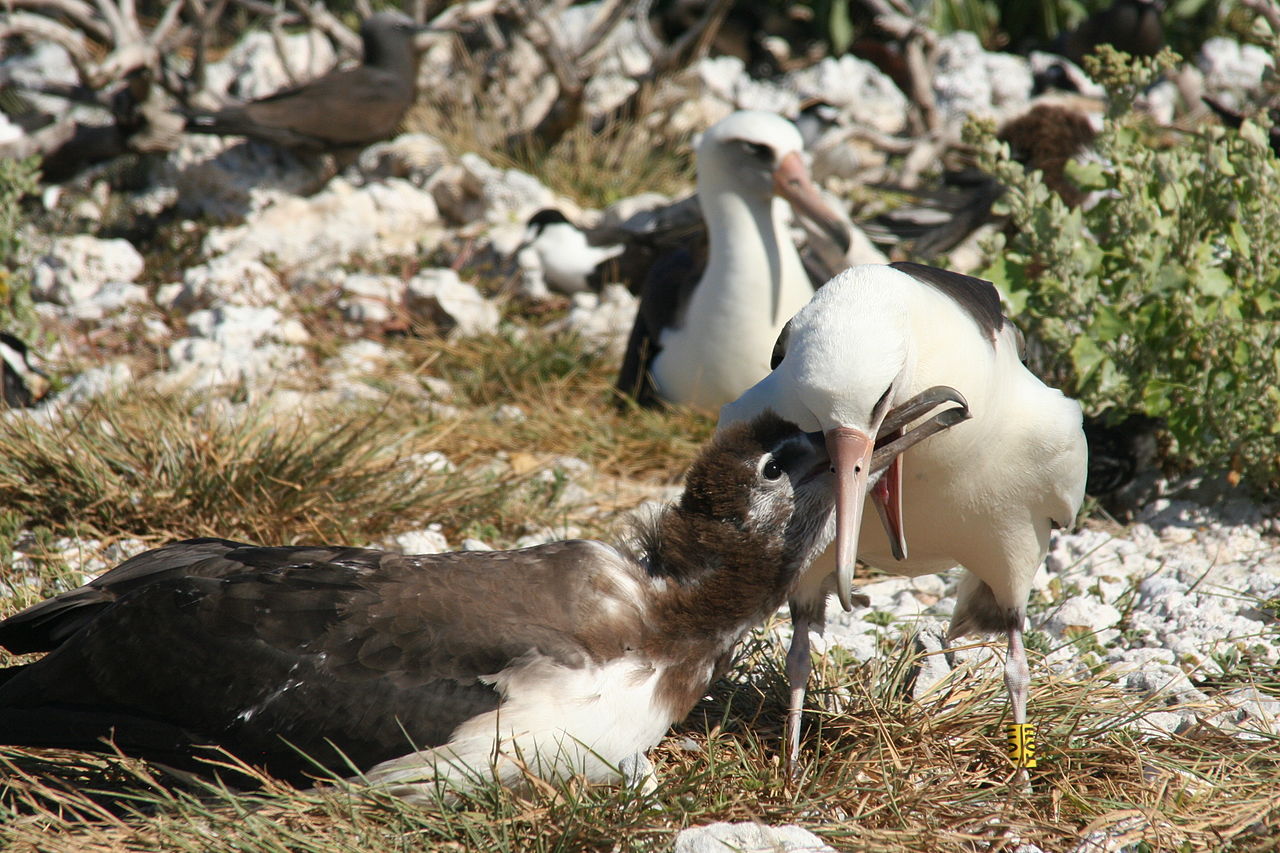


Families and typical representatives
- Albatrosses (Diomedeidae): large, long-winged seabirds famed for dynamic soaring and extensive ranges.
- Petrels and shearwaters (Procellariidae): a diverse group that contains many medium-sized species, including both surface‑feeding and pursuit-diving forms.
- Storm petrels (Hydrobatidae or Oceanitidae in some classifications): small fluttering seabirds that feed on plankton and small prey at the sea surface.
- Diving petrels (Pelecanoididae): compact birds that pursue prey underwater with rapid wingbeats.
Key adaptations and behavior
Procellariiforms possess several convergent specializations for pelagic life. The tube-like nostrils (naricorns) are linked to an acute sense of smell, useful for locating patchy food at sea. A well-developed salt gland above the eye concentrates and excretes saline fluids, allowing these birds to drink seawater. Many species are capable of long, energy‑efficient flights—albatrosses use dynamic soaring, while smaller shearwaters perform repeated transects between foraging grounds and colonies.
Reproduction and life cycle
Breeding strategies in this order are conservative and slow. Most species lay only a single egg per nesting attempt (commonly noted as a single‑egg clutch; see single egg) and invest heavily in each offspring. Both parents share incubation and chick provisioning. Incubation periods and fledging times are unusually long for birds of comparable size, a characteristic highlighted in studies that compare avian life histories (long incubation and fledging). Some large albatrosses breed biennially, skipping years to recover condition.
Distribution, ecology and importance
Procellariiformes have a nearly worldwide marine distribution, occurring across tropical to polar waters and concentrating where productivity and prey patches are predictable. They play important roles in marine food webs by transferring nutrients between ocean and land at breeding colonies and by scavenging and predation at sea. Certain regions, notably the islands and waters around New Zealand, support particularly high diversity and many endemic species.
Conservation issues and notable facts
Many procellariiform species face conservation threats from bycatch in longline and trawl fisheries, invasive predators at breeding colonies, pollution and changes in prey availability due to climate change. Their life history—low reproductive rate and long juvenile periods—makes population recovery slow once declines occur. Ongoing research, monitoring and island‑based predator control are central to conservation efforts. For further general context on related seabird groups and conservation guidance see resources labelled order overview, seabird ecology and family summaries such as albatrosses or petrels and shearwaters.
Related articles
Author
AlegsaOnline.com Procellariiformes: the tube‑nosed seabirds Leandro Alegsa
URL: https://en.alegsaonline.com/art/79320