
Procompsognathus: a small Late Triassic theropod
A small, fast-bodied carnivorous dinosaur from the Late Triassic (~210 mya). Fragmentary fossils show cursorial anatomy and a diet of insects and small vertebrates; its remains illuminate early theropod evolution.
Overview
Procompsognathus was a small, agile theropod dinosaur that lived during the Late Triassic, roughly 210 million years ago (Late Triassic). Estimated at about one metre (3–4 feet) in length, it is generally interpreted as a lightly built, two-legged predator that hunted insects and small vertebrates such as lizards (lizards and other tiny animals) in a relatively dry inland environment. Much of what is known about Procompsognathus comes from partial and fragmentary fossils, so some details remain uncertain.
Image gallery
10 Images


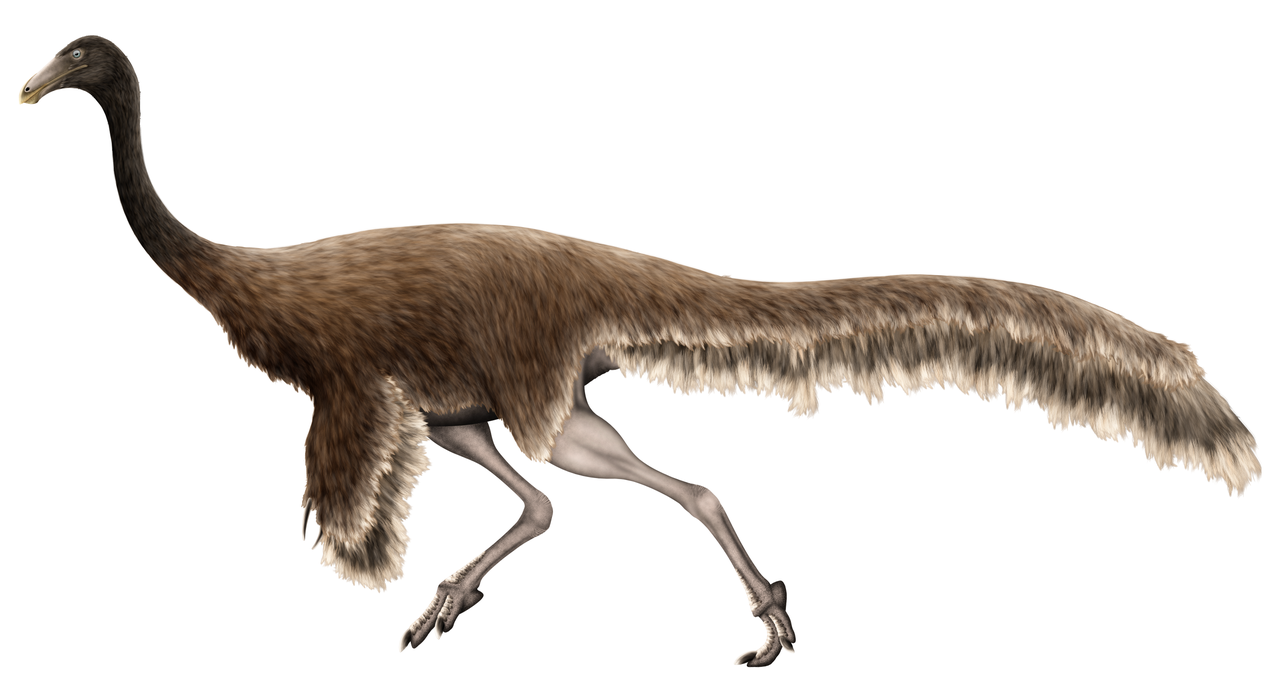

Body plan and adaptations
This genus combined features typical of early theropods: long hind limbs, a stiffened tail for balance, a slender skull with numerous small teeth, short forelimbs with clawed digits, and a gracile build conducive to speed. Measurements of limb bones show that the tibia was noticeably longer than the femur—a difference on the order of about 20% in reported specimens—which is commonly interpreted as an adaptation for running and quick pursuit of small, fast prey. Overall anatomy suggests a cursorial lifestyle and a diet focused on insects (insects) and other small animals.
Fossil record and scientific history
Fossils attributed to Procompsognathus are fragmentary, and discoveries have come from sediments that preserve early dinosaur assemblages. Because the material is incomplete and sometimes mixed with remains of other small reptiles, paleontologists have debated the precise anatomy and classification of some bones. Despite these uncertainties, Procompsognathus remains important as one of the better-known small theropods from the Triassic and as a comparative reference for the early diversification of carnivorous dinosaurs.
Significance and context
Procompsognathus is often mentioned in discussions of the evolutionary transition from early archosaurs toward more specialized theropods. Its combination of small size, cursorial limbs, and teeth adapted for gripping small prey helps illustrate early ecological roles occupied by carnivorous dinos. The genus name, which means "before Compsognathus," reflects its perceived position relative to small later theropods such as Compsognathus.
Key characteristics
- Small body length (around 1 m) and lightweight build
- Bipedal stance with long hind legs and a long, stiff tail
- Short forelimbs with clawed hands and a slender snout bearing small teeth
- Tibia longer than femur, indicating cursorial ability
- Fragmentary fossil record leading to some taxonomic uncertainty
Notable facts: Procompsognathus provides a window onto late Triassic ecosystems and the early stages of theropod evolution, showing how small, fast predators exploited arthropods and tiny vertebrates long before the rise of larger, later dinosaurs.
Questions and answers
Q: How big was Procompsognathus?
A: Procompsognathus may have been about one meter long (3.3 ft).
Q: What did Procompsognathus eat?
A: It probably ate insects and lizards.
Q: When did Procompsognathus live?
A: Procompsognathus lived during the late Triassic period, about 210 million years ago (mya).
Q: What kind of environment did Procompsognathus live in?
A: Procompsognathus lived in a relatively dry, inland environment.
Q: What were some physical characteristics of Procompsognathus?
A: Procompsognathus had long hind legs, short arms, large clawed hands, a long slender snout with many small teeth, and a stiff tail.
Q: Was Procompsognathus bipedal?
A: Yes, Procompsognathus was a biped.
Q: Why were Procompsognathus' hind legs longer than its arms?
A: The tibia is approximately 20% longer than the femur in Procompsognathus, suggesting that they were good runners.
Related articles
Author
AlegsaOnline.com Procompsognathus: a small Late Triassic theropod Leandro Alegsa
URL: https://en.alegsaonline.com/art/79326
Sources
- geol.umd.edu : Winter 2010 Appendix