
Seabirds: biology, behaviour, and significance
Overview of seabirds — birds adapted to life at sea, their adaptations, evolution, feeding, breeding, migrations and conservation concerns.
Overview
Seabirds are a diverse group of birds that spend a large part of their lives on or over the ocean and along coasts. They include species that forage far from land as well as those that remain close to shore. Many have evolved specialized features for a marine existence and a dependence on ocean resources. For general background on the group and their study see marine bird resources, and for information about physiological and behavioral change see adaptation studies and sea ecology overviews.
Image gallery
10 Images




Distinctive characteristics and adaptations
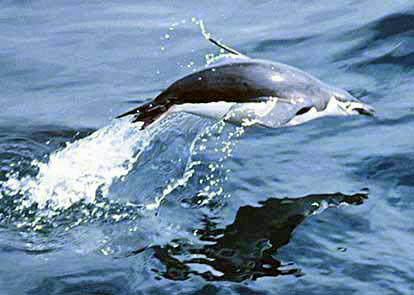
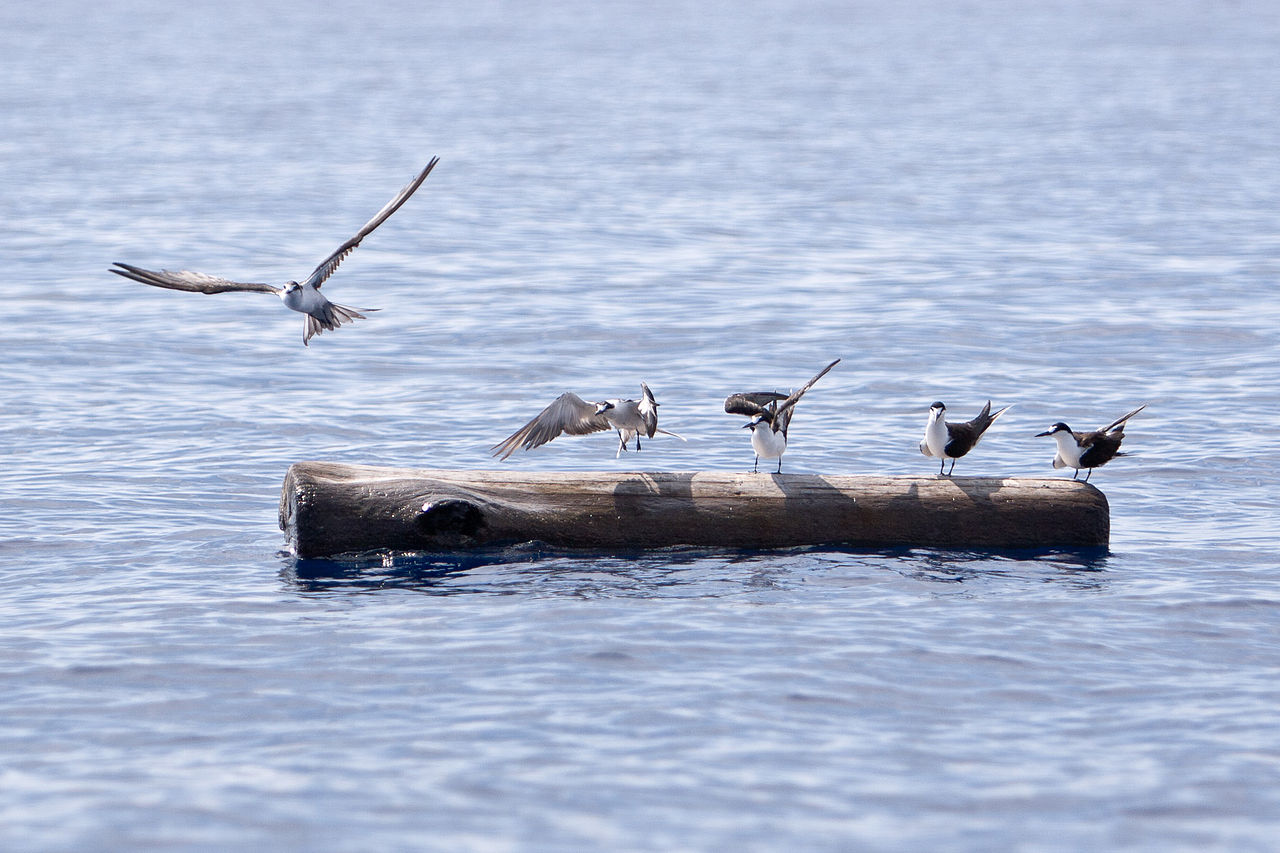
Seabirds share a suite of physical and life-history traits that help them survive at sea. These often include salt-excreting glands to deal with seawater, waterproof plumage, long wings for efficient flight over wide expanses, and strong bills for catching slippery prey. They also display life-history adaptations: many are long-lived, delay breeding until later in life, and produce relatively few young but invest heavily in parental care. For breeding strategies and life-history comparisons see breeding patterns and species life histories.
Evolution and convergent forms
The first lineages that show affinities with seabirds appear in the fossil record during the late Mesozoic. Early marine-adapted birds emerged by the Cretaceous period, while many groups resembling modern seabird families became widespread after the dinosaurs, in the Palaeogene. Similar body plans and habits evolved independently in unrelated lineages — a process known as convergent evolution — because comparable ocean environments favored similar solutions to feeding and movement at sea.
Feeding, diet and ecological role
Seabirds feed at the surface, plunge-dive, or pursue prey underwater; some scavenge or take eggs and chicks of other birds. Their diets typically include fish and shellfish, but many species also consume squid, plankton, carrion, or small marine invertebrates depending on local opportunities. Repeated pressures from similar feeding niches have produced comparable hunting methods and morphologies across different seabird families. In doing so, seabirds transfer energy from marine to terrestrial ecosystems through guano and by carrying nutrients to breeding sites.
Breeding, colonies and migrations
Most seabirds nest in colonies that range from a few dozen pairs to enormous aggregations of thousands or millions on remote islands. Some species come ashore only to breed, while others frequent coastal areas year-round. Colony life reduces some predation risks but also concentrates disease and resource competition; colony sites are often traditional and reused across generations. Many seabirds perform long annual migrations, with some crossing the equator or circumnavigating large ocean basins. The social and migratory behavior of different colonies and species varies widely.
Human interactions, conservation and notable facts
Seabirds are culturally important, economically relevant, and ecologically valuable but face numerous threats from humans. Major pressures include overfishing of prey stocks, plastic pollution, bycatch in fisheries, invasive predators at breeding sites, and habitat loss. Because many seabirds are long-lived and breed slowly they are vulnerable to rapid population declines. Conservation actions include protected breeding areas, invasive species control, fisheries management and pollution reduction. For practical guidance and further reading consult conservation summaries and policy briefs at marine bird resources and targeted reports at conservation databases or regional monitoring programs.
- Typical prey types: fish, shellfish, squid and plankton.
- Common life-history trends: long lifespan, late maturity and low annual offspring numbers (breeding biology).
- Evolutionary notes: early records in the Cretaceous and modern radiations by the Palaeogene with widespread convergent traits.
- Management resources and monitoring: see breeding site guides, colony surveys, island restoration and international migration tracking (equator-crossing studies).
Because seabirds link oceanic and terrestrial systems, they are valuable indicators of marine health. Continued research and coordinated conservation measures are essential to maintain their populations and the broader marine ecosystems they help sustain.
Questions and answers
Q: What are seabirds?
A: Seabirds are birds that have adapted to living at sea or near it.
Q: Where do many seabirds live?
A: Many seabirds live far away from land, at sea.
Q: What do seabirds use the sea for?
A: Seabirds use the sea for food, most often fish or shellfish.
Q: When did the first seabirds evolve?
A: The first seabirds evolved in the Cretaceous period.
Q: What is convergent evolution?
A: Convergent evolution is when similar environmental problems and feeding niches result in similar adaptations.
Q: What adaptations do seabirds share for sea life?
A: Seabirds live longer, breed later, and have fewer young than other birds. They also spend a lot of time with their young and nest in colonies.
Q: Do seabirds spend all year at sea?
A: No, seabirds vary in how much of the year they spend at sea.
Related articles
Author
AlegsaOnline.com Seabirds: biology, behaviour, and significance Leandro Alegsa
URL: https://en.alegsaonline.com/art/88285
Sources
- iucnredlist.org : "Sterna fuscata"