
Principality of Transylvania (1571–1711)
Semi-independent principality in Eastern Europe (1571–1711), ruled by Hungarian princes under Ottoman suzerainty; notable for religious pluralism, autonomous institutions, and later integration into Habsburg rule.
The Principality of Transylvania was a semi-autonomous polity in Eastern Europe that existed in the late 16th and 17th centuries. Formally recognized in the decades after the Ottoman conquest of central Hungary, it functioned as a semi-independent state under fluctuating external influence. Its rulers were predominantly Hungarian nobles who frequently professed Calvinism or other Reformation-era confessions, and who balanced the demands of larger powers while maintaining local institutions and privileges.
Image gallery
6 Images



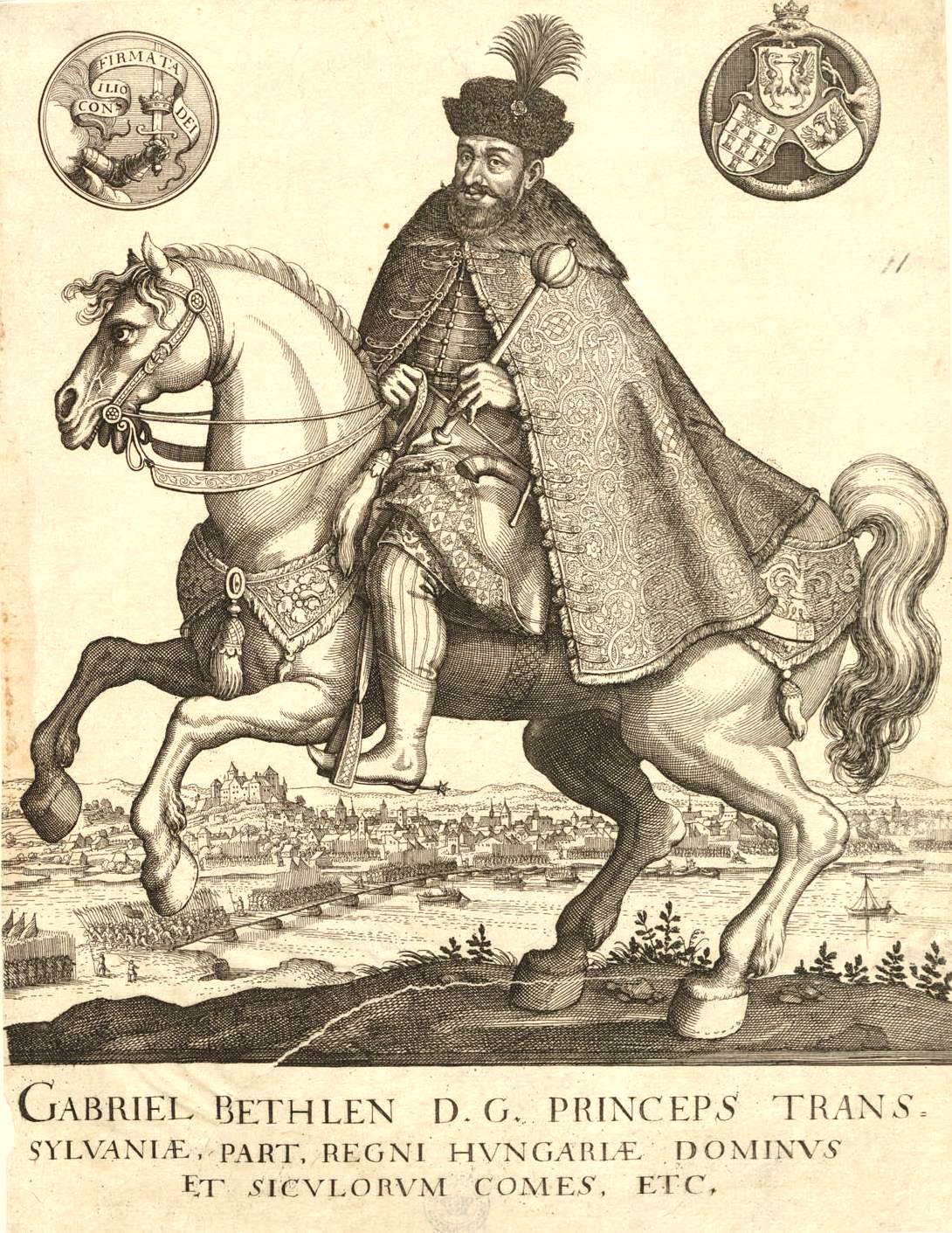
Characteristics and institutions
Transylvania developed a distinct political structure. Power rested with a prince and a regional assembly (the Diet), and society was organized around recognized estates: the Hungarian nobility, the Székelys (a military-administrative group), and the Saxon burghers. A diverse religious landscape included Calvinists, Lutherans, Unitarians and Roman Catholics; the region became known for an early policy of relative religious tolerance compared with many other European territories. For an overview of its constitutional arrangements, see constitutional history.
- Government: princely rule supported by the Diet and local elites (princes and nobility).
- Economy: agriculture, pastoralism, and mineral extraction in upland areas.
- Society: multi-ethnic population including Hungarians, Romanians, Saxons and Székelys.
Historical development
The principality’s rise followed the fragmentation of medieval Kingdom of Hungary after Ottoman advances. From about 1571 until the early 18th century, Transylvanian princes navigated a delicate relationship with the Ottoman Porte while occasionally cooperating with Habsburg powers. The political life of the principality was marked by shifting alliances, internal factionalism, and periodic warfare. Its era as a semi-independent polity is conventionally dated to the late 16th century and ends with the early 18th century transition to Habsburg dominance; key diplomatic and military events are discussed in specialized studies referenced at historical summaries.
Religious and cultural developments were central to Transylvanian identity. The region hosted important centers of Protestant and Unitarian thought and preserved a measure of confessional coexistence unusual for the period. Administrative records, legal codes and urban charters illustrate how local elites preserved autonomy while paying tribute or recognizing suzerainty when necessary — a balancing act described in works linked under political context and diplomatic history.
End of the principality and legacy
By the early 18th century, Habsburg influence had grown decisively, and arrangements after conflict and negotiation brought Transylvania into the Habsburg Monarchy’s administrative orbit. The region continued to exercise distinct legal and social traditions even as it was incorporated into larger imperial structures; further evolution led into the modern period and the changes of the 19th century. For perspectives on integration and later developments see later governance and long-term legacy.
Today the Principality of Transylvania (1571–1711) is studied as an example of early modern political pluralism, religious diversity, and frontier diplomacy — a polity that sustained local autonomy under the pressure of great-power rivalry and left a lasting imprint on regional identities.
Related articles
Author
AlegsaOnline.com Principality of Transylvania (1571–1711) Leandro Alegsa
URL: https://en.alegsaonline.com/art/79229
Sources
- britannica.com : "Transylvania"