
Calvinism: Origins, Beliefs, and Historical Influence
Calvinism is the Reformed branch of Protestant Christianity associated with John Calvin. This article explains its doctrines, history, church life, and influence, and distinguishes it from related movements.
Overview
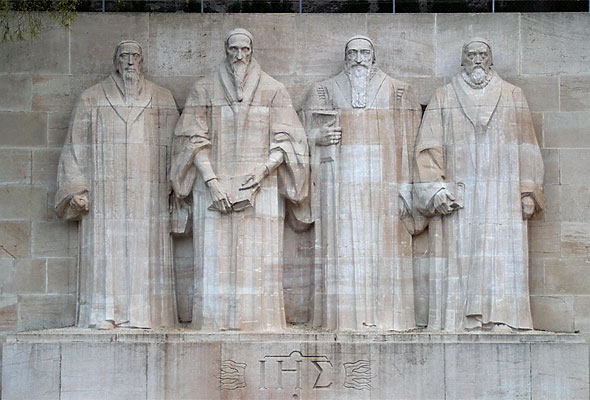
Calvinism is a major branch of Protestant Christianity that belongs to the Reformed tradition. It traces its theological identity to John Calvin and a circle of early reformers and interpreters often summarized as other theologians who shaped doctrine and practice. The name "Calvinism" is commonly used to describe both a set of doctrinal convictions and the congregational and confessional life of churches in that tradition, including many bodies collectively called Reformed churches.
Image gallery
10 Images



Core doctrines and emphases
Calvinist theology emphasizes God's sovereignty in salvation, the authority of Scripture, and the need for personal repentance and faith. Two doctrines that most often identify the system are predestination, the belief that God ordains the final destiny of human beings in mercy or judgment, and total depravity, the teaching that sin affects all parts of a person's nature. Over time these and related points were distilled into concise summaries such as the so-called Five Points, commonly remembered by the acronym TULIP:
- Total depravity — human nature is affected by sin.
- Unconditional election — God chooses people for salvation apart from merit.
- Limited atonement — Christ's saving work is applied effectively to the elect.
- Irresistible grace — God's saving call cannot finally be resisted by those chosen.
- Perseverance of the saints — those truly saved endure in faith.
History and development
The movement developed in the sixteenth century in the context of the Protestant Reformation. Early figures associated with its spread on the Continent include Martin Bucer, Heinrich Bullinger, Peter Martyr Vermigli, and Huldrych Zwingli, often discussed among important Calvinists from Europe and related reformers cited together with Calvin. In England the Reformation produced significant cooperation and tension with local leaders such as those linked to England and figures like Thomas Cranmer and others who shaped liturgy and doctrine. Calvin's writings, above all the Institutes of the Christian Religion, and later confessional documents influenced debates through the seventeenth century and beyond; historians note the role of confessions and synods during the 17th century in defining Reformed identity.
Worship, church order, and pastoral life
Reformed churches generally emphasize simple public worship centered on preaching, the regular reading of Scripture, and the administration of two sacraments: baptism and the Lord's Supper. Church government in Calvinist contexts varies: some adopt a presbyterian polity of elected elders and assemblies, others retain congregational or synodal structures. Pastoral practice values catechesis, discipline, and communal formation rooted in confessional statements and local custom.
Influence and distinctions
Calvinism has had a broad cultural and global impact. It informed the theology of many Protestant national churches, shaped the Puritan movement, and contributed to theological debates with Lutheran and Arminian positions. Its reach expanded through European emigration and mission efforts; today Reformed and Presbyterian bodies are widespread in parts of Europe, North America, Africa, and East Asia. Important historical moments that affected its development include confessional assemblies and writings by leading reformers linked to the tradition, and ongoing scholarly discussion about its social, political, and economic influence.
Further reading and context
For a concise introduction to the tradition and its debates, consult surveys of the Reformed tradition and biographies of John Calvin, as well as studies of other theologians who contributed to its formation. Historical lists and biographies name figures such as European reformers and English reformers connected to Thomas Cranmer. Topics often explored include the meaning of predestination, debates about human nature and total depravity, and the institutional life of Reformed churches. Broader overviews place Calvinism in the context of continental reform movements and later developments across the 17th century and modern era.
Additional primary and secondary sources may be found by following introductory bibliographies and denominational histories; scholars also examine how Calvinist ideas were adapted by leaders like those associated with Huldrych Zwingli and others and how the movement has continued to shape theology and church life.
Questions and answers
Q: What is Calvinism?
A: Calvinism is a tradition of Protestantism that originated with John Calvin and other theologians. It is also known as the doctrines and practices of the Reformed churches, which were led by Calvin in the early days.
Q: Who are some important figures in European Calvinism?
A: Important figures in European Calvinism include Martin Bucer, Heinrich Bullinger, Peter Martyr Vermigli, Huldrych Zwingli, Thomas Cranmer and John Jewel.
Q: What are two key doctrines associated with Calvinism?
A: Two key doctrines associated with Calvinism are predestination and total depravity.
Q: When did the term "Calvinism" become popular?
A: The term "Calvinism" became popular during the 17th century due to John Calvin's influence on confessional and ecclesiastical debates at that time.
Q: Where did many of these reformers come from?
A: Many of these reformers came from England.
Q: Who was an early leader of the Reformed churches?
A: John Calvin was an early leader of the Reformed churches.
Q: How has this system become well-known today?
A: This system has become well-known today for its doctrines of predestination and total depravity.
Related articles
Author
AlegsaOnline.com Calvinism: Origins, Beliefs, and Historical Influence Leandro Alegsa
URL: https://en.alegsaonline.com/art/16219