
Provinces of Japan (historical kuni system)
Historical provincial divisions of Japan from the 7th century to the Meiji reforms; replaced by prefectures in the 1870s. Overview of structure, history, functions, and cultural legacy.
The provinces of Japan (often called kuni or ryōseikoku in older sources) were the principal territorial units used from early medieval times through the start of the modern era. Created and reorganized under centralized legal codes and court practice, these provinces formed the basic geographic vocabulary of Japanese administration, taxation, cartography, and identity for many centuries.
Image gallery
5 Images

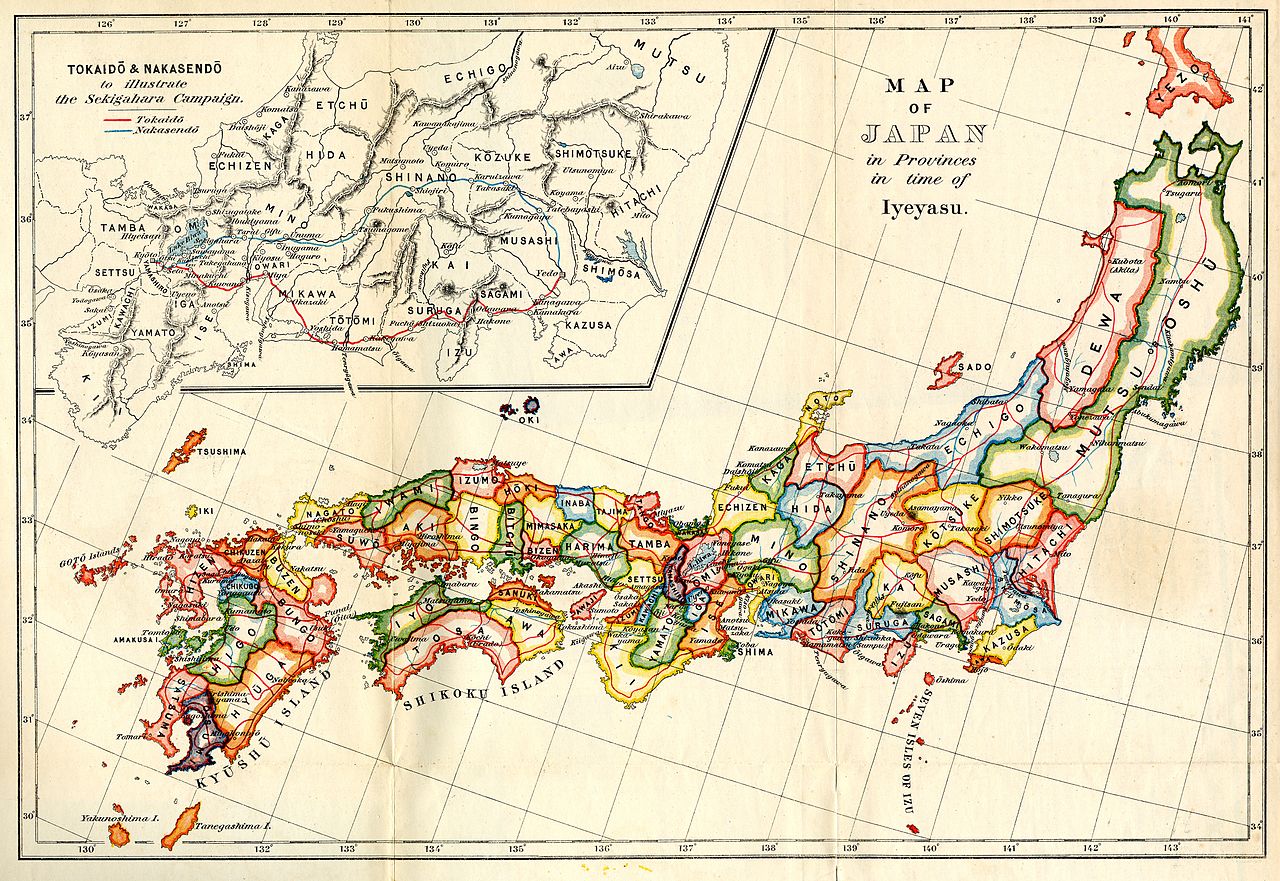


History and development
Provinces emerged during reforms in the 7th and 8th centuries that sought to apply a uniform administrative model across the archipelago. Over the Heian, Kamakura, Muromachi, and Edo periods their boundaries and roles evolved: they continued to be recognized as stable place names even while political power often rested with local warlords, provincial governors, or feudal domains. The nationwide reorganization of the 1870s replaced the provincial framework with the modern system of prefectures (prefectures), though many old provincial names remained useful for cultural and geographic reference.
Structure and administration
- Each province typically contained multiple districts and local townships; provincial seats and official offices once handled tax collection and legal matters.
- Under the ritsuryō model provinces were grouped into broader circuits and regions, an arrangement that influenced communication and road networks.
- By contrast with the later han (domains), which reflected de facto political control by daimyo, provinces were primarily territorial designations used in maps, censuses, and court records.
Examples and regional names
Some historic provincial names remain widely recognized: Yamato (an early political center), Mutsu and Dewa in the north, and Satsuma in the south are often cited in historical accounts. Many modern prefectures trace part of their boundaries or cultural identity to one or more of these older provinces.
Legacy and significance
Although superseded administratively, provincial names persist in shrine designations, place names, traditional arts, and historical studies. They provide a bridge between Japan's premodern administrative geography and the modern map, helping scholars and the public interpret historical documents, land registers, and regional heritage.
For an introduction to the successor system and modern divisions, see the entry on prefectures.
Questions and answers
Q: What were the provinces of Japan?
A: The provinces of Japan were historical subdivisions of the island country.
Q: When did the development of the provinces of Japan begin?
A: The development of the provinces of Japan began in the 7th century.
Q: What period did the provinces of Japan go through a change?
A: The provinces of Japan went through a change during the Meiji Period.
Q: In what decade was the provincial system replaced in Japan?
A: The provincial system was replaced in Japan in the 1870s.
Q: What was the new system that replaced the provincial system in Japan?
A: The new system that replaced the provincial system in Japan was a system of prefectures.
Q: Did the provincial system continue to exist in Japan after the Meiji period?
A: No, the provincial system did not continue to exist in Japan after the Meiji period.
Q: Who oversaw the development and changes of the provinces of Japan?
A: It is not mentioned in the text who oversaw the development and changes of the provinces of Japan.
Related articles
Author
AlegsaOnline.com Provinces of Japan (historical kuni system) Leandro Alegsa
URL: https://en.alegsaonline.com/art/79742
Sources
- books.google.com : "Provinces and prefectures"
- books.google.com : books.google.com/books?id=p2QnPijAEmEC&pg=PA780