
Province of Carolina (1663–1729): a British proprietary colony in North America
British proprietary Province of Carolina (1663–1729), covering lands now in North Carolina, South Carolina, parts of Georgia and Florida; created by royal charter, governed by Lords Proprietors and later split.
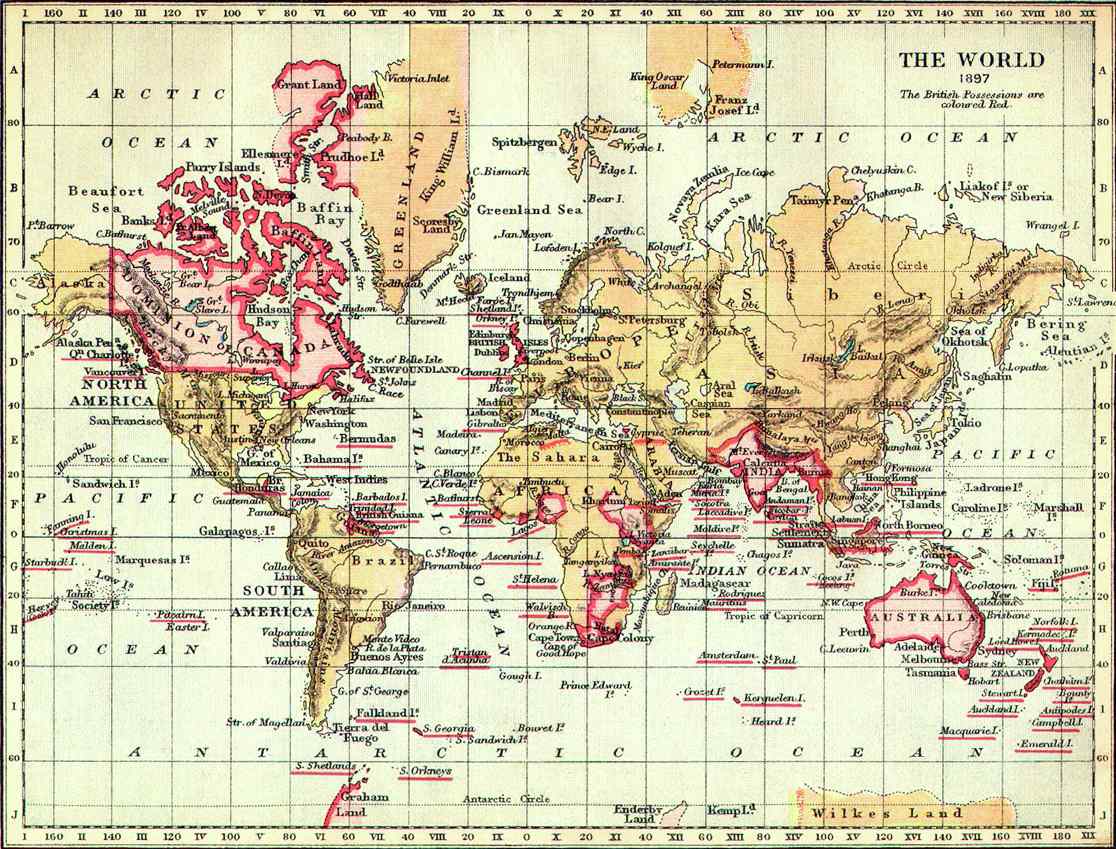
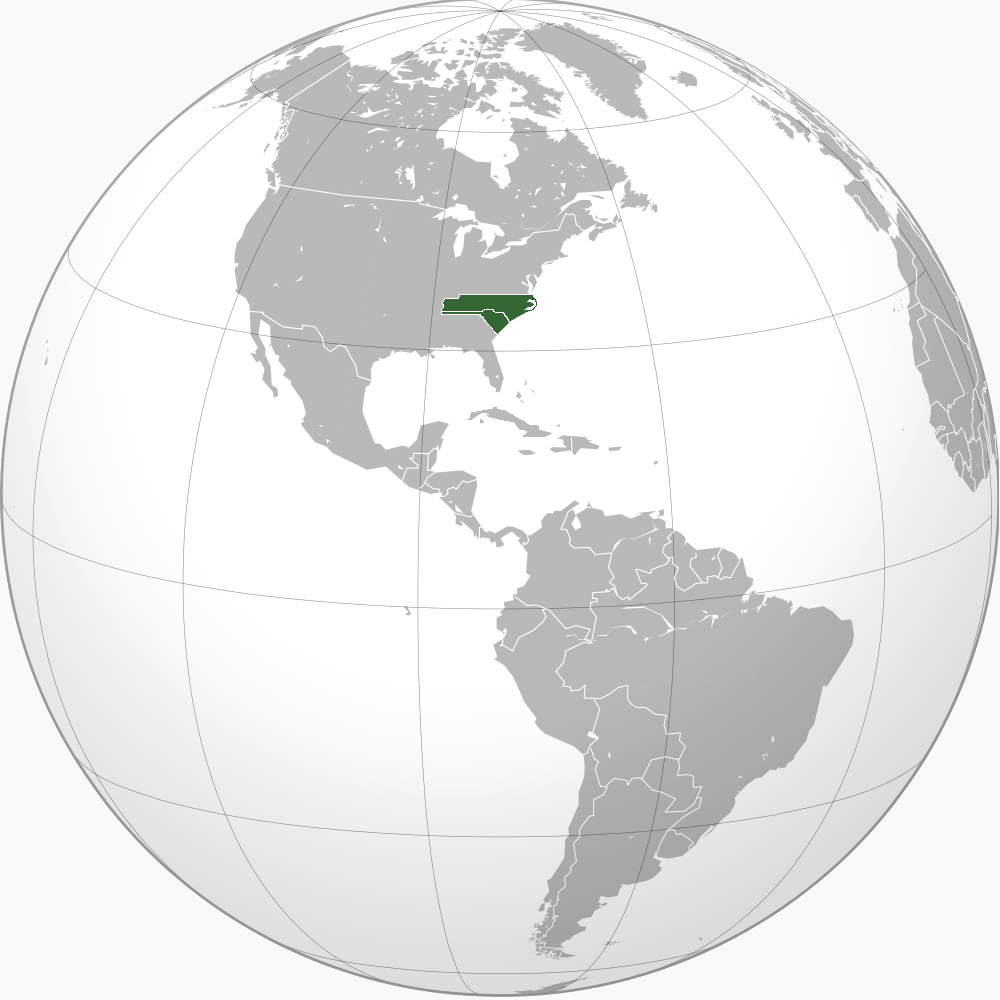
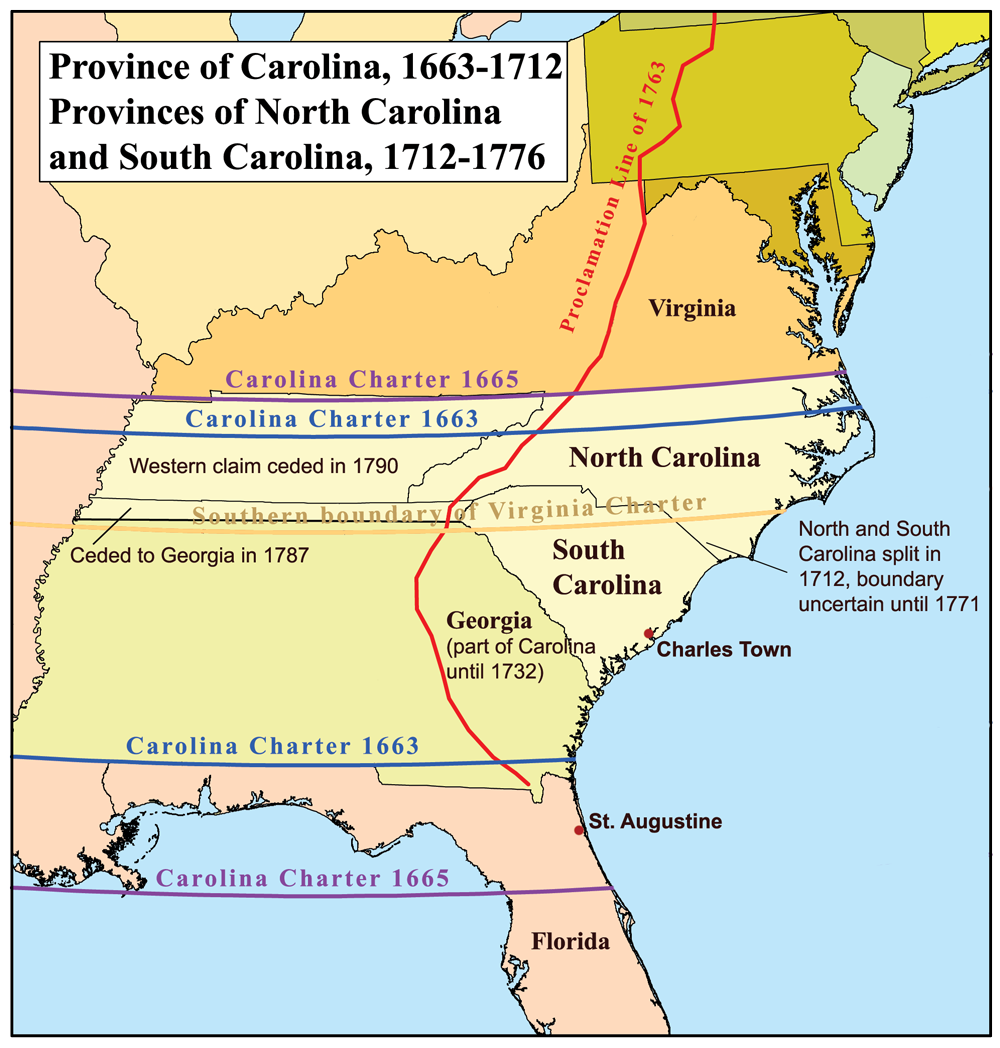
The Province of Carolina was established in 1663 as a British possession and functioned as a proprietary colony in North America until 1729. It derived its name from the Latin Carolus, for King Charles II, and originally encompassed a broad swath of Atlantic coastal and interior territory that today includes North Carolina, South Carolina, parts of Georgia, and areas now identified with Florida. The grant was made to a group of Lords Proprietors who were responsible for settling and administering the province under the terms of the royal charter.
Image gallery
4 Images
Territory, government and settlement
As a proprietary colony the Province of Carolina had a hybrid political structure: proprietors appointed governors and retained certain feudal-style rights, while colonists sought greater self-government. In the 1660s and 1670s political experiments produced the so-called Fundamental Constitutions of Carolina—an elaborate plan associated with Anthony Ashley Cooper and John Locke—which aimed to establish landholding and political frameworks but met with limited success in practice. Disagreements over local governance, settlement patterns, and economic priorities contributed to administrative friction between the northern and southern parts of the province.
Economic patterns and society
Settlement in Carolina varied by region. The northern territory developed largely as a region of small farms and mixed agriculture, while the southern lowcountry took shape around large plantations producing commodity crops. Over time rice and indigo, together with timber and naval stores, became important exports in the south; tobacco and subsistence agriculture were common in the north. Enslaved Africans provided much of the forced labor for plantation agriculture, and immigrant groups such as English colonists, Scots, and Huguenot refugees added to a diverse colonial population.
Division and transition to royal rule
Administrative division between north and south grew more pronounced in the early 18th century. Although both halves remained legally part of the Province of Carolina, they operated increasingly as separate provinces with distinct governors and assemblies. By 1712 the colony had effectively split into northern and southern administrations, and continued political difficulties, proprietary unpopularity, and local demands for more direct royal oversight culminated in the proprietors surrendering their rights to the Crown. In 1729 the territories were converted into royal colonies—officially creating the separate colonies of North Carolina and South Carolina.
Legacy and notable facts
- The name Carolina commemorates King Charles II (Carolus in Latin) and reflects the royal origin of the 1663 grant.
- The Fundamental Constitutions represented an early attempt to prescribe social rank and land tenure in an English colony, but they were never fully implemented.
- The split into North and South Carolina reflected real differences in economy, settlement, and political culture; those differences influenced the later development of the two states.
- Georgia, founded in 1732, and subsequent boundary adjustments changed the shape of the original proprietary grant.
Today the Province of Carolina is remembered as an important early experiment in colonial governance, settlement, and plantation economies on the southeastern seaboard of what became the United States. For additional context about the charter, the proprietors, and regional developments, follow contemporary reference links and archival materials indexed under colonial Carolina.
Related articles
Author
AlegsaOnline.com Province of Carolina (1663–1729): a British proprietary colony in North America Leandro Alegsa
URL: https://en.alegsaonline.com/art/79603