
Provenance: history, meaning, and importance of ownership records
Provenance is the documented history of an object's origin and ownership. It helps authenticate, contextualize, and trace cultural, scientific, and digital items across many fields.
Overview
Provenance denotes the recorded history of an object: where it originated, who created or owned it, and how it has changed hands or location over time. The word derives from the French provenir, "to come from," and originally described the lineage of works of art. Today the concept is applied broadly to items ranging from paintings and archaeological artefacts to documents, fossils and digital data. Provenance consists primarily of evidence—bills of sale, catalogue entries, labels, correspondence, field notes, or metadata—that together form a chain of custody and context.
Image gallery
3 Images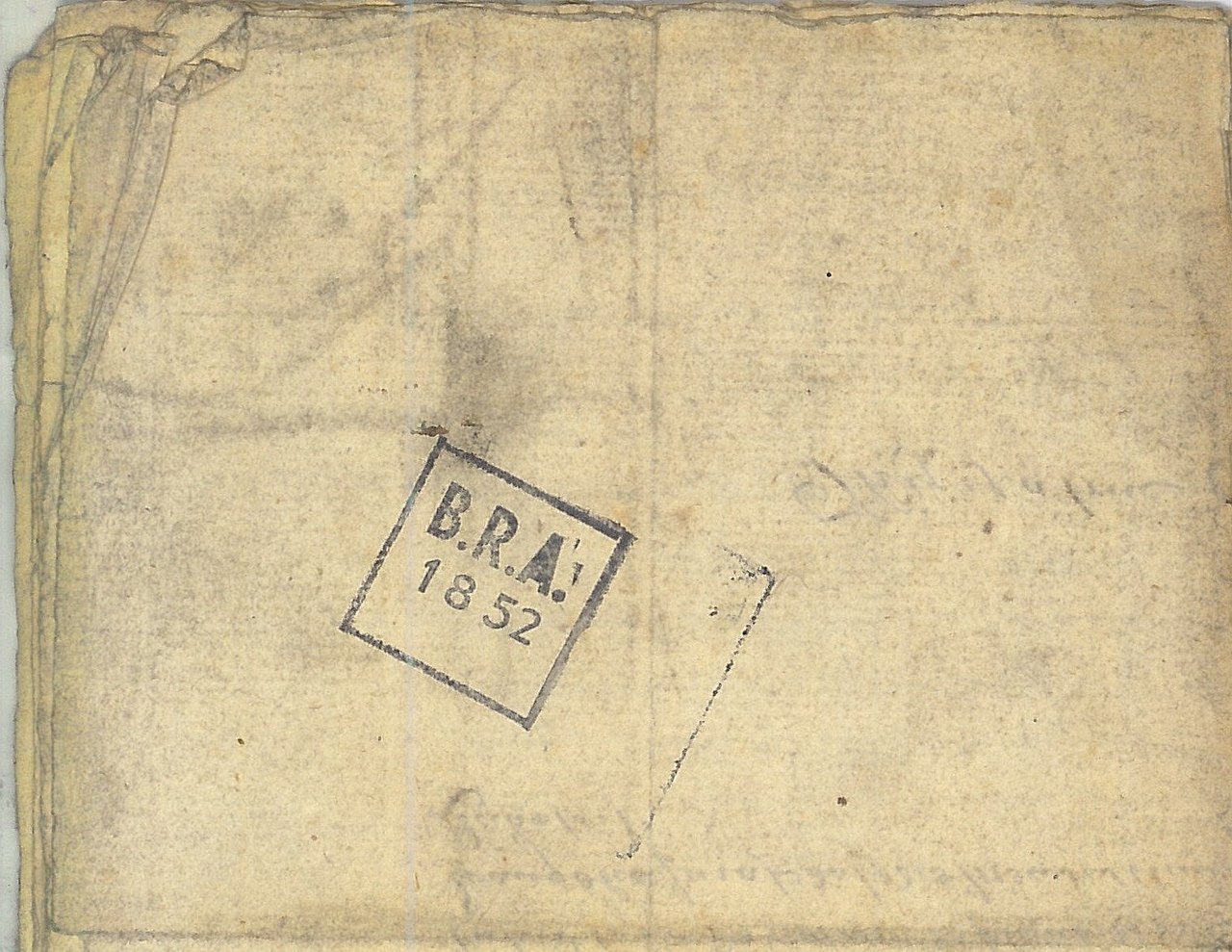


Fields and common elements
Different disciplines adapt provenance to their needs, but several core elements recur in most provenance records:
- Origin or creator: where and when the item was produced.
- Find spot or initial discovery: the place or circumstances of the object's discovery.
- Ownership history: successive owners, dealers, collections and institutions.
- Documentation: invoices, catalogues, archives, labels, photographs and metadata.
- Condition and interventions: restorations, conservation records or modifications.
Provenance practice is central in fields such as works of art, archaeology, paleontology, archives, manuscripts, printed books and science and computing.
History and development
As a formal practice, provenance emerged with art collecting, museums and libraries in the 18th and 19th centuries, when provenance records helped establish attribution and value. Over time, scholarly methods for documenting provenance improved: cataloguing standards, photographic records, and archival research became systematic. In the 20th and 21st centuries, provenance concerns expanded to ethical and legal issues—such as illicit excavation, wartime looting and repatriation of cultural property—and to digital systems that track the origin and transformations of data and software.
Provenance versus provenience
Two related terms are often confused. "Provenience" (commonly used in archaeology) refers specifically to the three-dimensional location where an object was found within an excavation site. "Provenance" covers the broader documented history of the object after its creation and includes its provenience as one part. Thus an artifact can have a precise provenience (its find spot) and a separate provenance (its chain of custody and documentation over time).
Why provenance matters
Accurate provenance enhances authenticity, research value and legal clarity. For museums and collectors, a well-documented provenance can confirm attribution and protect against acquisition of stolen or illegally exported items. For scholars, provenance provides context that informs interpretation—linking an object to a workshop, period, or cultural practice. In science and computing, provenance of data and code supports reproducibility, auditing and trust in research outputs. Good provenance is fundamentally a matter of careful documentation, and it underpins ethical stewardship, scholarship and public confidence in collections and information.
Practical considerations and examples
Provenance may be partial or extensive. Older objects or those discovered outside controlled excavations often have incomplete records, while museum acquisitions may carry rich documentation including invoices, exhibition histories and conservation reports. Modern provenance systems increasingly combine traditional paperwork with digital identifiers and databases, enabling searchable, persistent records that travel with the object or dataset through time and institutions.
For further reading and resources, consult specialist catalogues and institutional guidelines on provenance research and documentation practices.
Questions and answers
Q: What is provenance?
A: Provenance is the history of ownership or position of a historical object.
Q: Where does the word provenance come from?
A: The word provenance comes from the French word provenir, which means “to come from”.
Q: In what fields is the term provenance used?
A: The term provenance is used in a wide range of fields including archaeology, paleontology, archives, manuscripts, printed books, and science and computing.
Q: What is the main reason for tracking the provenance of an object?
A: The main reason for tracking the provenance of an object is to get evidence of its original production or discovery.
Q: Why is provenance important in authenticating an object?
A: Provenance is important in authenticating an object because it provides evidence of what the object is.
Q: What is the difference between provenience and provenance in archaeology?
A: In archaeology, provenience is used to refer to the three-dimensional location or find spot of an artifact or feature within an archaeological site, while provenance covers an object's complete documented history.
Q: Can an object have both a provenience and a provenance?
A: Yes, an object may have both a provenience (where it was found) and a provenance (where it has been since it was found).
Related articles
Author
AlegsaOnline.com Provenance: history, meaning, and importance of ownership records Leandro Alegsa
URL: https://en.alegsaonline.com/art/79557
Sources
- nps.gov : "Southeast Archeological Center"