
Pretzel: history, varieties, baking and cultural importance
A baked wheat snack, twisted into a characteristic knot and traditionally lye-treated for flavor and brown crust. Central European origins; includes soft Bavarian pretzels, hard twists and sweet variants.
A pretzel is a baked wheat snack traditionally formed into a distinctive twisted loop. It appears across Central Europe under a variety of local names: in French regions it is called Bretzel, in Alsace bradchdal and in German-speaking areas Breze or Brezel. The item is widely recognized as a baked snack that became associated with German and neighboring culinary traditions and is often said to have originated in Germany.
Image gallery
10 Images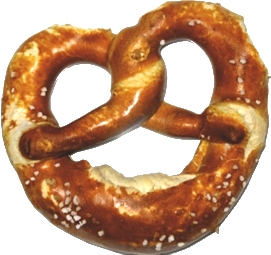


Typical ingredients and preparation
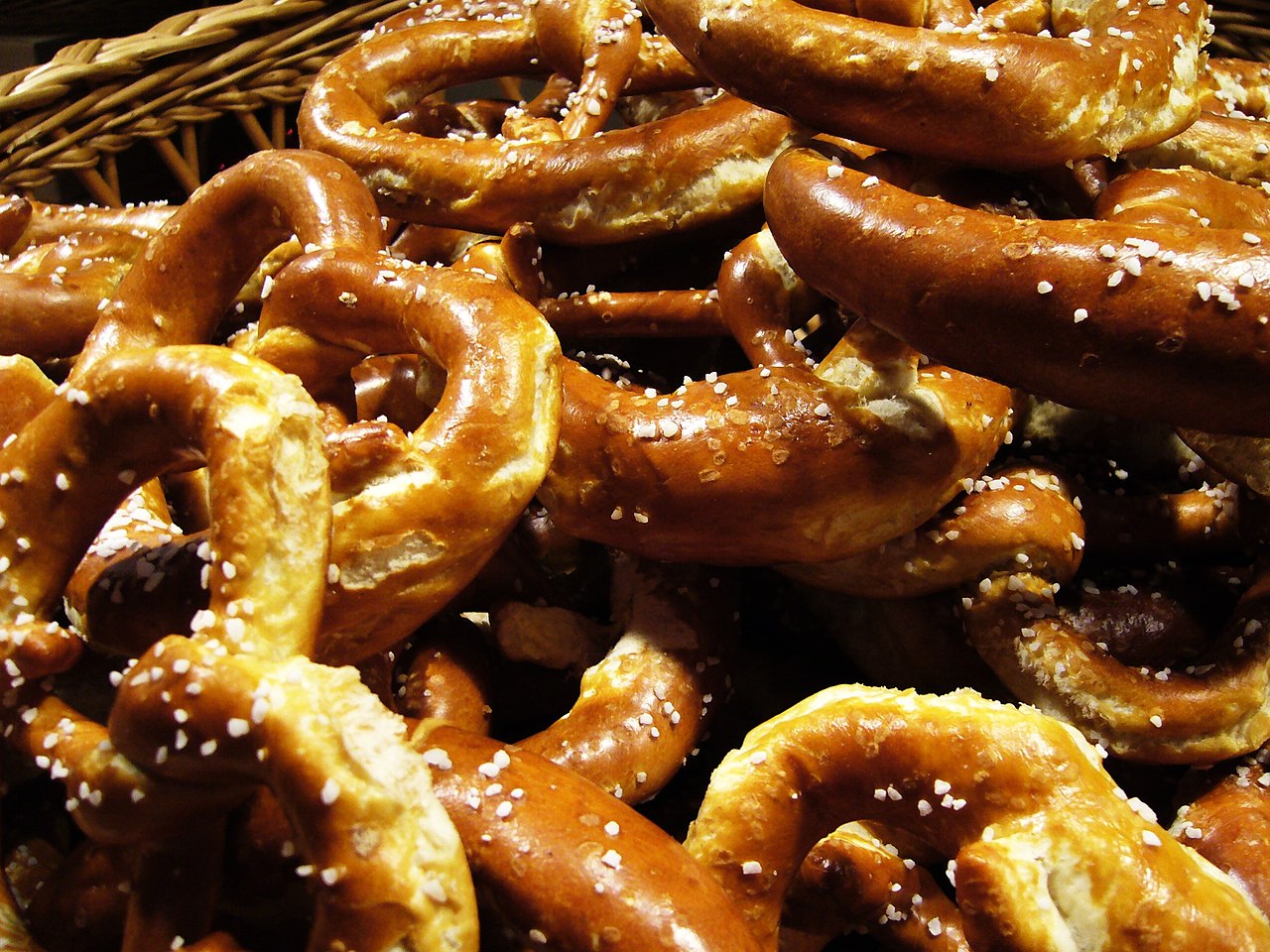
Basic pretzel dough is simple: wheat flour, water, yeast, a little fat and salt. The dough is shaped while leavened, then briefly dipped before baking into an alkaline solution — traditionally a lye bath — to generate the brown, glossy crust and characteristic flavor. The alkaline treatment is described in chemistry terms as sodium lye or more specifically as a solution of sodium hydroxide or sometimes sodium carbonate. During baking a Maillard reaction contributes to the deep color and roasted notes; this chemical browning is commonly called the Maillard reaction. Coarse salt is typically sprinkled on top before baking, though sweet or seeded variations omit the salt.
History and cultural role
Pretzels have medieval roots in Europe and are often linked to monastic baking and Lenten traditions; symbolic explanations say the loop recalls folded arms in prayer. Over centuries the pretzel became embedded in regional customs: in Bavaria it is a staple of the traditional Weißwurst breakfast, a common accompaniment at beer gardens and festivals, and a street food icon at events such as Oktoberfest. Regional bakers developed distinct sizes and crusts, from large, soft Bavarian pretzels to small, crunchy varieties.
Varieties, uses and examples
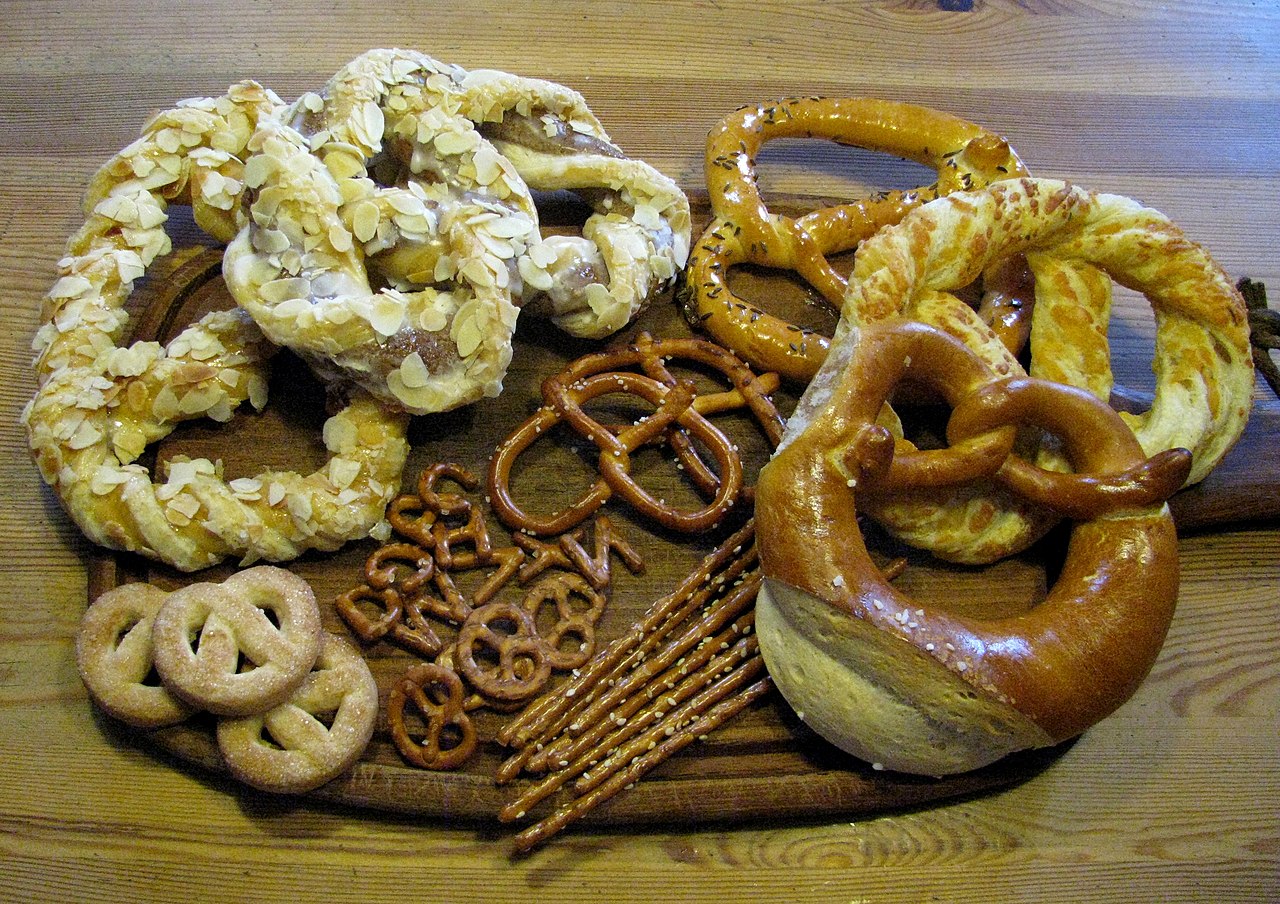
Pretzels appear in two broad forms: soft and hard. Soft pretzels are sold fresh, warm and pliable; hard pretzels are dried and packaged for long storage as crunchy snacks. Variants include pretzel sticks and rods, knot-shaped loaves, seeded or cheesy pretzels, and sweet types such as chocolate-coated or cinnamon-sugar versions. Pretzels are served as snacks, street food, accompaniments to sausages and beer, or used in desserts and snack mixes.
Health, allergens and baking notes
Because most pretzels are made from wheat flour, they are unsuitable for people with wheat allergy, gluten intolerance or coeliac disease. Commercial and home bakers who substitute alkaline dips sometimes use a baking-soda solution as a milder and safer alternative to industrial lye, though true lye gives the most pronounced crust. When using concentrated alkalis like sodium hydroxide, bakers must follow safety precautions to avoid chemical burns.
Distinctive facts and regional terminology
- Shape: the classic knot or looped cross is the most recognizable form; some regions produce simpler twists or sticks (knot-like references the shape).
- Grain: traditional recipes call for wheat flour; gluten-free versions use alternative flours but differ in texture.
- Chemistry: the lye dip may be called sodium lye or explained via Maillard reaction effects; the terms sodium hydroxide and sodium carbonate describe common alkaline choices.
- Language: alternate historical and regional names vary across borders and dialects, reflecting the pretzel's spread through Germany, Alsace and neighboring areas.
Today the pretzel remains both a daily bakery item and a cultural emblem: a simple mix of flour and water transformed by shaping, chemistry and heat into a food with deep regional meaning and wide international popularity.
Related articles
Author
AlegsaOnline.com Pretzel: history, varieties, baking and cultural importance Leandro Alegsa
URL: https://en.alegsaonline.com/art/78975