
Produce: Fruits and Vegetables — Definition, Uses, Storage, and Shopping
Overview of produce (fruits and vegetables), including definitions, examples, history, culinary and nutritional importance, shopping tips, storage, and safety considerations.
Overview
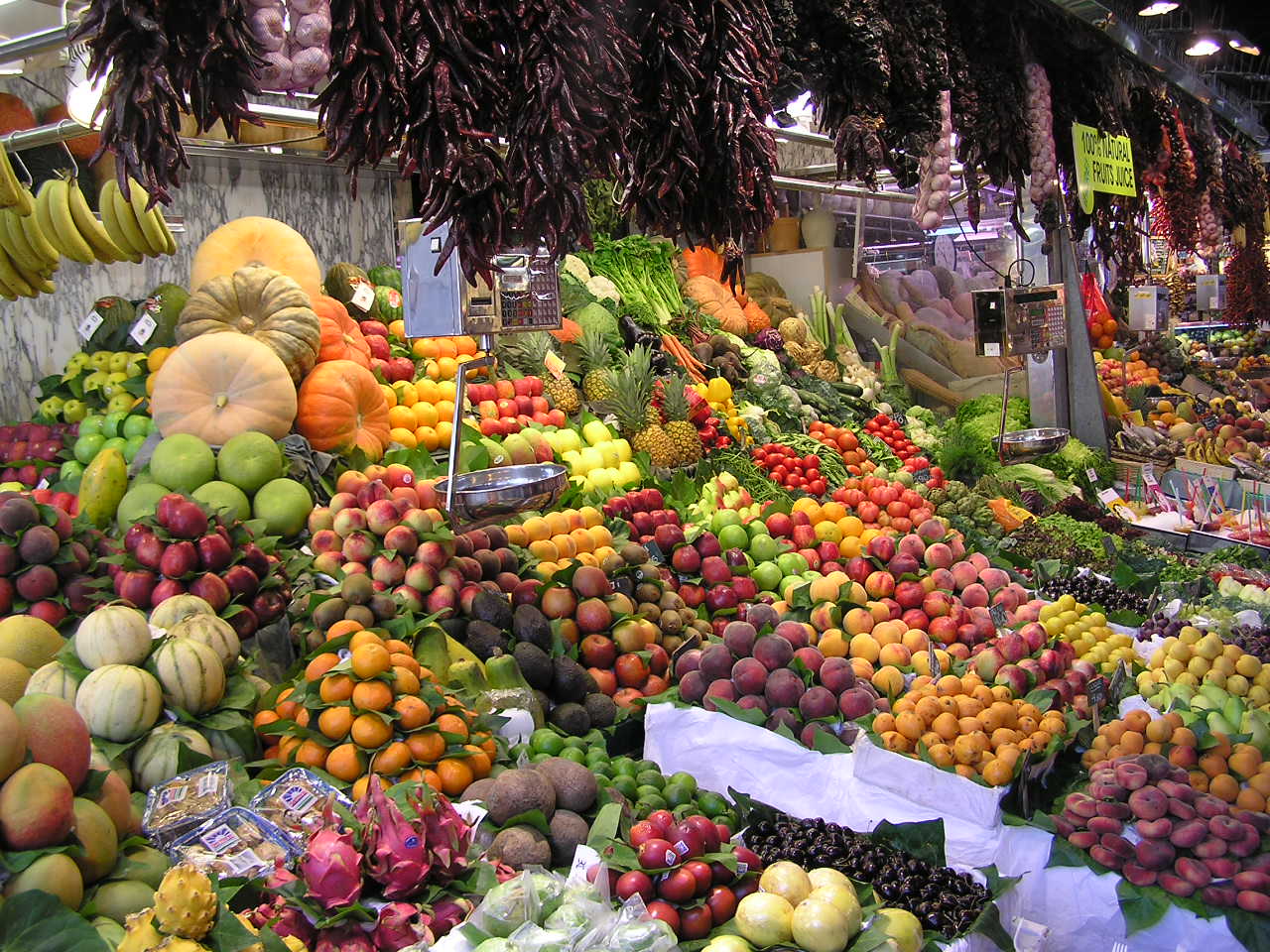
In everyday language, "produce" refers to fresh plant foods sold for eating, most commonly fruits and vegetables. In retail settings the area of a grocery store devoted to these items is usually called the produce section. Produce can be consumed raw or cooked and is a key source of vitamins, minerals, fiber and phytochemicals.
Image gallery
8 Images



Characteristics and examples
The term covers a wide range of plant parts: fruits (botanical and culinary), leafy greens, roots, tubers, stems, bulbs and legumes when sold fresh. Culinary and botanical definitions sometimes differ—for example, tomatoes are botanically fruits but often treated as vegetables in cooking. Common examples include:
- Fruits: apples, berries, citrus, bananas, stone fruits
- Vegetables: lettuce, carrots, potatoes, onions, broccoli
History and distribution
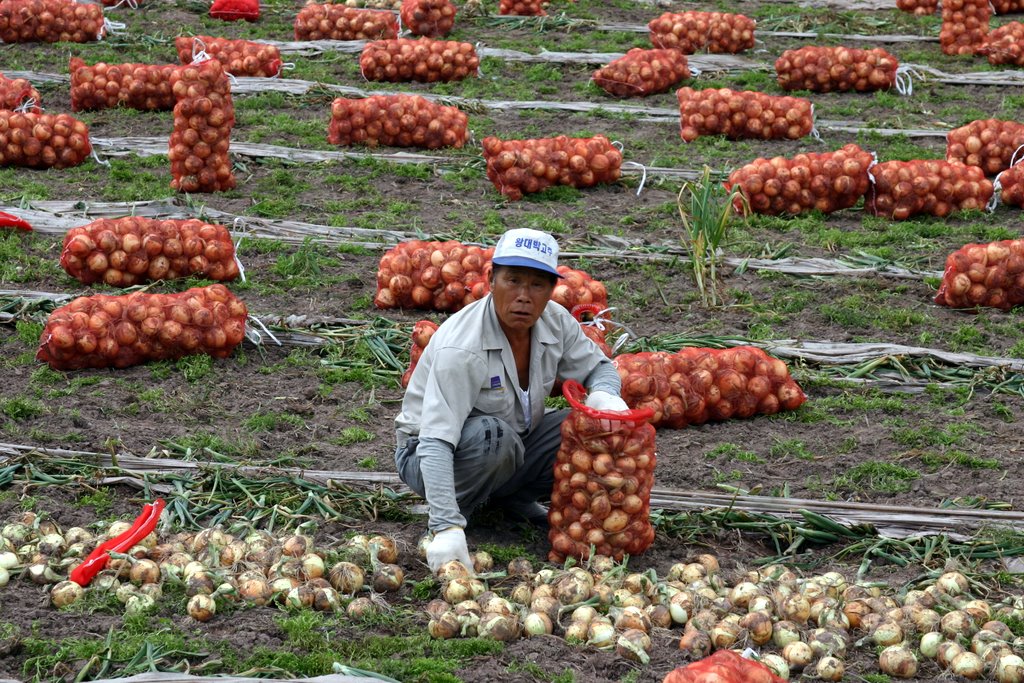
Humans have cultivated fruits and vegetables for millennia, selecting varieties for flavor, storage and yield. Local climate and culture shape which crops dominate a region; modern supply chains allow many items to be available year-round, though seasonality still affects price and quality. Farmers' markets, community-supported agriculture and supermarkets are typical distribution channels.
Uses and importance
Produce plays roles in nutrition, cuisine and economy. It supplies essential nutrients and is linked to reduced risk of several chronic diseases when included as part of a balanced diet. Cooks use produce for salads, sides, main dishes, preserves and beverages. The fresh produce industry also supports farming, packing, transport and retail jobs.
Shopping, storage and safety
When buying, look for firmness, color and absence of decay. Produce scales at stores are used to weigh loose items priced by weight. Storage varies by item—some keep best refrigerated, others at room temperature. Washing before use reduces surface dirt and some microbes; however, proper cooking or handling is needed to manage food-safety risks. Choices such as organic versus conventional involve trade-offs in cost, environmental impact and residue levels; consumers weigh these based on preference and available information.
Related articles
Author
AlegsaOnline.com Produce: Fruits and Vegetables — Definition, Uses, Storage, and Shopping Leandro Alegsa
URL: https://en.alegsaonline.com/art/79333