
Group 12 elements (zinc, cadmium, mercury, copernicium)
Overview of Group 12 of the periodic table: members, electronic structure, physical and chemical properties, uses, occurrence, environmental and health considerations, and historic notes.
The Group 12 column of the periodic table comprises four principal members: zinc, cadmium, mercury and the synthetic element copernicium. In chemical classification this column is identified as a group and forms part of the broader arrangement of the periodic table of chemical elements. The first three members are stable enough to be encountered in industry and nature; copernicium is highly radioactive and exists only in laboratory-produced amounts, so its properties remain uncertain and are inferred from theory and brief experiments.
Image gallery
7 Images



Characteristics and electronic structure
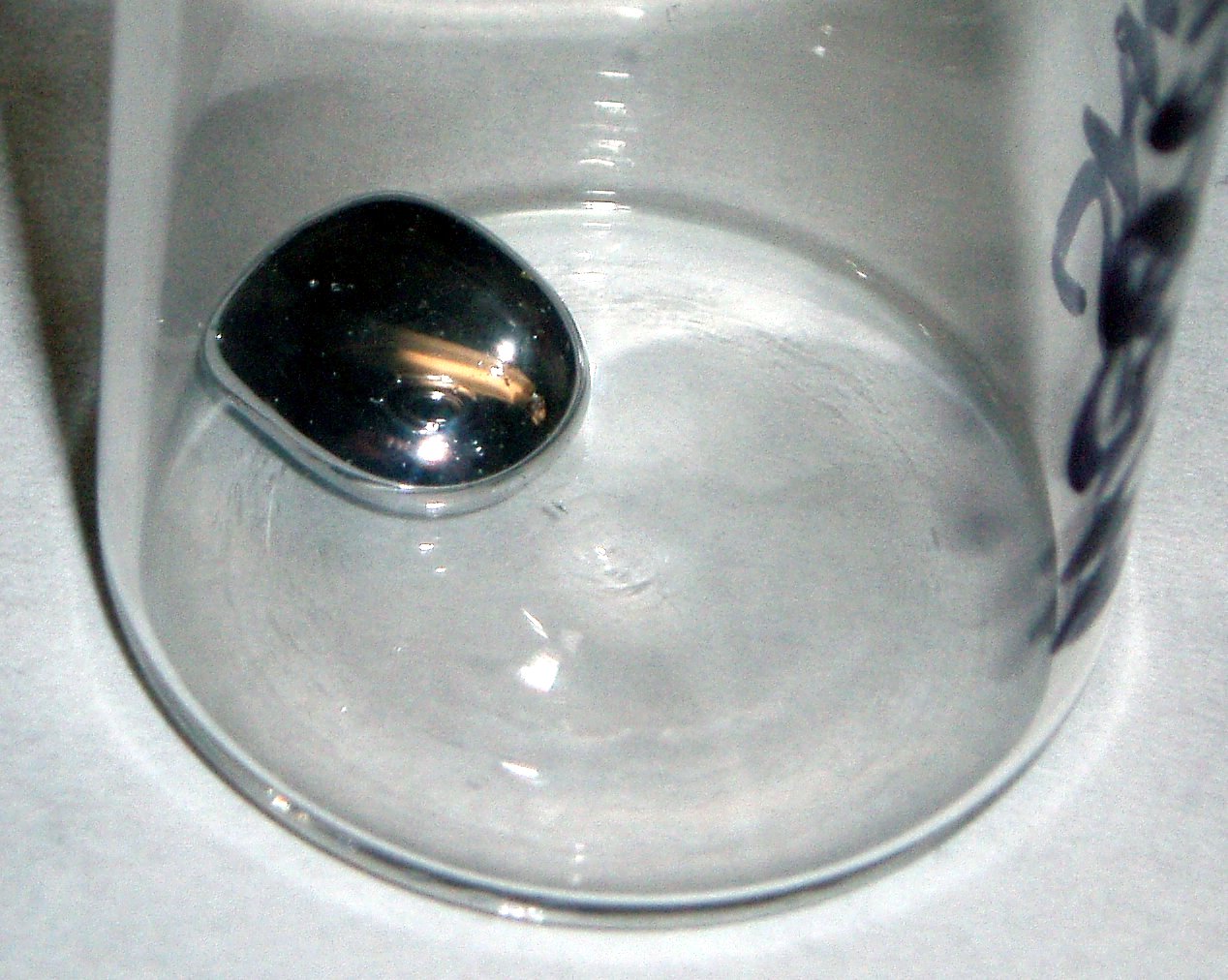
Group 12 elements share a filled d-subshell in their common oxidation states (d10 configuration), which influences many of their chemical behaviors. They exhibit relatively low melting and boiling points compared with many transition metals; notably, mercury is a liquid at room temperature. Among the stable members, zinc is generally the least electronegative and the most chemically reactive in ordinary conditions, whereas mercury is the least reactive in metallic form but forms distinctive compounds such as mercuric chloride. The filled d-shell gives rise to limited variable oxidation states—+2 is by far the most common oxidation state for zinc, cadmium and mercury.

Physical and chemical properties
Typical features of Group 12 metals include metallic bonding with significant s-orbital character, malleability (except mercury), and a tendency to form colorless ionic compounds in their +2 oxidation state. They do not usually exhibit the wide range of oxidation states seen in many neighboring transition metals. Cadmium and mercury form complex coordination compounds and organometallic derivatives, while zinc is a common structural and alloying metal.

Uses and economic importance
- Zinc is widely used for galvanizing iron, producing brass, and as an essential micronutrient in biology.
- Cadmium is employed in batteries, pigments and as a stabilizer in certain plastics, though its use is restricted because of toxicity.
- Mercury has historical uses in thermometers, electrical switches and mining; many applications have declined due to health and environmental concerns.

Occurrence, health and historical notes
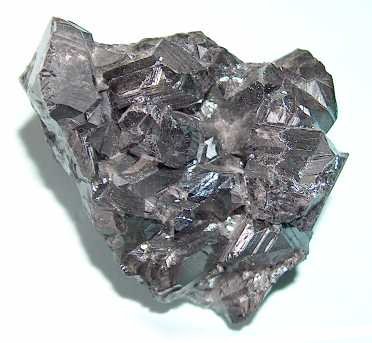
These metals occur in various ores: zinc commonly as sphalerite, cadmium often associated with zinc ores, and mercury in cinnabar. Occupational and environmental exposure to cadmium and mercury can cause serious health effects; regulations limit emissions and use. Copernicium was first synthesized in the late 20th or early 21st century and is named for the astronomer Nicolaus Copernicus; because its isotopes decay rapidly, practical applications are none and experimental data are sparse.
Although Group 12 sits adjacent to classical transition metals on the periodic table, its filled d-shell and characteristic chemistry make it distinct in many respects. For more detailed information on specific elements or compounds, consult specialized references or databases: electronegativity and bonding guides and authoritative chemical safety sources linked to industrial use and environmental policy.
Related articles
Author
AlegsaOnline.com Group 12 elements (zinc, cadmium, mercury, copernicium) Leandro Alegsa
URL: https://en.alegsaonline.com/art/41045