
Metalloid (Semimetal): Elements with Intermediate Properties
A metalloid is an element with physical and chemical traits between metals and nonmetals. Metalloids often show semiconductor behavior and include silicon, boron, germanium, arsenic and related elements.
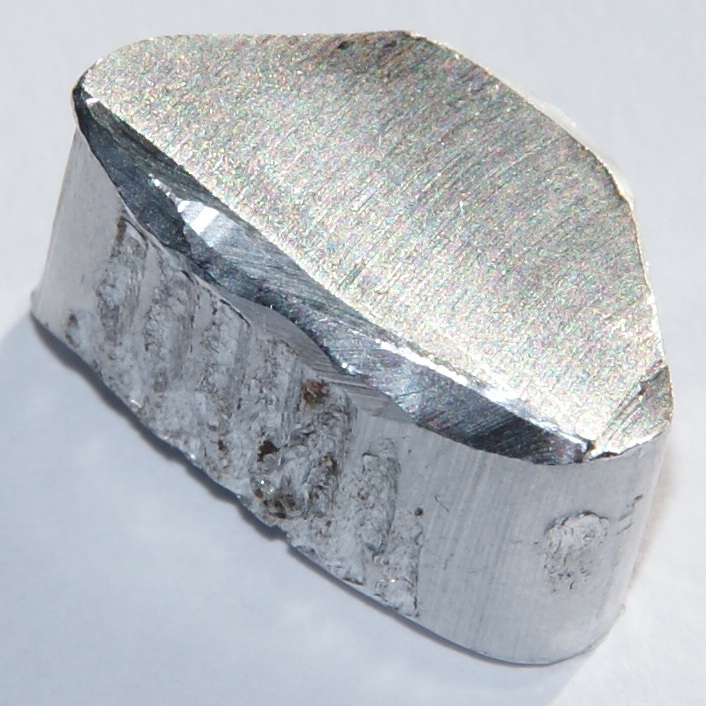
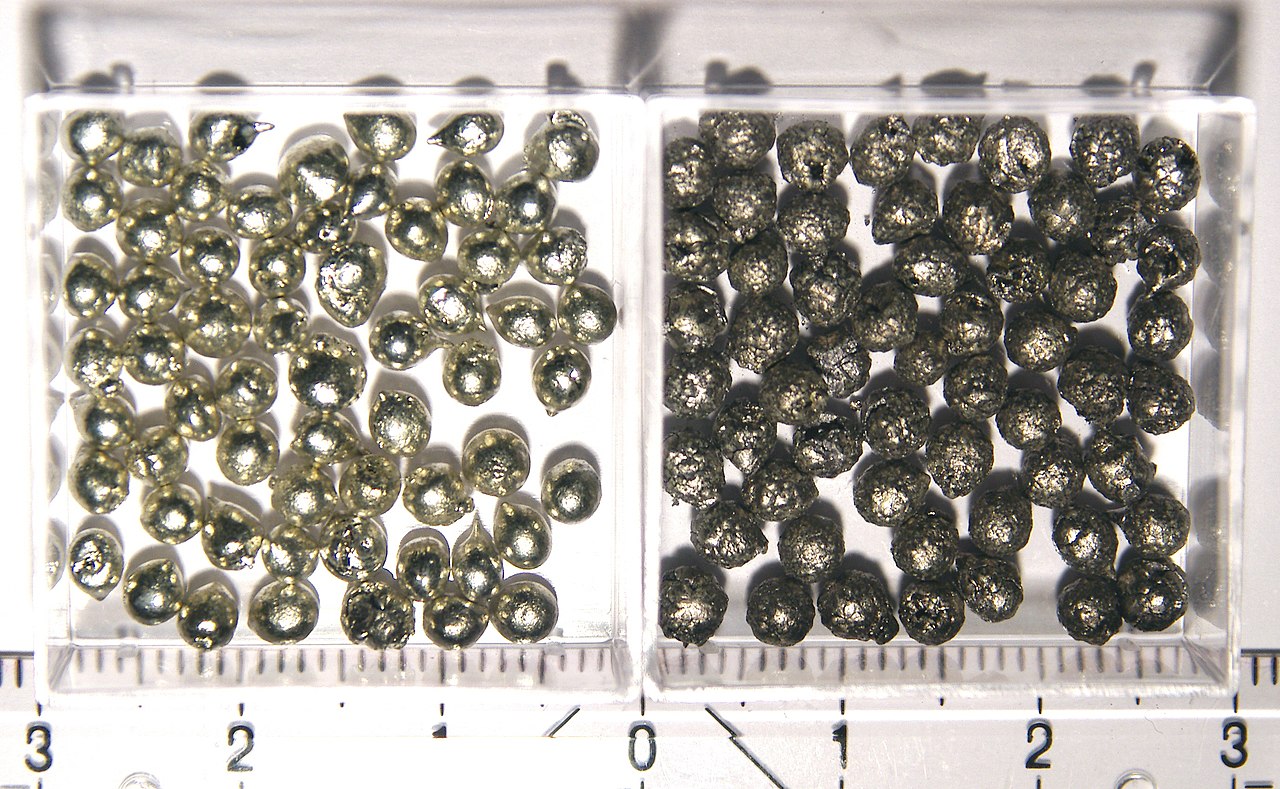
A metalloid, often called a semimetal, is a type of chemical element whose properties lie between those of typical metals and nonmetals. Metalloids may display a metallic luster yet be brittle, or they can be dull but conduct electricity better than most nonmetals. Because they occupy an intermediate region of behaviour, metalloids are important both for classifying elements and for practical applications such as electronics.
Image gallery
10 Images




Characteristics
Metalloids share a mix of physical and chemical traits rather than a single defining feature. Common characteristics include:
- Intermediate electrical conductivity: many metalloids are semiconductors, with conductivities between metals and insulators.
- Variable appearance: they can be lustrous like metals or nonlustrous like some nonmetals.
- Chemical ambivalence: metalloids may form alloys with metals but also form covalent compounds typical of nonmetals.
- Amphoteric oxides in some cases: certain metalloid oxides can react both as acids and bases.
Placement in the Periodic Table and Classification
On many periodic tables metalloids are found along a diagonal "staircase" that separates metals on the left from nonmetals on the right. This region typically starts near boron at the top left of the staircase and extends toward elements such as polonium and astatine at the lower right. Exact lists of metalloids vary among sources: common sets include boron, silicon, germanium, arsenic, antimony and tellurium, while heavier elements are sometimes treated differently because of their radioactive or metallic character. The label "metalloid" and the related term "semimetal" are used with overlapping but not identical meanings in chemistry and condensed-matter physics.
Uses and Examples
Metalloids are central to several technologies and materials:
- Silicon: silicon is the most widely used metalloid, essential for semiconductors and integrated circuits because of its controlled conductivity and ability to be doped.
- Germanium: used historically in early transistors and still applied in some infrared optics and semiconductor devices.
- Boron: additives such as boron compounds improve glass and ceramics and serve as dopants in electronics.
- Arsenic, antimony, tellurium: used in alloys, flame retardants, thermoelectric materials and specialized compounds; several of these elements are toxic and handled with care.
History and Naming
The notion of a distinct group between metals and nonmetals developed during the 19th century as chemists noticed elements that did not fit neatly into existing categories. The term "metalloid" has been applied in varying senses—sometimes to emphasize physical resemblance to metals, sometimes to emphasize intermediate chemical behavior. In modern chemistry the term is pragmatic: it groups elements that exhibit mixtures of metallic and nonmetallic properties useful for teaching and for understanding chemical trends.
Distinctions and Notable Facts
Not every source agrees on which elements are metalloids. Some elements near the staircase are borderline or context-dependent: for example, aluminium is usually classified as a metal despite showing some metalloid-like chemistry in certain compounds. In solid-state physics the word "semimetal" can have a stricter electronic meaning that applies to materials whose conduction and valence bands slightly overlap; this technical sense does not exactly match the broader chemical use of "metalloid." Finally, several metalloids or near-metalloids are toxic or radioactive, so their handling and uses are governed by safety and regulatory controls.
For concise introductions and further reading about specific elements, their electronic behavior and industrial roles, see general chemistry resources and materials-science references (semiconductor introductions are particularly relevant).
Questions and answers
Q: What is a metalloid?
A: A metalloid is a chemical element that has properties of both metal and non-metal elements.
Q: What is the most common semimetal?
A: The most common semimetal is silicon.
Q: How can you classify metalloids?
A: An approximate way to classify metalloids is to look at the Periodic Table of elements, where there will be a double diagonal line with Boron and Aluminium on the top left and Polonium and Astatine on the bottom right, which are the metalloids.
Q: Does silicon have electrical conductivity?
A: Yes, silicon has electrical conductivity between metals and nonmetals. It is a semiconductor.
Q: Are all semimetals also metalloids?
A: No, some semimetals are not metalloids, and some metalloids are not semimetals.
Related articles
Author
AlegsaOnline.com Metalloid (Semimetal): Elements with Intermediate Properties Leandro Alegsa
URL: https://en.alegsaonline.com/art/64163