
Potassium chlorate (KClO3): properties, uses, and safety
Potassium chlorate (KClO3) is a white crystalline oxidizer used in pyrotechnics, matches, laboratory oxygen production and analytical chemistry. It is a hazardous oxidant that decomposes to KCl and O2.
Overview
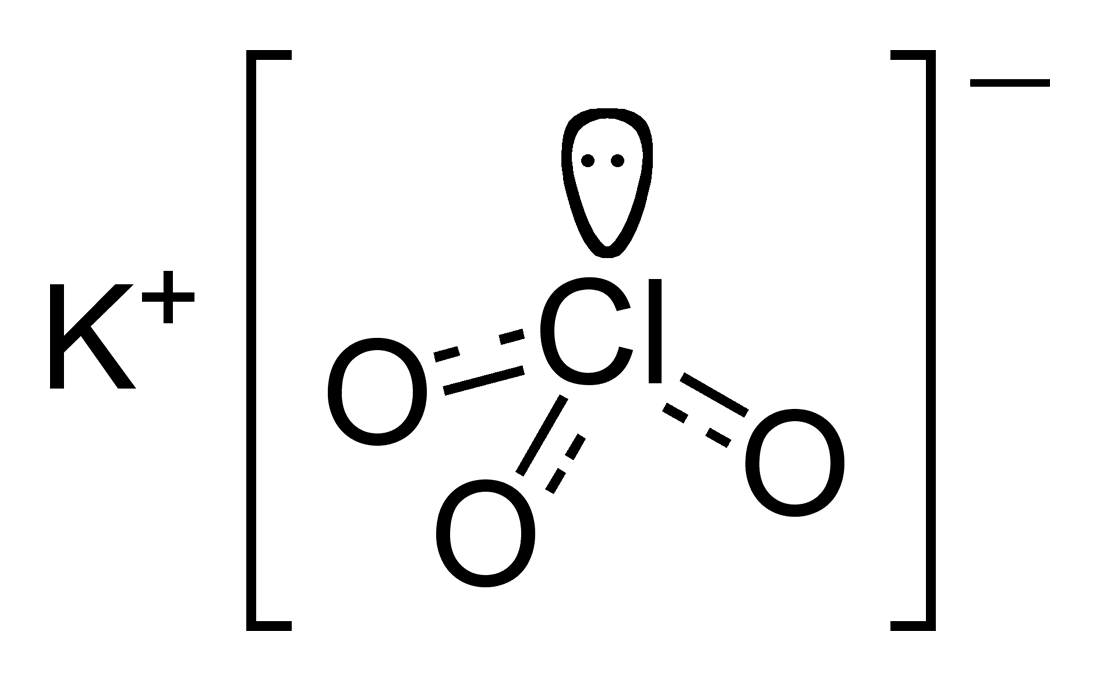
Potassium chlorate is an inorganic compound with formula KClO3. It is an ionic solid composed of potassium cations and chlorate anions: the potassium component is represented by the K+ ion and the oxidizing part by the chlorate (ClO3-) ion. In pure form it appears as colorless or white crystals and is widely recognized as a strong chemical oxidizer.
Image gallery
3 Images

Physical and chemical properties
Potassium chlorate is soluble in water and its solubility increases with temperature. When heated or subjected to reducing agents it decomposes to potassium chloride (KCl) and oxygen, a property that underlies many of its practical uses. It is incompatible with organic materials, finely divided metals, sulfur and many common laboratory reagents because contact can trigger vigorous combustion or explosion.
Preparation and historical notes
Industrial and laboratory preparations typically involve oxidation processes or neutralization routes that yield the chlorate ion in potassium salt form. The compound has been known and used since early studies of chlorine-derived oxyanions; over time its applications evolved as safer oxidizers and formulations became available.
Common uses and examples
- Pyrotechnics and match heads: historically used as the oxidizer in some match and firework compositions.
- Laboratory oxygen source: thermal decomposition releases oxygen for small-scale demonstrations and experiments.
- Analytical chemistry: employed as a strong oxidizing reagent in certain qualitative and quantitative tests.
- Specialized applications: occasional uses in industry or older formulations where a powerful oxidizer was required.
Safety, handling and environmental aspects
Because it supplies oxygen readily, potassium chlorate is a fire and explosion hazard when mixed with combustibles, reducing agents, or organic matter. Safe handling requires storage in a cool, dry place away from incompatible substances, use of protective equipment, and adherence to local regulations. For detailed safety guidance consult material safety resources via safety data and supplier instructions.
Related compounds and distinctions
Chlorates are one member of a family of chlorine oxyanions that also includes chlorite, hypochlorite and perchlorate; these differ in oxidation state and chemical behavior. For background on the component ions see resources about the potassium ion and the chlorate ion. Regulatory and practical preferences often favor alternative oxidizers today, but potassium chlorate remains important historically and in specific technical contexts.
Related articles
Author
AlegsaOnline.com Potassium chlorate (KClO3): properties, uses, and safety Leandro Alegsa
URL: https://en.alegsaonline.com/art/78412