
Polyamide (polymers built from amide linkages)
Polyamides are polymers whose repeating units contain amide bonds. They occur naturally as proteins and are made synthetically as fibers and engineering plastics such as nylon and aramid fibers.
Overview
Polyamides are a class of macromolecules in which repeating units are connected by amide functional groups. In broad terms a polymer becomes a polyamide when its chain contains the –CONH– linkage derived from an amide. The same amide connection appears in biological chains as a peptide bond, so natural polyamides include the wide family of proteins.
Image gallery
4 Images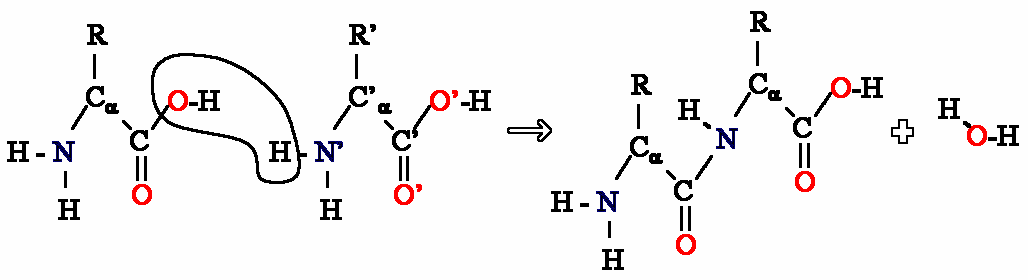


Chemical structure and synthesis
Amide bonds (–C(=O)–NH–) allow hydrogen bonding between chains, which strongly influences mechanical strength and melting behavior. Synthetic polyamides are usually produced by step-growth (condensation) polymerization of a diamine with a diacid or by ring-opening polymerization of lactams. The choice of monomers determines backbone flexibility, crystallinity, and thermal stability.
Natural and synthetic examples
Natural polyamides include animal proteins such as wool and silk, where long chains of amino acids fold into fibrous structures. Man-made polyamides encompass a range of important materials: common aliphatic nylons (often generically called nylon) and aromatic variants known as aramids. Other laboratory and industrial polyamides are tailored for water-soluble or biodegradable applications.
Properties and practical uses
Characteristic features of polyamides include high tensile strength, good abrasion resistance, and relative chemical resistance; these arise from interchain hydrogen bonds and semi-crystalline morphology. Because of these properties, polyamides find use in textiles, carpets, ropes, tire cords, molded engineering parts, and high-performance composites. Aramids are notable for exceptional impact resistance and heat tolerance, which makes them suitable for ballistic and heat-protective gear.
History and development
Synthetic polyamides were brought into large-scale use in the twentieth century when research produced commercially viable nylons; this innovation transformed textile and engineering industries. Since then, polymer chemistry has expanded the family to include copolymers, blends, and fiber-reinforced grades for demanding applications.
Distinctions, sustainability, and care
Not all polyamides behave the same: aliphatic polyamides (many nylons) are flexible and dyeable, while aromatic types (aramids) are stiffer and more heat-resistant. Biodegradability varies — natural protein polyamides are readily broken down by enzymes, whereas highly crystalline synthetic grades resist environmental degradation and often require recycling or chemical recovery strategies. Manufacturers and recyclers aim to improve lifecycle performance through design choices and material recovery programs.
- Key chemical feature: amide linkages enabling hydrogen bonding.
- Major classes: natural (proteins) and synthetic (nylons, aramids).
- Common applications: textiles, engineering plastics, protective materials.
Related articles
Author
AlegsaOnline.com Polyamide (polymers built from amide linkages) Leandro Alegsa
URL: https://en.alegsaonline.com/art/77835