
Puffball (fungus): identification, ecology, edibility and safety
Puffballs are round, spore-filled fungi in Basidiomycota; this article explains their structure, habitats, edible species, lookalikes and safe identification practices.
Overview
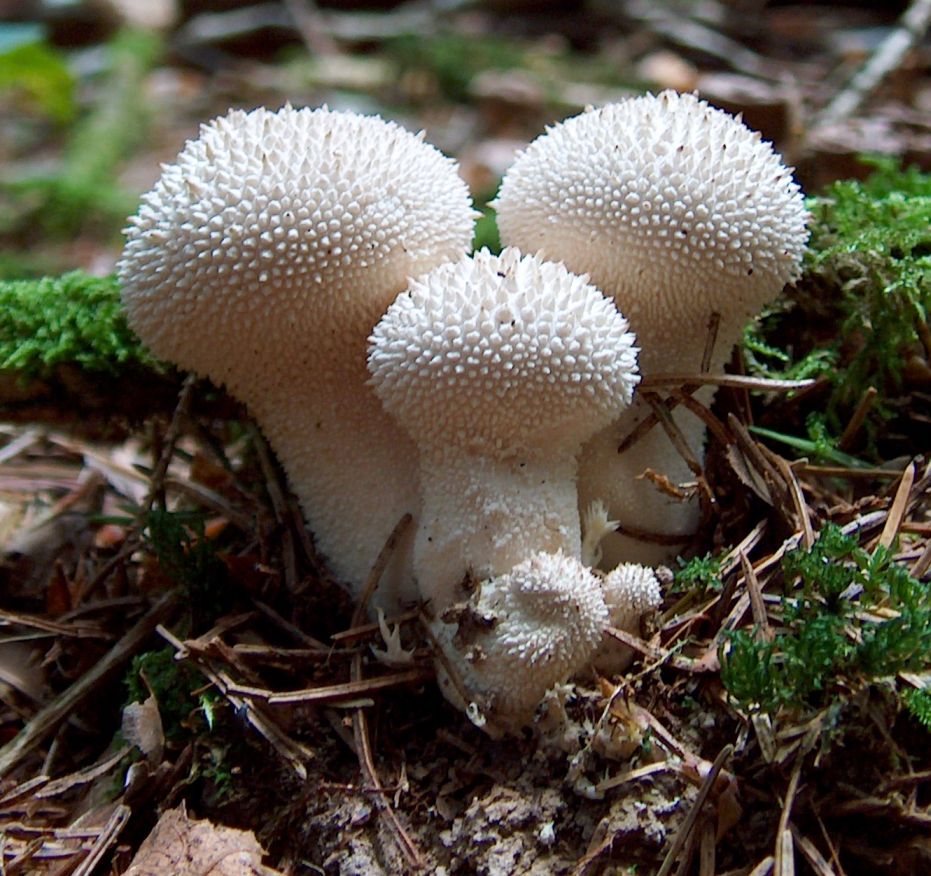
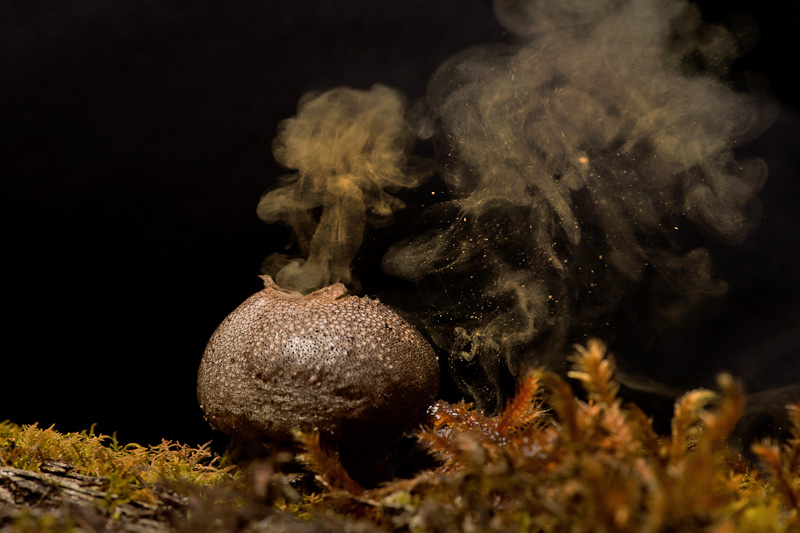
Puffballs are a common informal name for several groups of mostly globe-shaped fungi within the division Basidiomycota. Instead of producing an exposed cap and gills, these fungi develop a closed fruiting body that encloses the spore mass until maturity. Genera commonly associated with the term include Calvatia, Lycoperdon and Calbovista, among others. When mature and disturbed, many puffballs release a visible cloud of powdery spores, which gives the group its familiar common name.
Image gallery
10 Images





Identification and structure
Puffballs are typically round to pear-shaped and lack an obvious stem or cap structure. Key parts are the outer skin or peridium and the internal spore-bearing tissue called the gleba. In immature, edible specimens the gleba is usually firm and uniformly white; as spores develop it changes to yellow, olive and then brown. Many puffballs also have a network of sterile fibers (capillitium) that help with gradual spore release.
Ecology and life cycle
Most puffballs are saprotrophic, decomposing organic matter in soils, meadows, lawns and forest floors, although a few grow on decaying wood. They reproduce by producing basidiospores internally; spores are released through openings or by rupture of the outer skin, then dispersed by wind or mechanical disturbance. Fruiting often occurs in warm months and can be abundant after rain.
Edibility, uses and examples
Some species are eaten when young and the interior is still white and firm; the giant puffball (a common example in the genus Calvatia) is widely cited as edible at that stage. Older specimens or those with discolored gleba are not suitable for eating. Historically, dried spore masses have had folk uses such as tinder or in traditional remedies, but modern consumption relies on clear, expert identification.
Similar species and safety precautions
Several unrelated or distantly related fungi resemble puffballs. Notably, earthballs in the genus Scleroderma are commonly called false puffballs; they tend to have a thick, tough outer skin and a dark purple-brown gleba and are considered inedible or irritant. Because some toxic mushrooms can resemble young puffballs in outline, a standard safety check is to cut specimens lengthwise: a true edible puffball will have a homogeneous white interior, whereas a developing gilled mushroom will show embryonic cap or stem structures. When in doubt, consult a local expert.
Practical tips
- Only collect puffballs with a solid, uniformly white interior.
- Avoid specimens with yellow, green, brown or purple interiors.
- Do a clean longitudinal cut to inspect internal structure before using.
- If unsure about identification, do not consume.
Puffballs are an easily recognized group with interesting biology and a few edible species, but they require careful identification because of lookalikes and variable palatability. For detailed regional guidance, consult field guides or mycological societies.
Related articles
Author
AlegsaOnline.com Puffball (fungus): identification, ecology, edibility and safety Leandro Alegsa
URL: https://en.alegsaonline.com/art/79965
Sources
- mssf.org : "Wild About Mushrooms:Puffballs"