
Psychedelic mushroom (psilocybin mushrooms)
Fungi that contain psilocybin and related compounds, known for altering consciousness, traditional ritual use, and current medical research into mental health therapies.
Overview
Psychedelic mushrooms, often called magic mushrooms or psilocybin mushrooms, are a group of fungi whose tissues contain the psychoactive compound psilocybin and related alkaloids. They produce characteristic changes in perception, mood and cognition when consumed. The active ingredient, psilocybin, is converted in the body to psilocin, which affects brain function and can lead to visual alterations, shifts in time perception and changes in sense of self.
Image gallery
10 Images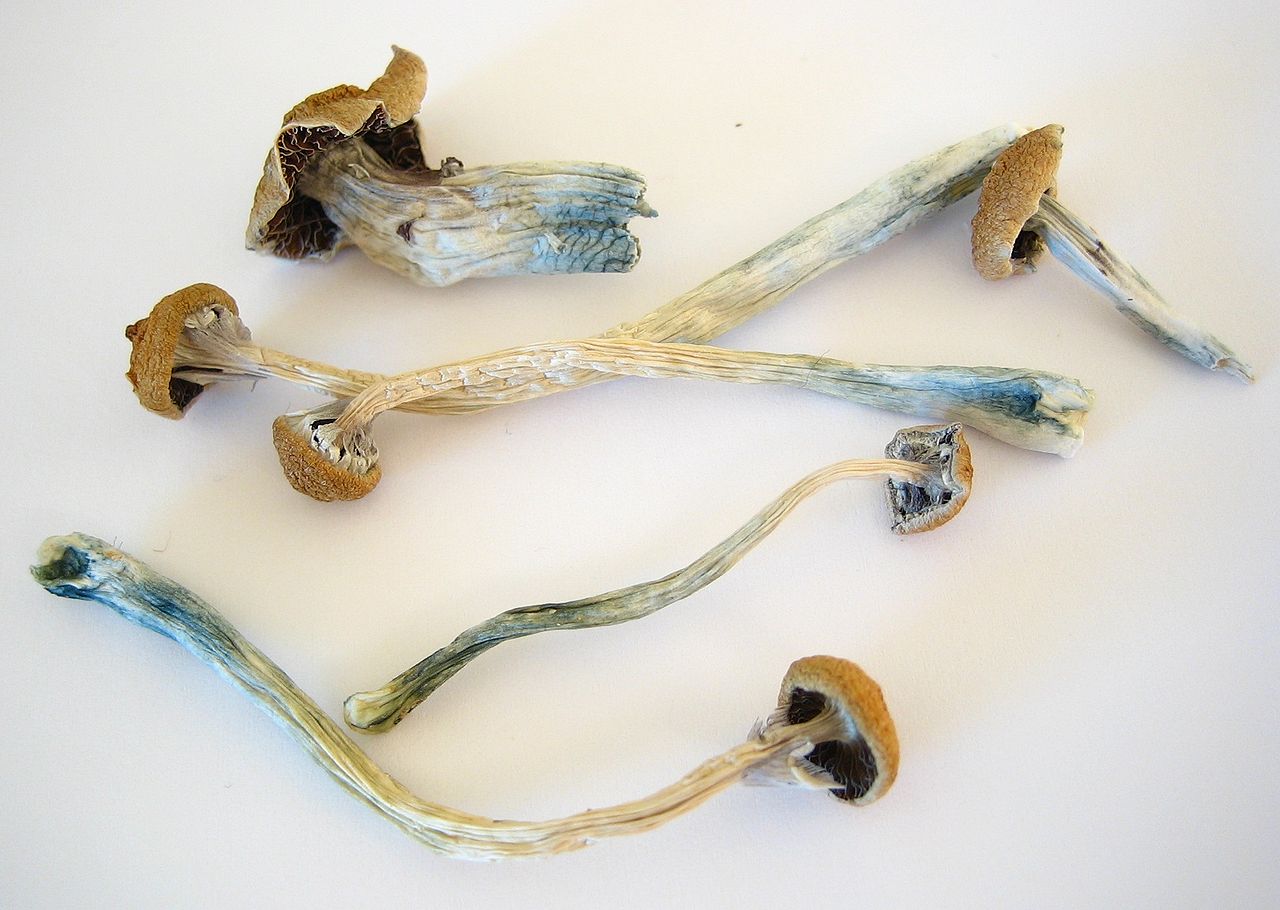

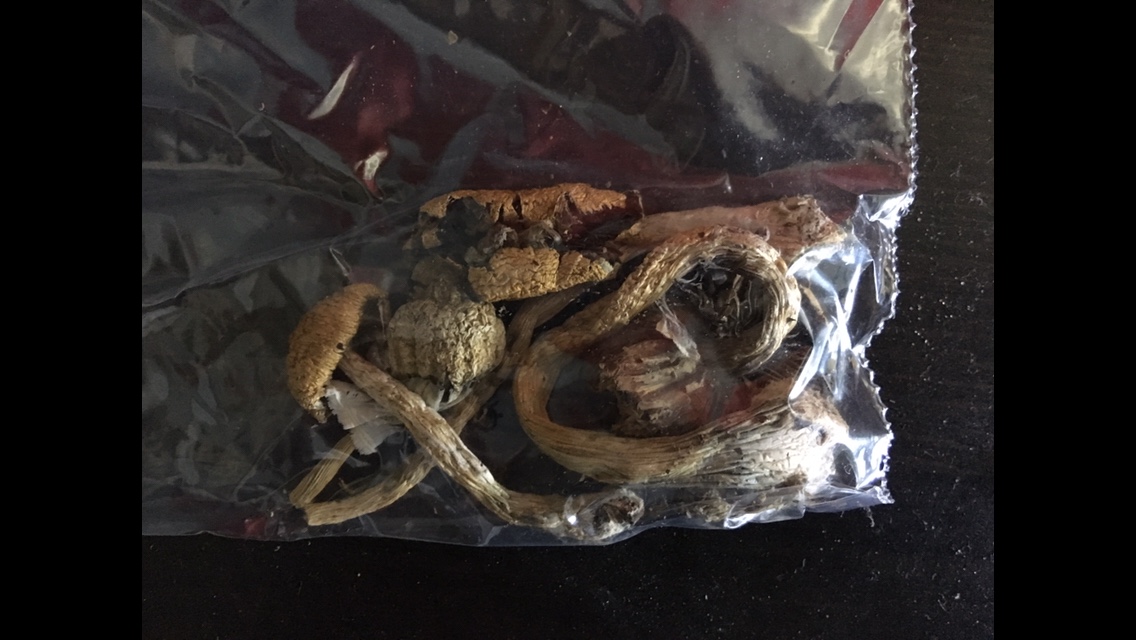


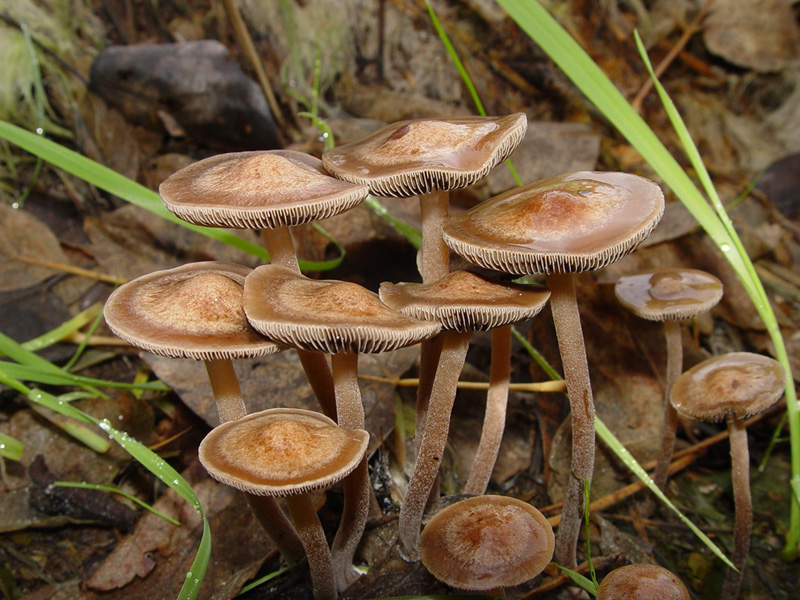
Chemistry and effects
Psilocybin and its close analogues are serotonin receptor agonists. Consumption can lead to an altered state of consciousness that ranges from mild sensory enhancement to vivid hallucinations and profound changes in thought. Some people describe mystical or visionary experiences. Acute effects depend on dose, individual physiology and setting. Researchers characterize the subjective effects as varying from euphoric and insightful to disorienting or anxiety-provoking.
Common species and identification
Several fungal genera contain psilocybin-bearing species. Notable examples include Psilocybe (for example Psilocybe semilanceata), Panaeolus, Copelandia, Gymnopilus, Inocybe, Mycena, Pholiotina, and Pluteus. Identification based on appearance alone is risky: many harmless species resemble toxic ones. Field guides and expert confirmation are essential where foraging occurs.
History, ritual and cultural roles
Evidence suggests human use of psychoactive fungi goes back millennia. Indigenous communities in Mesoamerica incorporated them into ritual and healing practices, and colonial-era observers recorded such ceremonies. In later centuries these mushrooms drew attention from ethnomycologists and countercultural movements. Reactions from religious and political authorities have varied, with some campaigns opposing ceremonial use and others recognizing cultural value.
Medical research and therapeutic applications
Modern clinical research explores psilocybin-assisted psychotherapy for conditions such as treatment-resistant depression, end-of-life anxiety, obsessive-compulsive disorder and some substance use disorders. Controlled trials aim to define safety, optimal dose ranges and therapeutic protocols. Early results have shown promise in symptom reduction for certain groups, but research is ongoing and regulated within medical contexts.
Risks, toxicity and legal status
Classic psychedelics are not considered highly physiologically toxic in typical doses, but they carry psychological risks: acute panic, challenging experiences, and the possibility of worsening latent psychiatric disorders. Fatalities are typically associated with accidents or contaminated material rather than psilocybin toxicity alone. Statements about lethal doses are based on animal studies and extrapolations, and do not replace clinical risk assessment. Legal classification varies widely by country and region; some jurisdictions criminalize possession and distribution while others permit research or limited medical use.
Ecology and notable facts
In nature, these compounds are thought to deter consumption by some animals and thus reduce predation on the fruiting body until spore release. Psilocybin content varies by species, developmental stage and environmental factors. Because identification can be difficult, many guides advise relying on expert mycologists for confirmation. Contemporary interest spans scientific research, psychiatry, cultural history and regulated therapeutic programs.
- Key compound: psilocybin and its metabolite psilocin.
- Representative genera: Psilocybe, Panaeolus, Gymnopilus.
- Research topics: therapeutic trials, safety protocols and long-term outcomes.
- Safety resources: consult medical professionals and local regulations (legal status, harm reduction).
For accurate identification, clinical guidance and legal information consult specialists and authoritative sources rather than informal accounts. The field continues to evolve as science, culture and law respond to renewed interest in these compounds.
Questions and answers
Q: What is psilocybin?
A: Psilocybin is a mind-altering chemical found in certain types of mushrooms. It can lead to effects like hallucinations or visions and has been used for medical purposes to treat cluster headaches, obsessive-compulsive disorder, and certain kinds of depression.
Q: What are some examples of magic mushrooms?
A: Psilocybe semilanceata is the classic example of a magic mushroom, but there are quite a few others including Copelandia, Gymnopilus, Inocybe, Mycena, Panaeolus, Pholiotina and Pluteus.
Q: How much psilocybin does an average psychedelic mushroom contain?
A: On average psychedelic mushrooms contain about 1% psilocybin by weight.
Q: What is the LD50 rate for rats when it comes to psilocybin?
A: The LD50 rate for rats when it comes to psilocybin is 280 mg/kg.
Q: How much would a 60 kg person need to consume in order to reach the LD50 rate for rats?
A: A 60 kg person would need to consume nearly 1.7 kilograms of dried mushrooms or 17 kilograms of fresh mushrooms in order to reach the LD50 rate for rats.
Q: When were magic mushrooms first used?
A: Magic mushrooms have probably been used since prehistoric times and may be seen in rock art from many cultures who have used them in religious rites.
Q: What purpose do compounds like this serve in nature?
A: Compounds like this serve as a defence against herbivory by reducing the likelihood that the mushroom will be eaten before its spores have been scattered.
Related articles
Author
AlegsaOnline.com Psychedelic mushroom (psilocybin mushrooms) Leandro Alegsa
URL: https://en.alegsaonline.com/art/79842
Sources
- clusterbusters.com : "Psilocybin mushrooms"
- courses.washington.edu : "Safety, tolerability and efficacy of Psilocybin in 9 Patients with obsessive-compulsive-disorder"
- newsweek.com : "FDA approves magic mushrooms depression drug trial"
- samorini.it : "The oldest Representations of Hallucinogenic Mushrooms in the World (Sahara Desert, 9000-7000 B.P.)"
- ncbi.nlm.nih.gov : "Psychedelic-Assisted Psychotherapy: A Paradigm Shift in Psychiatric Research and Development"
- michaelpollan.com : "The New Science of Psychedelics"
- journals.sagepub.com : "Rapid and sustained symptom reduction following psilocybin treatment for anxiety and depression in patients with life-threatening cancer: a randomized controlled trial"
- doi.org : 10.1177/0269881116675512
- worldcat.org : 0269-8811
- ncbi.nlm.nih.gov : 5367551
- pubmed.ncbi.nlm.nih.gov : 27909164
- nature.com : "Psilocybin for treatment-resistant depression: fMRI-measured brain mechanisms"
- doi.org : 10.1038/s41598-017-13282-7
- worldcat.org : 2045-2322
- compasspathways.com : "COMPASS Pathways Receives FDA Breakthrough Therapy Designation for Psilocybin Therapy for Treatment-resistant Depression – COMPASS"