
Pre-1600 Atlantic hurricane seasons
Summary of what is known about Atlantic tropical cyclones before 1600: observational limits, paleotempestology methods, long-term activity patterns, and implications for coastal history and risk.
Overview
“Pre-1600 Atlantic hurricane seasons” refers to the study of tropical cyclone activity in the Atlantic basin before the year 1600. Direct documentary records are sparse or absent for most of this interval, so modern descriptions combine fragmentary eyewitness reports from early European voyages with geological and biological evidence. In contemporary terminology these storms are part of the broader class of Atlantic tropical cyclones, and their occurrence followed the same seasonal window recognized today, with most formation concentrated between June and November.
Image gallery
1 Image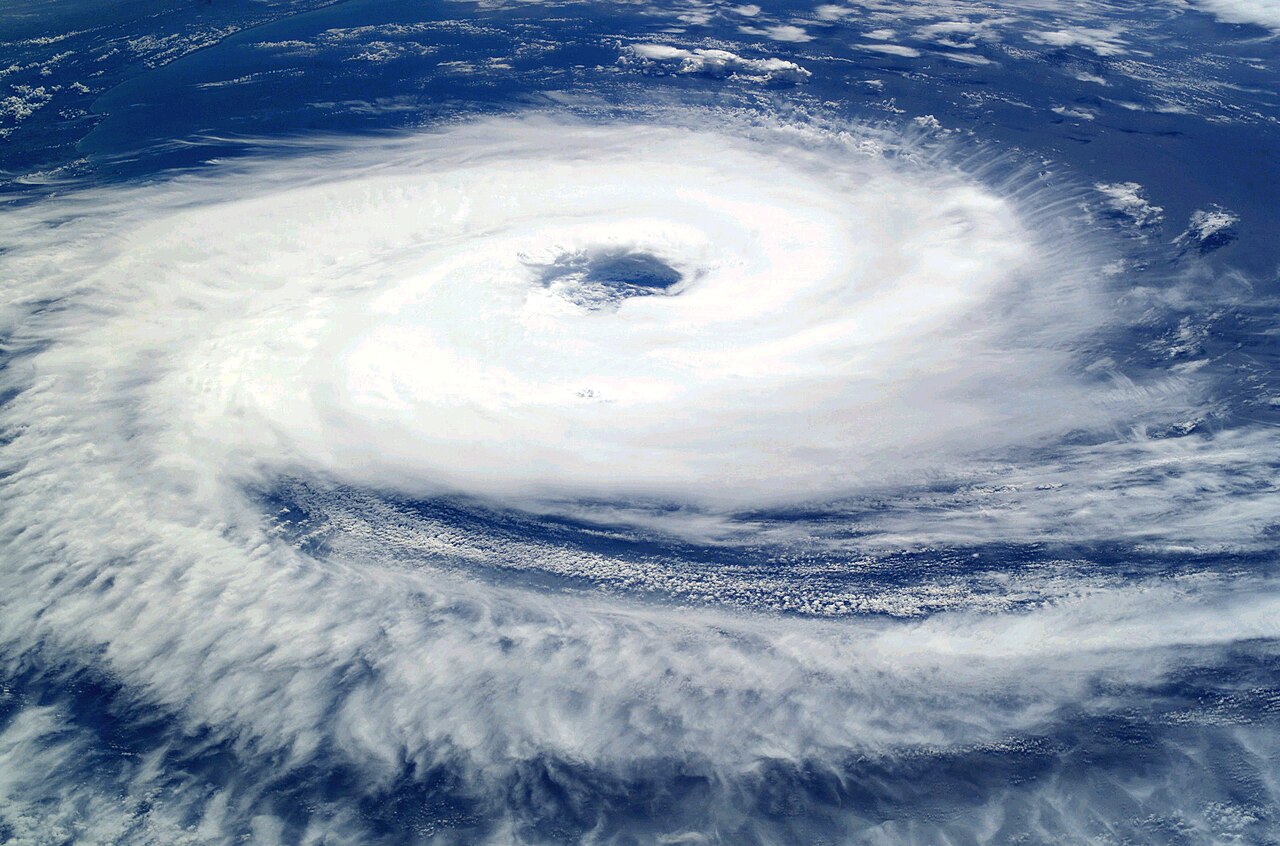
Sources and limits of historical evidence
Written accounts for the Atlantic before widespread European colonization are limited. Systematic logbooks and colonial records begin to accumulate in the 16th century, but earlier centuries — especially the pre‑Columbian era — offer little in the way of dated, continuous observations. Even when early explorers or settlers described violent storms, contemporary understanding did not always distinguish between tropical cyclones and strong extratropical gales, a distinction that only became clear later in meteorological science associated with the Renaissance and subsequent centuries. This ambiguity complicates efforts to construct a reliable catalog of specific pre-1600 storms.
Paleotempestology: reconstructing storms from natural archives
To fill gaps left by human records, scientists use paleotempestology: the study of past tropical cyclone activity through geological and biological proxies. Typical approaches include:
- Coastal sediment cores and overwash deposits, which preserve sand layers deposited by storm surge and can be dated by radiocarbon or luminescence techniques.
- Coral growth patterns and geochemical signatures, which record abrupt changes in salinity or sediment inflow associated with storms.
- Tree rings and peat deposits that can show sudden saltwater inundation or growth suppression after severe storms.
- Historical archaeology and reanalysis of explorer journals to corroborate physical evidence.
Each proxy has strengths and limitations: some resolve individual events, while others indicate multi-century trends. Dating uncertainties and local site effects mean reconstructions are probabilistic rather than definitive.
Long-term patterns and regional differences
Paleotempestological studies indicate that Atlantic hurricane activity has varied on century-to-millennium timescales. One inferred pattern is an apparent anti‑phase of landfall risk between the Gulf of Mexico and the U.S. Atlantic seaboard. When atmospheric patterns such as the Azores High and the North Atlantic Oscillation favor a more northeasterly steering flow, hurricanes are likelier to track toward the Atlantic coast; when those features shift southwestward, tracks swing into the Gulf. Research has suggested intervals of relative quiescence and hyperactivity: for example, some cores and coastal records point to fewer major strikes on the Gulf coast during certain millennia and elevated Gulf impacts during other intervals. These multi‑century shifts influence where severe storms were most likely to make landfall over long epochs.
Historical implications and modern relevance
Understanding pre-1600 hurricane behavior helps historians, archaeologists, and hazard planners. For coastal communities of the past, intense storms affected settlement locations, subsistence, and trade routes; for modern coastal management, long‑term baselines derived from paleodata contextualize recent changes in storm frequency and intensity. Studies that combine proxy records with the sparse early colonial and navigational archives produce a more complete picture than either source alone.
Key distinctions and remaining uncertainties
It is important to recognize limitations: proxy records seldom provide the exact date or intensity of a single prehistoric hurricane, and distinctions between tropical and extratropical storms remain challenging without corroborating data. Ongoing work—combining improved dating methods, higher-resolution cores, and reanalysis of historical narratives—continues to refine the pre-1600 record. For accessible overviews and datasets on basin seasons and methods, see summaries of Atlantic hurricane seasons and regional studies of the Gulf of Mexico.
Further reading and technical summaries are available through specialist reviews and paleoclimate syntheses; interested readers can follow research links and datasets via institutional pages and review articles that collate proxy records and historic observations. These ongoing efforts aim to constrain past variability and improve our understanding of how natural climate patterns modulate hurricane risk over centuries.
Questions and answers
Q: What is the pre-1600 Atlantic hurricane season?
A: The pre-1600 Atlantic hurricane season refers to all known Atlantic tropical cyclones that occurred before 1600.
Q: When does most tropical cyclone formation occur?
A: Most tropical cyclone formation occurs between June 1 and November 30.
Q: Is there any record keeping for years before 1492?
A: No, there is no record keeping for years before 1492 because record keeping was non-existent in the pre-Columbian era and any records that may have once existed have long since been lost.
Q: Was the difference between a hurricane and an extratropical system understood by Renaissance scientists and sailors?
A: No, the difference between a hurricane and an extratropical system was not drawn by Renaissance scientists and sailors.
Q: What is paleotempestological research?
A: Paleotempestological research is a type of research that allows reconstruction of pre-historic hurricane activity trends on timescales of centuries to millennia.
Q: Does an anti-phase pattern exist between the Gulf of Mexico coast and the Atlantic coast?
A: Yes, it has been postulated that an anti-phase pattern exists between the Gulf of Mexico coast and the Atlantic coast. During quiescent periods, more hurricanes are steered towards the Atlantic coast while during hyperactive periods, more hurricanes are steered towards the Gulf Coast.
Q: Has chance of landfalling hurricanes doubled in recent millennium compared to one and a half millennia before?
A: Yes, chance of landfalling hurricanes has doubled in recent millennium compared to one and a half millennia before on the Atlantic coast.
Related articles
Author
AlegsaOnline.com Pre-1600 Atlantic hurricane seasons Leandro Alegsa
URL: https://en.alegsaonline.com/art/78650
Sources
- doi.org : 10.1007/BF00193603
- doi.org : 10.1029/2004JD005272
- worldcat.org : 511649
- worldcat.org : 339427