
Polychlorinated Biphenyls (PCBs): chemistry, uses, risks and regulation
Polychlorinated biphenyls (PCBs) are persistent, chlorinated industrial chemicals once used in electrical equipment and fluids. They bioaccumulate, pose health risks, and are now tightly regulated and subject to remediation.
Overview
Polychlorinated biphenyls, commonly abbreviated PCBs, are a family of chlorinated organic chemical compounds derived from biphenyl. Chemically they consist of two linked benzene rings with one to ten chlorine atoms attached; different substitution patterns create up to 209 distinct congeners. Because their chemical and physical properties vary across congeners, the term PCB covers a wide range of substances rather than a single molecule.
Image gallery
5 Images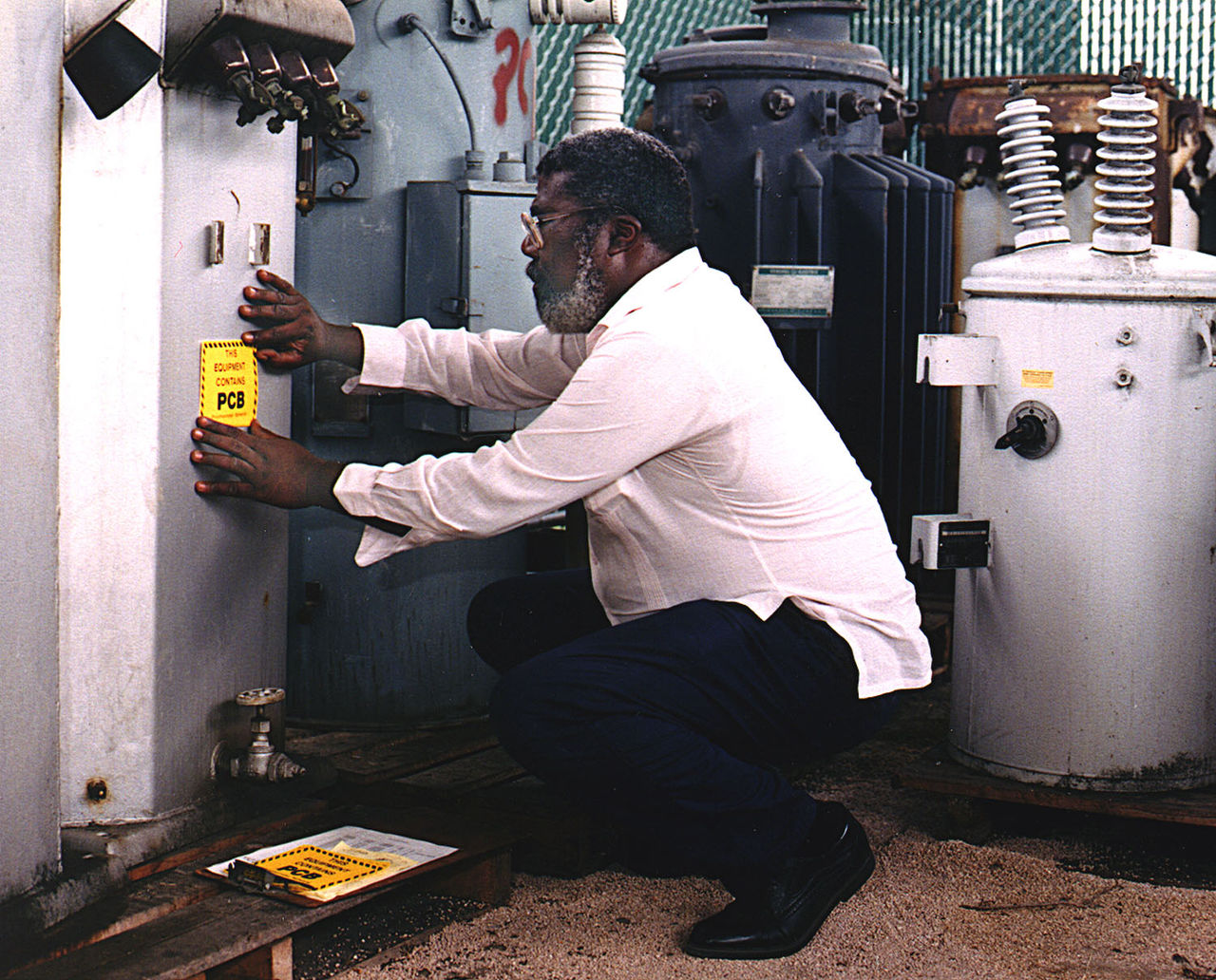


Characteristics and common uses
PCBs are electrically nonconductive, thermally stable and resistant to chemical breakdown. These properties made them attractive for many industrial purposes, notably in industrial chemistry. Typical applications included dielectric fluids in transformers and capacitors, hydraulic and heat-transfer fluids, plasticizers, sealants and coatings. Commercial mixtures were sold under trade names such as Aroclor and were used worldwide from the 1930s through the 1970s.
Environmental fate and behavior
PCBs are persistent in the environment: they resist biodegradation, dissolve poorly in water, and readily dissolve in fats and organic matter. This lipophilicity leads to bioaccumulation in organisms and biomagnification up food chains, so PCB concentrations can be much higher in predator species than in surrounding air, soil or water. Certain congeners act similarly to dioxins by activating the aryl hydrocarbon receptor; see dioxin for related toxic mechanisms.
Human health effects
Exposure to PCBs has been associated with a range of adverse outcomes. Acute high-level exposure may cause skin conditions such as chloracne, but most concern centers on long-term effects: developmental and neurobehavioral deficits in children, immune and endocrine disruption, and an increased risk of certain cancers. Because of their effects on development, PCBs are often discussed alongside other teratogens. International cancer agencies recognize some PCB mixtures as carcinogenic; for a general discussion see cancer.
Regulation, history and remediation
Recognition of environmental and health hazards led to regulatory action beginning in the 1970s; for example, many countries phased out production and use of PCBs and restricted disposal of PCB-containing equipment. The Stockholm Convention on Persistent Organic Pollutants later listed PCBs among substances targeted for elimination or strict control. Remediation approaches for contaminated sites include removal and high-temperature destruction, dredging, containment (capping), and biological or chemical dechlorination techniques that reduce toxicity and persistence.
Notable distinctions and remaining challenges
Not all PCB congeners behave identically: some are "dioxin-like" and more toxic on a per-mass basis, while others have different toxicological profiles. Although manufacture has been banned in most jurisdictions for decades, legacy uses, improper disposal, and contaminated building materials (caulks, paints) mean PCBs remain a contemporary contaminant issue. Continued monitoring, safe management of existing PCB-containing equipment such as older chlorine-stabilized fluids, and remediation of polluted sites are ongoing priorities to reduce exposures and long-term ecological impacts.
- Key properties: persistence, lipophilicity, congener diversity (congener profiles).
- Historical uses: transformer fluids, capacitor oils, hydraulic fluids.
- Regulation and control: national bans and international treaties (industrial regulation, Stockholm).
Related articles
Author
AlegsaOnline.com Polychlorinated Biphenyls (PCBs): chemistry, uses, risks and regulation Leandro Alegsa
URL: https://en.alegsaonline.com/art/77839