
Pnictogen (Group 15) — nitrogen, phosphorus, arsenic, antimony, bismuth, moscovium
Pnictogens (Group 15) are elements with five valence electrons, from gaseous nitrogen to heavy bismuth and synthetic moscovium. They display diverse chemistry, important compounds, and varying toxicity.
Overview
The pnictogens are the elements of Group 15 of the periodic table. The group is defined by having five electrons in their outer shell, a configuration that leads to characteristic bonding patterns and a range of common oxidation states. Members vary from a molecular gas to metallic and metalloids, and they play major roles in industry, biology, and environmental chemistry.
Image gallery
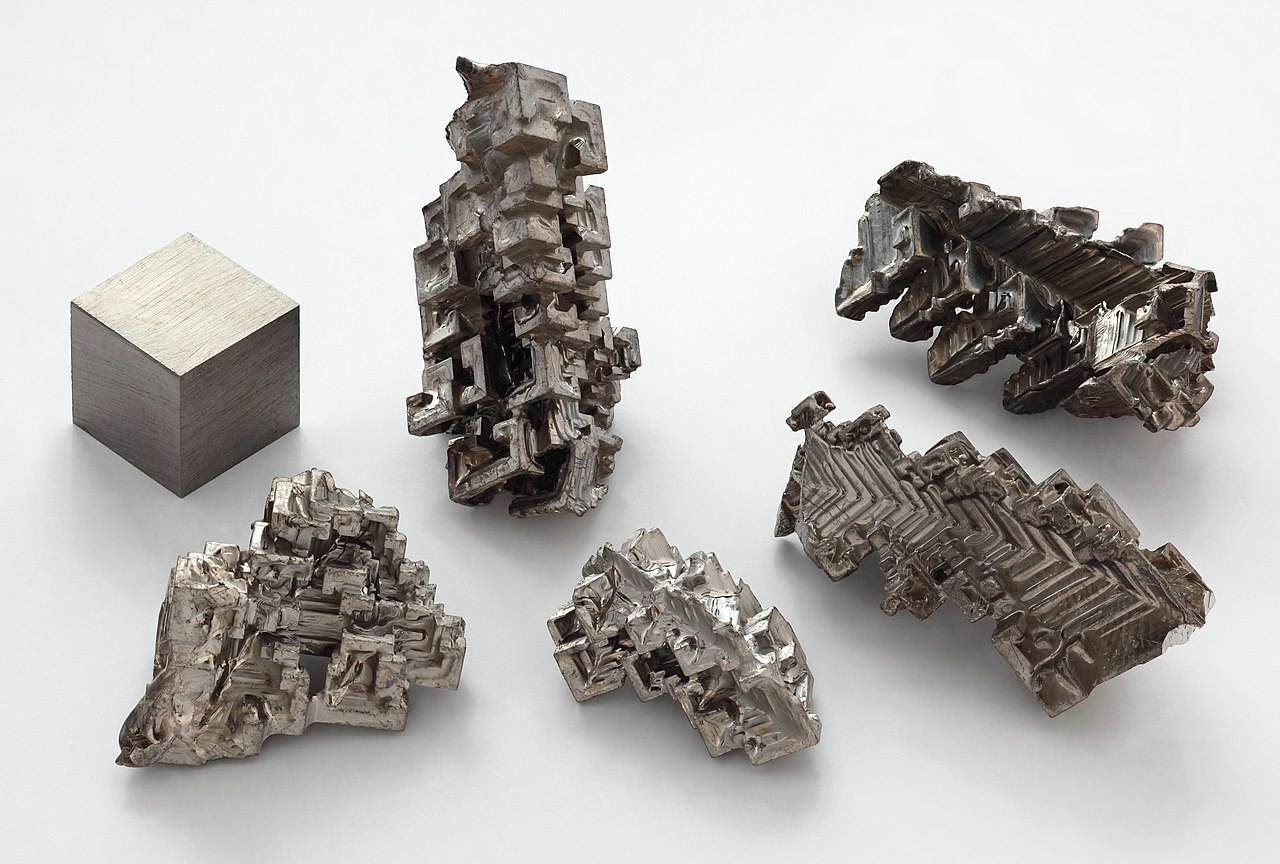
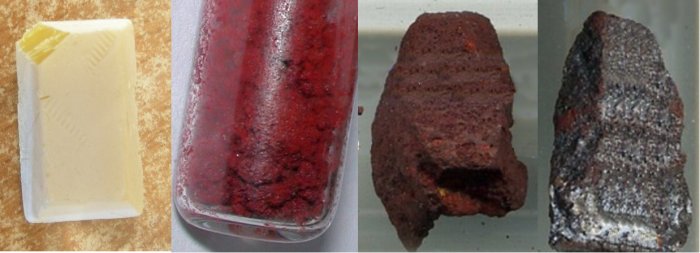
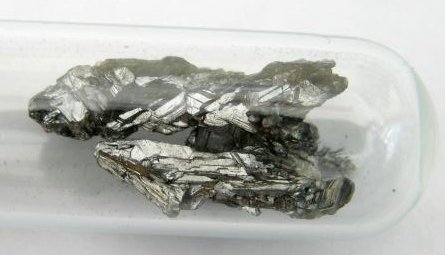
10 Images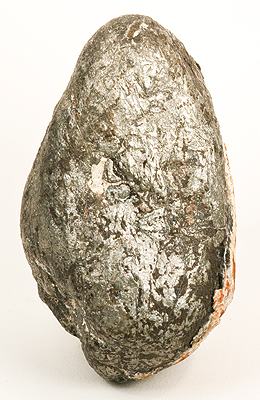



Members and trends
The principal naturally occurring members are nitrogen, phosphorus, arsenic, antimony, and bismuth; the synthetic superheavy element moscovium has been added to the group. Moving down the column metallic character increases: nitrogen is a diatomic gas, phosphorus is a reactive nonmetal, arsenic and antimony are metalloids (semimetals), and bismuth behaves like a heavy metal. Moscovium is produced only in laboratories and is highly radioactive.


Properties and chemistry
Pnictogens commonly show oxidation states from −3 (gaining three electrons, as in nitrides or phosphides) to +5 (losing five electrons, as in oxoanions such as phosphates). The balance of covalent and ionic bonding shifts with element and oxidation state. Nitrogen's strong triple bond in N2 makes it relatively inert at ambient conditions, whereas allotropes of phosphorus (white, red, black) differ greatly in reactivity and structure. Heavier members exhibit the inert-pair effect: their lower oxidation states become comparatively more stable.
Uses, importance, and hazards
Pnictogens and their compounds are vital across many sectors. Nitrogen is central to the atmosphere and to fertilizers (via ammonia and nitrates). Phosphorus is essential to life and agriculture in the form of phosphate compounds. Arsenic and antimony form useful semiconducting and flame-retardant materials but have notable toxicity concerns; arsenic contamination is an important environmental health issue. Bismuth finds specialized uses in alloys and medical compounds and is often considered a lower-toxicity substitute for lead. Synthetic moscovium has no commercial use and exists only for research.
Notable facts and distinctions
- Common oxidation states: −3 and +5, with intermediate states for heavier elements.
- Allotropes: phosphorus shows some of the most dramatic allotropy among the pnictogens.
- Biological role: phosphorus is a structural component of DNA, ATP and cell membranes as phosphate.
- Toxicity: arsenic is historically infamous; safety and environmental impact vary widely across the group.
- Name origin: "pnictogen" derives from a Greek root meaning "to choke", originally referring to nitrogen’s effect in some contexts.
For further reading on specific elements and reactions, consult dedicated element pages linked above and authoritative chemical references represented by the links in this summary.
Related articles
Author
AlegsaOnline.com Pnictogen (Group 15) — nitrogen, phosphorus, arsenic, antimony, bismuth, moscovium Leandro Alegsa
URL: https://en.alegsaonline.com/art/77552