
Polycarbonate: properties, uses, history and safety considerations
Polycarbonate is a strong, lightweight transparent thermoplastic used for lenses, electronics housings, glazing and discs; this article covers its properties, production, applications and environmental notes.
Overview
Polycarbonate is a family of transparent, amorphous thermoplastics valued for high impact resistance, optical clarity and dimensional stability. As a class of engineered plastics it combines good toughness with the ability to be molded, extruded or formed into thin, optically clear parts. Manufacturers and designers often choose polycarbonate when a material must be lightweight, see-through and able to withstand mechanical stress.
Image gallery
9 Images





Composition and historical development
Commercial polycarbonates were developed in the mid-20th century and became widely produced in the 1960s. Early commercial grades were marketed under well-known trade names. Industrial synthesis typically involves condensation polymerization routes that use bisphenol building blocks and carbonate linkages. Because polycarbonate is an engineered thermoplastic, it is commonly categorized as a thermoplastic and processed using standard thermoplastic methods such as injection molding and extrusion.
Key physical and chemical characteristics
- Optical clarity: untreated grades transmit a high percentage of visible light, which makes them suitable for lenses and glazing.
- Impact resistance: polycarbonate is much tougher than ordinary glass and many other plastics, enabling use in protective applications.
- Thermal stability: it can be used over a broad temperature range and tolerates elevated service temperatures (laboratory and datasheet values vary; some grades resist heat to around high service temperatures).
- Lightweight: in many constructions polycarbonate parts are substantially lighter than equivalent glass components, which benefits transportation and handling; for example, thin polycarbonate sheets are often a fraction of the weight of glass of equal size and thickness (weight comparisons are commonly cited in product literature).
- Chemical behavior: it is generally resistant to water and many nonpolar solvents but can be attacked by strong alkalis, some organic solvents and certain cleaning agents; surface hardness is lower than glass unless coated.
Common uses and typical examples
Polycarbonate's combination of clarity and toughness has produced a wide variety of applications. Typical uses include:
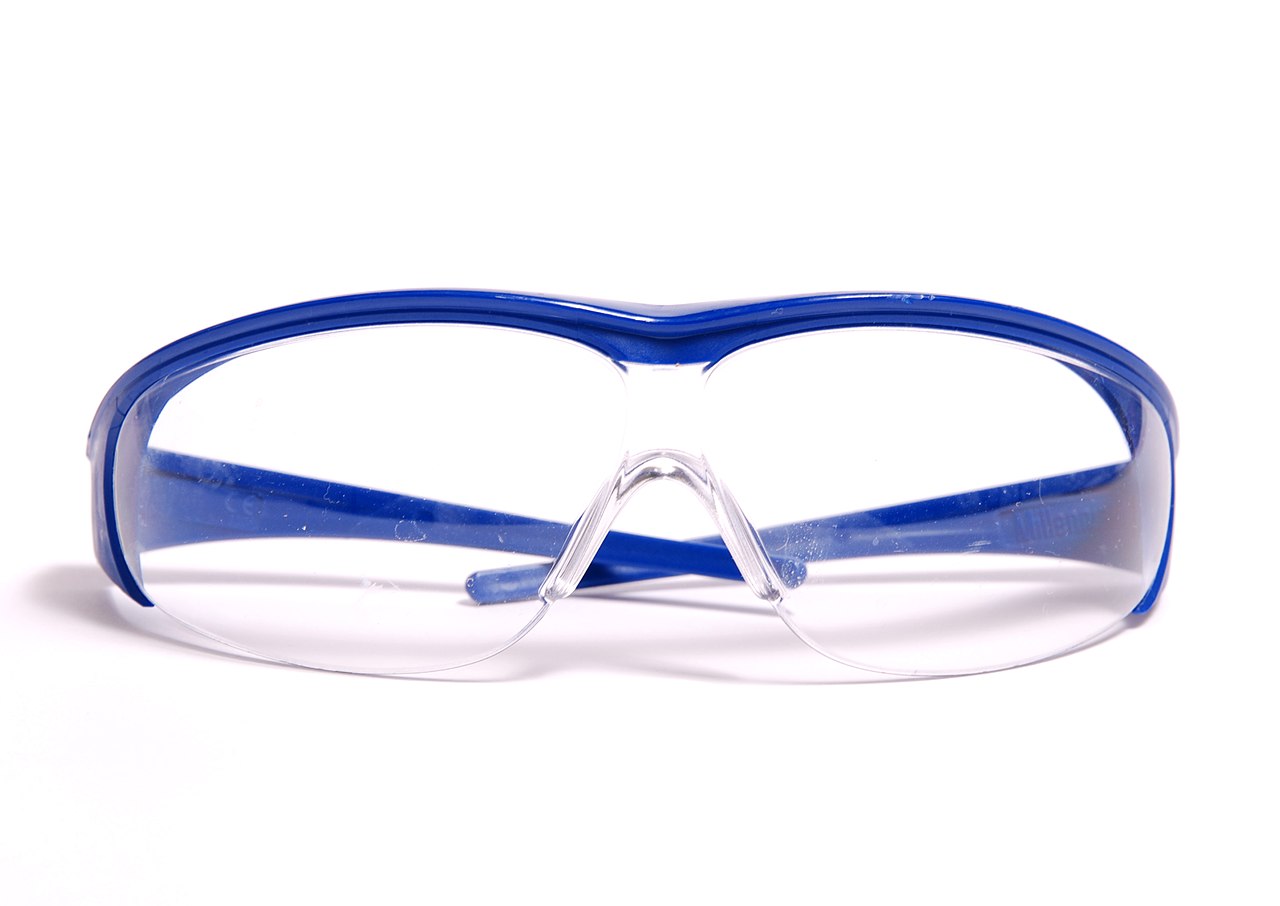
- Eyewear lenses and safety goggles—thin, impact-resistant optics for everyday and industrial use.
- Optical discs—compact discs and digital versatile discs historically used injection-molded polycarbonate substrates for data storage (CDs, DVDs).
- Electronic housings and consumer electronics—cases and covers for mobile phones, laptops and other devices often use polycarbonate blends for aesthetics and durability (phone covers, laptop enclosures).
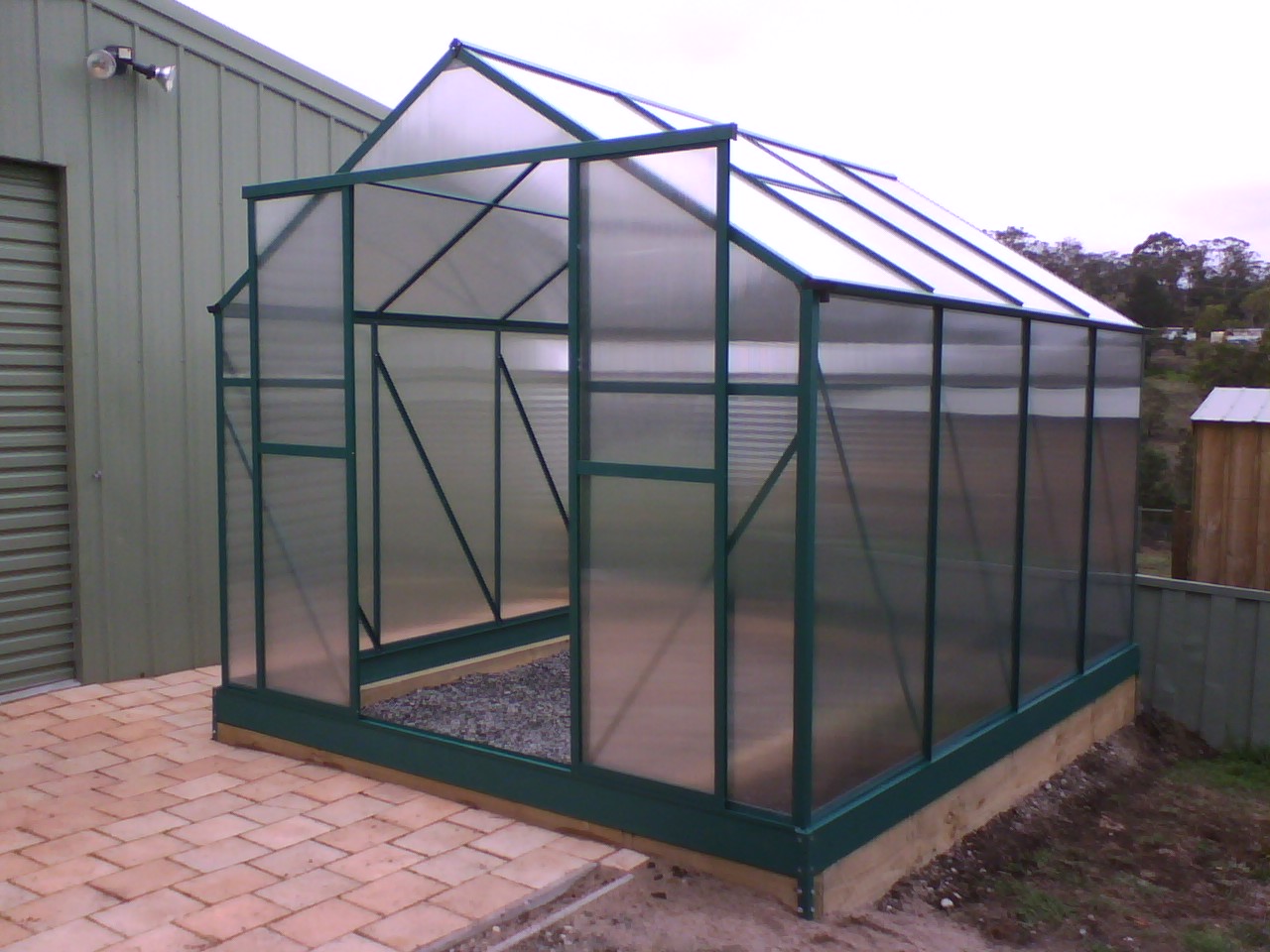
- Architectural glazing and safety glazing—laminated polycarbonate panels for skylights, riot shields, and bullet-resistant assemblies.
- Automotive components—headlamp lenses, interior panels and other components where transparency and impact resistance are required.
Advantages, limitations and alternatives
Advantages include excellent toughness, formability, good optical quality and relative lightness. Limitations are noteworthy: uncoated polycarbonate scratches more easily than glass and some acrylics, is susceptible to long-term UV exposure unless stabilized, and may show chemical sensitivity to certain cleaners. For applications emphasizing scratch resistance and weathering the tradeoff is often acrylic (PMMA) or coated materials, while for ballistic or high-impact uses polycarbonate is preferred.
Processing, safety and environmental considerations
Polycarbonate can be processed by common thermoplastic methods—extrusion, injection molding, thermoforming and machining. Additives such as UV stabilizers, flame retardants and scratch-resistant coatings are frequently used to extend performance. While finished polycarbonate parts are generally considered safe for many consumer uses, the production chemistry involves monomers and intermediates (for example bisphenol-related chemistry), so occupational controls and responsible waste handling are important. For background on production chemicals and related health discussions see materials linked here about bisphenol-related topics.
Further reading
For technical data sheets, manufacturing guidelines and material comparisons, consult supplier literature and standards documents. Useful entry points include manufacturer pages, industry overviews and material selection guides: thermoplastic reference, temperature ratings, weight comparisons, CD manufacturing, DVD structure, electronics enclosures, computer components, and discussion of production chemistry at bisphenol-related resources.
Questions and answers
Q: What is polycarbonate?
A: Polycarbonate is a transparent thermoplastic material that is tough and stable, resistant to high and low temperatures, stain-resistant, non-toxic, and has a weight one sixth of glass.
Q: What are the advantages of polycarbonate?
A: The main advantages of polycarbonate are its high strength and light weight. It also has very good transparency and durability.
Q: What products can be made from polycarbonate?
A: Industries use polycarbonate for making different products such as bulletproof windows, CDs and DVDs, glasses lenses, covers for mobile phones, laptops and other electronic equipment.
Q: Is the process of making polycarbonate toxic?
A: Although the product itself is not poisonous, the process of making it uses toxic chemicals (such as Bisphenol A).
Q: How much does polycarbonate weigh compared to glass?
A: Polycarbonate weighs one sixth of what glass weighs.
Q: At what temperature can polycarbonates resist up to?
A: Polycarbons can resist temperatures up to 138°C (280°F) or -40°C (-40°F).
Q: Why do companies use clear polycarbons for glasses lenses?
A: Companies use clear polycarbons for glasses lenses because it has very good transparency and durability which allows them to be thinner than regular glass lenses.
Related articles
Author
AlegsaOnline.com Polycarbonate: properties, uses, history and safety considerations Leandro Alegsa
URL: https://en.alegsaonline.com/art/77837