
Polybutadiene: properties, production, and major uses
Polybutadiene is a synthetic rubber made from 1,3-butadiene. Known for wear resistance and elasticity, it is used chiefly in tires and as an impact modifier for plastics and in specialized coatings and molded goods.
Overview
Polybutadiene is a synthetic polymer produced by polymerizing the monomer 1,3-butadiene. As a form of synthetic rubber, it combines low glass transition behavior with high resilience and outstanding resistance to wear. Those characteristics make it particularly suited to applications that require repeated deformation, abrasion resistance and energy return.
Image gallery
4 Images


Structure and physical characteristics
The mechanical and thermal properties of polybutadiene depend on its microstructure: chains can contain cis-1,4, trans-1,4 and vinyl (1,2) linkages. A high cis-1,4 content generally yields greater elasticity and lower glass transition temperature; different polymerization techniques are employed to control this balance. Polybutadiene is typically compounded with fillers such as carbon black or silica and is vulcanized when used as an elastomer to improve strength and durability. It also has relatively high electrical resistivity, which makes it useful for certain insulating and encapsulation purposes.
History and production
Developed in the 20th century alongside other synthetic rubbers, polybutadiene became commercially important as demand for durable tire materials and engineered plastics grew. Production methods include emulsion and solution polymerization and, for highly controlled microstructures, anionic polymerization. Because the monomer 1,3-butadiene is a volatile and regulated chemical, plants employ measures to control emissions and ensure worker safety.
Main uses and examples
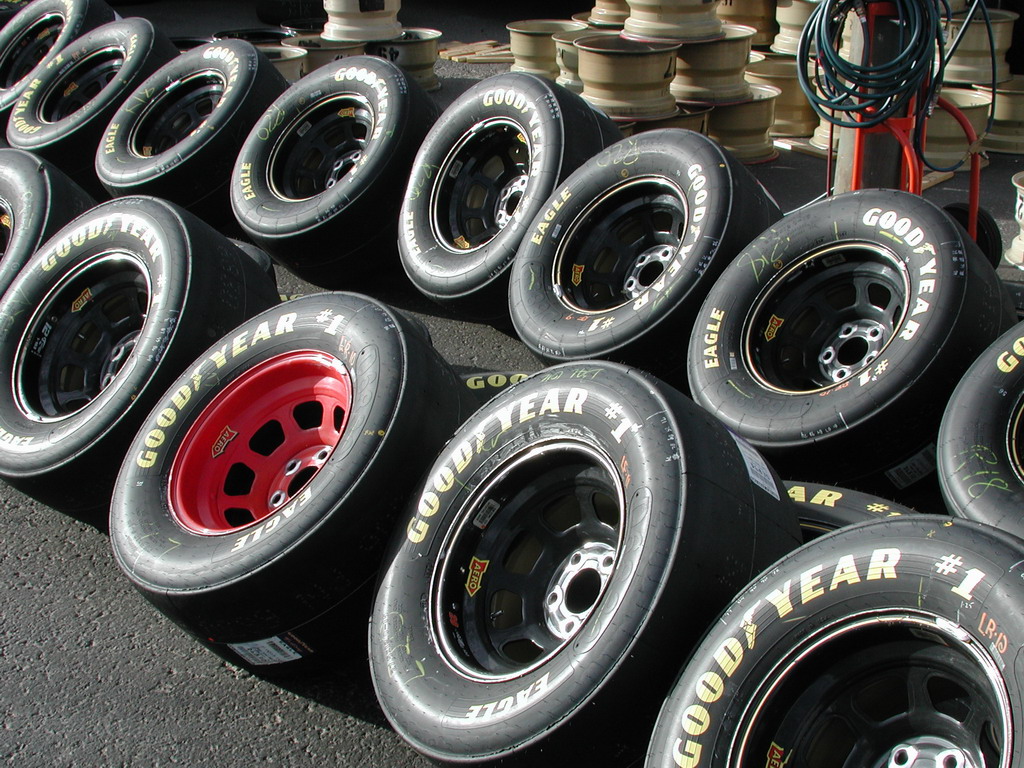
By far the largest single application is in the tire industry: roughly seven out of ten units of polybutadiene production are incorporated into tires to improve wear resistance and rolling performance, where it is often blended with other rubbers. About a quarter of production is used as an additive to enhance toughness and impact strength in styrenic plastics like polystyrene and in blends such as ABS. Other notable uses include cores and coverings for golf balls, elastic molded parts, adhesives, and coatings or encapsulants for electronic assemblies that benefit from the material's dielectric properties.
- Primary use: tires and tire components
- Impact modification of plastics and resins
- Sporting goods (e.g., golf balls) and elastic molded articles
- Protective coatings and electrical encapsulation
Comparisons, market role and trends
Compared with natural rubber and some other synthetic rubbers, polybutadiene offers superior abrasion resistance and low heat buildup, traits prized in high-mileage tires and in applications where fatigue resistance matters. It historically accounted for a substantial share of synthetic-rubber consumption globally. Ongoing developments focus on tailoring microstructure for specific performance, reducing environmental impact of production, and improving recyclability of compounded rubber products.
Notable facts: polybutadiene compounds are frequently blended with styrene-butadiene rubber (SBR) or natural rubber to balance properties; control of cis/trans content is a key lever for manufacturers; and because 1,3-butadiene is hazardous in pure form, handling and emissions remain central regulatory concerns.
Questions and answers
Q: What is polybutadiene?
A: Polybutadiene is a polymer that is mainly used as synthetic rubber, made from the monomer 1,3-Butadiene.
Q: What is the primary use of polybutadiene?
A: About 70% of the production of polybutadiene is used for tires.
Q: How is polybutadiene used to improve the toughness of plastics?
A: Polybutadiene is used as an additive to improve the toughness (impact resistance) of plastics such as polystyrene and acrylonitrile butadiene styrene (ABS).
Q: What percentage of total global consumption of synthetic rubbers did polybutadiene rubber account for in 2012?
A: Polybutadiene rubber accounted for about a quarter of total global consumption of synthetic rubbers in 2012.
Q: What are some other uses of polybutadiene?
A: Polybutadiene is also used to manufacture golf balls, various elastic objects, and to coat or encapsulate electronic assemblies, offering high electrical resistivity.
Q: Is polybutadiene resistant to wear?
A: Yes, polybutadiene has a high resistance to wear.
Q: What monomer is polybutadiene made from?
A: Polybutadiene is made from the monomer 1,3-Butadiene.
Related articles
Author
AlegsaOnline.com Polybutadiene: properties, production, and major uses Leandro Alegsa
URL: https://en.alegsaonline.com/art/77836
Sources
- ceresana.com : "Market Study Synthetic Rubber" · web.archive.org
- dx.doi.org : 10.1002/14356007.o23_o02