
Nuclear fuel: types, properties, and role in energy production
Materials used to produce energy by nuclear processes, their types, characteristics, fuel cycles, uses in reactors and radioisotope devices, and key safety and waste considerations.
Overview: Nuclear fuel is any material that yields useful energy through nuclear processes rather than chemical combustion. Unlike chemical fuels, nuclear fuels release energy from changes in atomic nuclei and therefore have far higher energy density. Most commercial power and many research systems use fuels containing heavy elements that can sustain a chain reaction of nuclear fission, while other applications use radioactive isotopes that give steady heat output for remote or space use. See general context on nuclear energy and contrasts with chemical fuel.
Image gallery
10 Images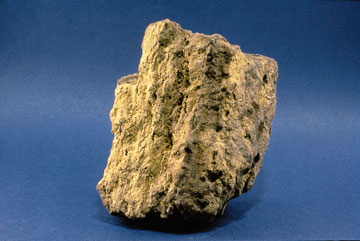


Common types and characteristics
The most widely used nuclear fuels are forms of uranium and plutonium. Natural uranium contains a small proportion of the fissile isotope uranium‑235; many commercial light‑water reactors operate on uranium that has been low‑enriched to raise the uranium‑235 fraction to a few percent. Plutonium‑239 is produced in reactors from fertile isotopes and can be used directly in some fuels or blended into mixed oxide (MOX) assemblies. Other materials and isotopes appear in specialist contexts, for example fuels enriched to higher levels for research reactors or different chemical forms for naval propulsion.
Forms, fabrication and assemblies
Fuel is engineered into geometries suitable for a given core and cooling system. A common form for power reactors is ceramic uranium dioxide formed into pellets, stacked in metal cladding tubes to make fuel rods, which are grouped into fuel assemblies and installed in a nuclear reactor. Alternative designs include small coated particles (TRISO) embedded in graphite, metal alloy fuels, pebbles in pebble‑bed reactors, and liquid fuels used in molten salt concepts. Fabrication balances neutronics, thermal conductivity, corrosion resistance and mechanical strength.
Fuel cycle and management
The nuclear fuel cycle covers mining and milling, chemical conversion, enrichment when required, fuel fabrication, irradiation in reactors, and back‑end steps such as wet storage, dry storage, reprocessing or geological disposal of spent fuel. Managing irradiated fuel involves shielding, decay heat removal, and decisions about recycling useful isotopes versus direct disposal. Breeder reactor designs and thorium fuel cycles aim to extend resource use by converting fertile isotopes into new fissile material.
Non‑reactor uses and notable examples
Not all nuclear fuels operate in reactors. Radioisotope heat sources use isotopes such as plutonium‑238 to produce steady thermal power for radioisotope thermoelectric generators, which have powered deep‑space probes and remote installations. Research reactors, naval propulsion and specialized experimental systems use tailored fuel forms and enrichment levels matched to their operating requirements.
Advanced concepts and materials
Research into advanced fuels explores higher burnup fuels, accident‑tolerant claddings, and fuels for fast reactors and molten salt systems. Thorium‑based cycles use thorium‑232 as a fertile material to breed fissile isotopes; breeders convert abundant fertile isotopes like uranium‑238 into fissile plutonium, improving resource utilization. Particle‑based fuels such as TRISO offer enhanced retention of fission products at very high temperatures.
Performance, safety and waste considerations
Nuclear fuels enable sustained, large‑scale electricity generation with low operational greenhouse gas emissions, but they require rigorous safety regimes. Key distinctions: fissile materials can sustain a chain reaction, fertile materials can be converted into fissile isotopes, and radioisotope fuels produce decay heat without chain reactions. Spent fuel remains radioactive and generates decay heat; its handling, interim storage and final disposition are central regulatory and policy issues. Reactor design, fuel choice and operational practices all influence radiological risk, accident tolerance and the quantities and types of waste produced.
- See also: uranium fuel characteristics
- See also: plutonium and MOX fuel
- Reference: nuclear reactor designs and fuel requirements
- Further reading on energy context: nuclear energy overview and comparison with chemical fuel
- Applications and devices: radioisotope thermoelectric generators and remote power
For technical specifics, materials testing and regulatory frameworks consult dedicated engineering and policy sources; this article summarizes widely established concepts and distinctions for readers seeking an introduction to nuclear fuel and its role in energy production.
Additional technical and historical context on reactor‑produced isotopes and fuel recycling is available in specialist literature and through authoritative institutional summaries such as those that detail reactor operation, fuel performance testing and back‑end management strategies (fission physics, reactor technology).
Questions and answers
Q: What is nuclear fuel?
A: Nuclear fuel is a material that can be consumed to generate nuclear energy, similar to how chemical fuel is burned for energy.
Q: How does nuclear fuel differ from chemical fuel?
A: Nuclear fuel is more dense and powerful compared to chemical fuel.
Q: What are fissile elements?
A: Fissile elements are heavy elements that can undergo nuclear fission chain reactions in a nuclear reactor.
Q: What are the most common nuclear fuels used in reactors?
A: The most common nuclear fuels used in reactors are uranium and plutonium.
Q: Are all nuclear fuels used in reactors?
A: No, not all nuclear fuels are used in reactors. Some nuclear fuels are utilized in powering radioisotope thermoelectric generators.
Q: What is the advantage of using nuclear fuel?
A: The advantage of using nuclear fuel is that it is the most dense source of energy available.
Q: What are the environmental implications of using nuclear fuel?
A: The environmental implications of using nuclear fuel include radioactive waste management and the potential danger of nuclear accidents.
Related articles
Author
AlegsaOnline.com Nuclear fuel: types, properties, and role in energy production Leandro Alegsa
URL: https://en.alegsaonline.com/art/71359
Sources
- world-nuclear.org : Nuclear Fusion Power WNA