
Pistacia lentiscus (mastic tree) — Mediterranean shrub valued for its resin
Pistacia lentiscus, the mastic tree, is an evergreen Mediterranean shrub whose aromatic resin 'mastic' is harvested for culinary, medicinal, cosmetic and industrial uses and has cultural importance on Chios.
Overview
Pistacia lentiscus is an evergreen shrub or small tree commonly known as the mastic tree. Its aromatic resin gave rise to the name Greek 'mastíkha'. It belongs to the Pistacia genus and is characteristic of the Mediterranean Sea region, where it grows on coastal slopes and rocky soils. One of the best-known centres for its cultivation and resin production is the island of Chios in the Aegean Sea, where a traditional set of villages historically specialized in producing the resin.
Image gallery
7 Images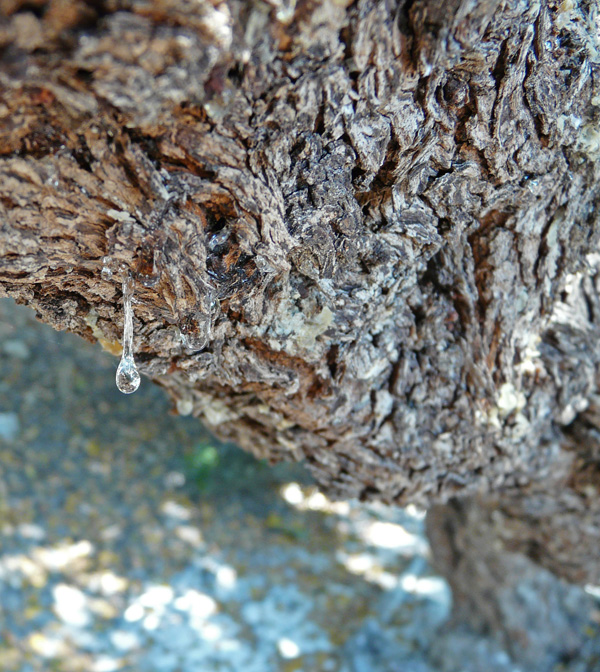


Characteristics and cultivation
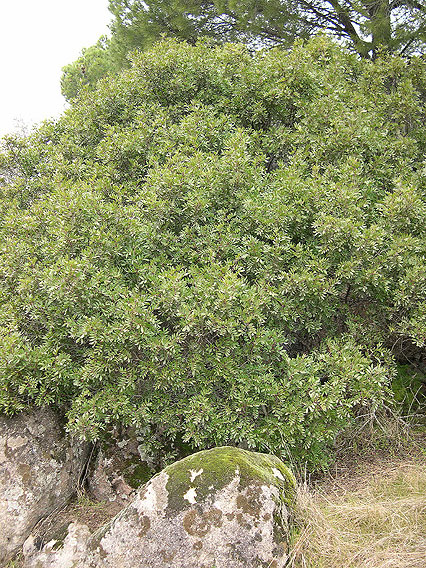
The plant is a low, bushy evergreen with glossy pinnate leaves and small, inconspicuous flowers. Pistacia species are generally dioecious (separate male and female plants); P. lentiscus tolerates drought, wind and poor soils, making it suited to Mediterranean scrub and maquis. It is propagated by seed or cuttings and is often kept in hedgerows or small groves where the microclimate and soil favor resin production.
Harvesting and production
The sticky exudate appears when the bark is intentionally scored; small globs of sap dry into hard translucent "tears." These are collected by hand in a labour-intensive process, cleaned and often further processed. The tree’s resin, commonly known as mastic, has been produced for centuries. In Chios the industry is historically concentrated in the area known as the Mastichochoria, and the distinctive product from this island has protected status in many markets.
Uses and importance
Mastic resin has a wide range of uses. In food it is used as a chewing gum base, a spice and a flavouring for sweets and liqueurs. Traditional and complementary medicine exploits mastic for digestive and oral-care preparations; contemporary research examines its antimicrobial and anti-inflammatory properties. Beyond culinary and medicinal roles, mastic finds applications in industry: in varnishes, cosmetics, perfumery and specialty adhesives, where its aromatic and binding qualities are valued.
History, culture and distinctions
Pistacia lentiscus and its resin have been part of Mediterranean economies and material culture since antiquity, prized both for practical uses and as a traded commodity. The mastic-producing areas developed cooperative systems and customs around collection and processing. The species should not be confused with the edible pistachio tree, Pistacia vera; although related, they differ in habit, fruit and traditional uses. Today P. lentiscus continues to be cultivated both for local crafts and for niche international markets that value natural resins.
Further notes
- Ecology: contributes to coastal scrub habitats and can assist with erosion control.
- Economic role: small-scale, often family- or village-based production supports rural livelihoods.
- Quality: resin properties vary with climate, soil and harvesting technique, factors that shape traditional terroir claims.
For general botanical context see the Mastichochoria and related Greek traditions, and for comparative study consult references on the Pistacia genus and regional Mediterranean flora.
Related articles
Author
AlegsaOnline.com Pistacia lentiscus (mastic tree) — Mediterranean shrub valued for its resin Leandro Alegsa
URL: https://en.alegsaonline.com/art/77104