
Plant anatomy: internal structure, tissues, and methods
Survey of plant anatomy: the study of internal structure, major tissue systems, cell types, developmental zones and techniques used to examine plants at the microscopic level.
Overview
Plant anatomy, sometimes called phytotomy, examines the internal structure of plants at the tissue and cellular levels. It is distinct from plant morphology, which focuses on external form and organ arrangement; see plant morphology for contrasts. Anatomical study reveals how parts such as roots, stems and leaves are organized and how cells are specialized for functions like support, transport and photosynthesis. Many investigations rely on optical instruments; for more on tools and imaging see microscopy resources.
Image gallery
6 Images



Major tissue systems and cell types
Most vascular plants are built from three primary tissue systems. Each system contains characteristic cell types and arrangements:
- Dermal tissue: outer protective layers including epidermis and, in woody plants, periderm.
- Vascular tissue: xylem and phloem that conduct water, minerals and sugars throughout the plant.
- Ground tissue: supportive and metabolic tissues such as parenchyma, collenchyma and sclerenchyma.
Specialized cells include guard cells around stomata, tracheary elements in xylem, sieve elements in phloem and various secretory or storage cells.
Development, growth and notable structures
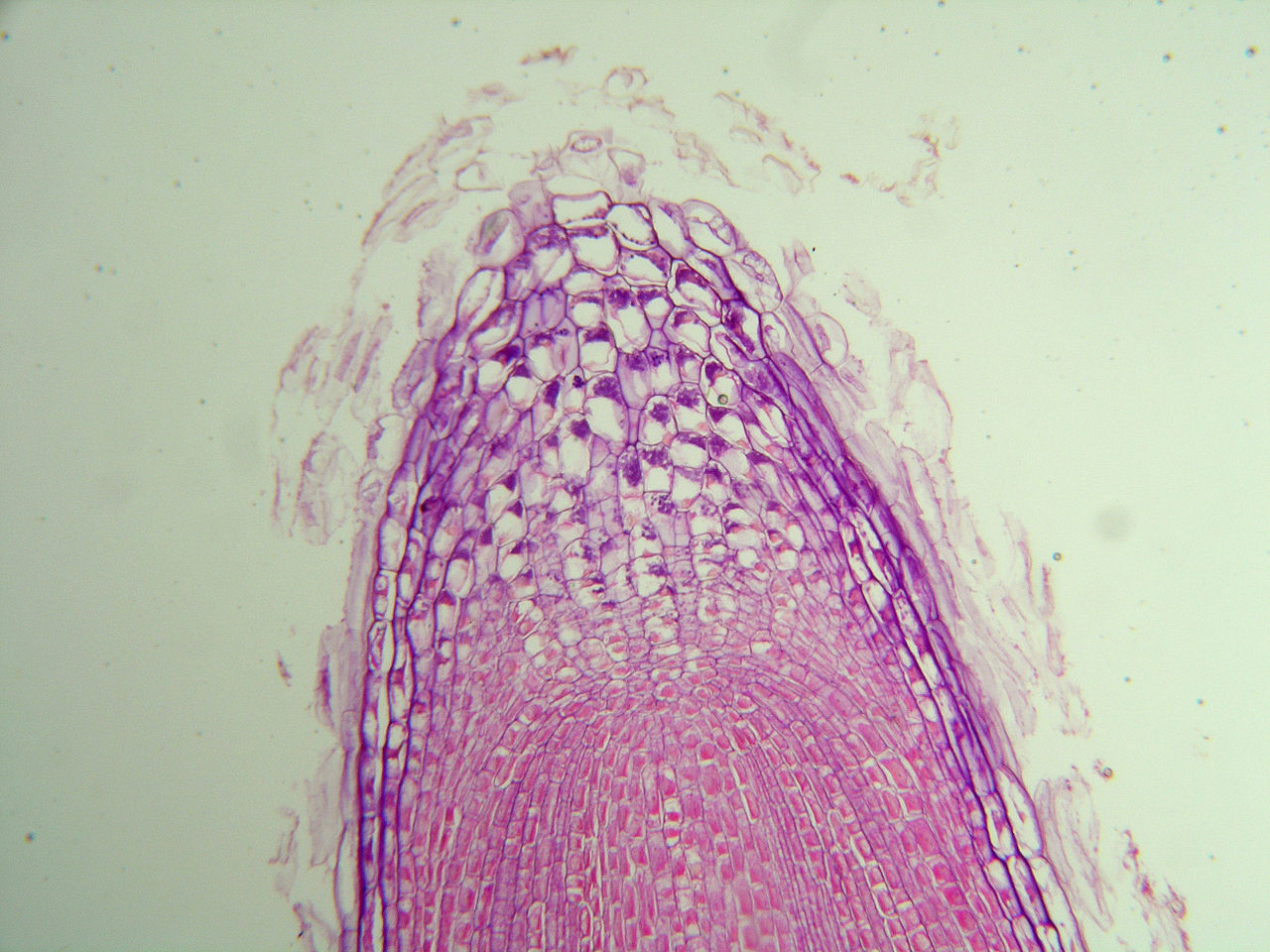
Plant anatomy is closely tied to developmental zones. Meristems are regions of active cell division that generate primary tissues; in many species a vascular cambium produces secondary xylem and phloem, leading to stem thickening. Root and shoot anatomies reflect functional demands: roots emphasize absorption and anchorage, stems provide support and transport, leaves optimize light capture and gas exchange.
Methods and practical importance
Standard methods include sectioning, staining and light microscopy; electron microscopy and modern imaging add higher resolution. Anatomical knowledge underpins agriculture, forestry, horticulture and pharmacognosy by informing breeding, disease diagnosis and resource management. For historical and technical context, consult sources on internal structure.
Distinctions and useful facts
Plant anatomy overlaps with cell biology and physiology but remains focused on organization and structure. Comparative anatomical studies help distinguish taxa, understand evolutionary adaptations and interpret fossil plants. While macroscopic observation describes form, anatomy explains how that form is built and maintained.
Related articles
Author
AlegsaOnline.com Plant anatomy: internal structure, tissues, and methods Leandro Alegsa
URL: https://en.alegsaonline.com/art/77279
Sources
- books.google.com : page xv