
Mastic: the resin of the mastic tree (Pistacia lentiscus)
Mastic is a natural resin from Pistacia lentiscus used as a flavoring, chewing gum, traditional remedy and industrial ingredient; closely associated with the Greek island of Chios and distinct from gum arabic.
Overview
Mastic is a plant-derived resin produced by the evergreen shrub Pistacia lentiscus. Often known by its Greek name Μαστίχα (Mastika), it exudes from the tree as a sticky liquid and hardens into characteristic small translucent ‘‘tears.’’ The species grows in the Mediterranean region and is harvested in several countries, but it is most famously associated with the Greek island of Chios. In trade and some shops the product may be labeled in various ways; it should not be confused with gum arabic, a different exudate from Acacia trees.
Image gallery
7 Images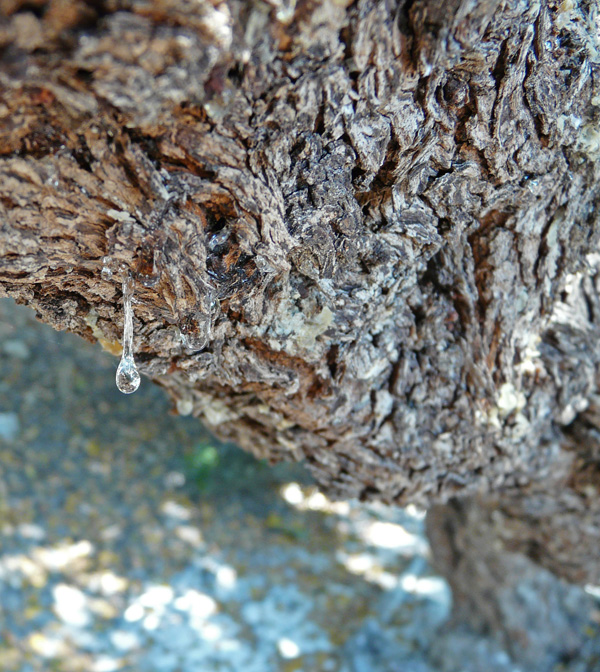


Characteristics and composition
The resin is produced by Pistacia lentiscus and contains a mix of volatile essential oils, triterpenes and a resinous polymeric fraction that gives it chewable body. When first collected the substance is soft and sticky; after drying it becomes hard and glassy. When chewed it softens and turns opaque, often described as a white, elastic gum. Some describe its aroma as mildly pine- or cedar-like with an initially bitter note that mellows with chewing.
Harvesting and production
Harvesting is a manual process. Small incisions or abrasions are made in the tree bark to encourage the sap to flow; droplets fall or are collected from the bark and ground, then are cleaned and sun-dried until they form hard ‘‘tears.’’ Traditional producing areas develop specialized techniques to protect trees and maintain yields. On Chios there is a regional industry and cultural tradition around mastic cultivation, with designated villages and long-standing artisanal know-how.
- Typical steps: making controlled cuts; collecting exuded sap; drying and sorting.
- Forms sold: raw tears, powdered resin, essential oil, and glycerinated extracts or tinctures used in food and cosmetics.
Uses and cultural importance
Mastic has a broad range of uses. It is chewed as a natural gum and used as a flavoring in confections, ice creams and baked goods across eastern Mediterranean and Middle Eastern cuisines. It flavors traditional liqueurs and some regional spirits. Beyond food, it appears in perfumery, cosmetics, varnishes and certain adhesives. In the history and economy of its producing regions, particularly Chios, mastic has had notable cultural and commercial importance and has been the subject of trade regulation and geographic protection.
- Food and drink: flavoring for sweets, ice cream and spirits.
- Chewing: traditional breath-freshener and natural gum.
- Industrial: fragrances, varnishes and cosmetic formulations.
Medicinal use and modern research
Used in folk medicine for digestive complaints and oral hygiene, mastic has attracted scientific interest. Research has explored antimicrobial and anti-inflammatory properties of its essential oil and resin fractions; preliminary studies indicate activity against certain oral bacteria and possible benefits for gastrointestinal comfort, though evidence varies and is an active area of investigation. Mastic is also sold in pharmacies and natural product stores for traditional uses and specialty formulations.
Distinctions and notable facts
It is important to distinguish mastic from other plant gums. Pharmacies sometimes refer to it by common names that can cause confusion; instead, identify it by botanical source or by the island trade name. The mastic of Chios is especially prized and has received formal recognition as a protected regional product in the European system, reflecting its cultural heritage and unique production practices. For further general resources about the plant and its uses consult authoritative botanical or culinary references and regional producers.
Related terms and references: resin, pharmacies, Greek, opaque.
Related articles
Author
AlegsaOnline.com Mastic: the resin of the mastic tree (Pistacia lentiscus) Leandro Alegsa
URL: https://en.alegsaonline.com/art/62746
Sources
- peptiko.gr : "Chios mastic gum for stomach pain"