
Plant cutting — vegetative propagation by cuttings
Plant cutting is a common method of asexual propagation where a piece of a parent plant is encouraged to form roots and grow as an independent clone; used widely in horticulture and agriculture.
Overview
Plant cutting is a straightforward method of vegetative (asexual) propagation in which a portion of a plant is removed and placed into a growing medium so it develops into a new, independent individual. The removed piece usually contains at least one node or bud capable of producing roots or shoots. This approach produces clones of the parent plant and is widely used for maintaining desirable traits, multiplying ornamentals, and propagating many fruit, shrub, and houseplant species. For an introduction to the technique see technique overview.
Image gallery
10 Images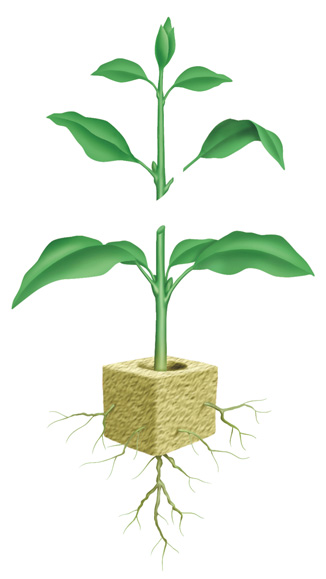




Common types and key parts
Cuttings are classified by the plant part used and by timing: stem cuttings (softwood, semi-ripe, hardwood), leaf cuttings (single leaves or leaf sections), leaf-bud cuttings, and root cuttings. A successful cutting normally contains a node (source of buds), some stem tissue, and intact vascular tissue to transport water and nutrients. Roots form from cells called adventitious roots, not from the existing root meristem. Basic information on the physiological basis of rooting is available at plant physiology resources and specific methods for media and humidity are covered at practical guides.
Procedure and growing media
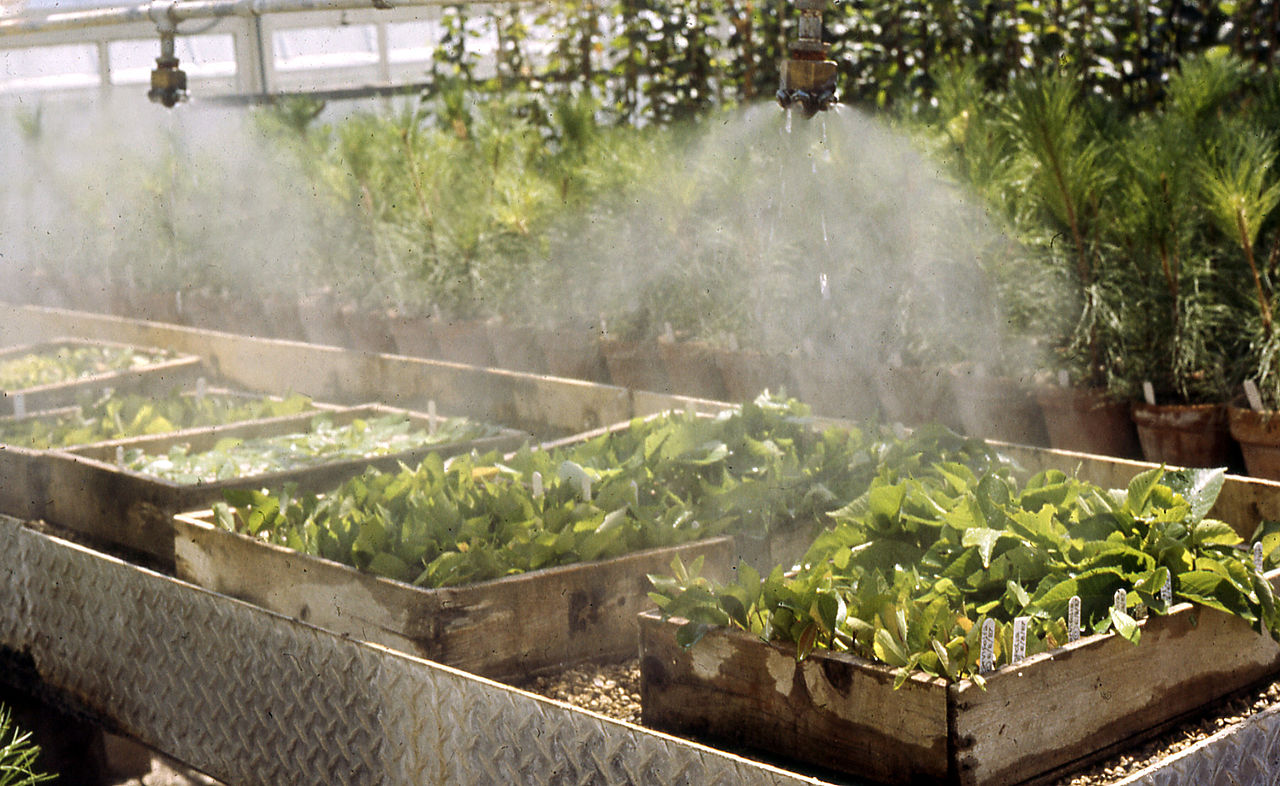
Typical steps include: selecting healthy parent material, cutting just below a node, removing lower leaves, optionally wound the base to stimulate rooting, dipping in a rooting hormone when appropriate, and inserting into a moist, well-draining medium. Common media include potting mix, coir, vermiculite, or rock wool. Maintaining moderate humidity, warm temperatures, and bright indirect light accelerates root formation. For media comparisons and troubleshooting, consult media choices.
History, uses and importance
Propagating plants by cuttings is an ancient practice used by gardeners and farmers for centuries to preserve cultivars and speed reproduction. Today it remains central to commercial nursery production and home gardening because it is fast, inexpensive, and preserves genetic characteristics such as flower form or fruit quality. Common examples include roses, grapevines, many houseplants, and succulents.
Benefits, limitations and notable considerations
Advantages include genetic uniformity, predictability, and often faster fruiting or flowering compared with seed-grown plants. Limitations include the potential spread of diseases from parent to offspring, reduced genetic diversity, and variable success rates between species. Rooting is often aided by auxin-based hormones, careful sanitation, and suitable environmental control. For further reading on propagation research and best practices, see propagation research and advanced techniques.
Related articles
Author
AlegsaOnline.com Plant cutting — vegetative propagation by cuttings Leandro Alegsa
URL: https://en.alegsaonline.com/art/77284
Sources
- hydroponicist.com : Winterborne J, 2005. Hydroponics - Indoor Horticulture