
Pío Baroja: Spanish novelist of the Generation of '98
Biography and overview of Pío Baroja (1872–1956), his life, literary style, major works and legacy within the Generation of '98 and Spanish letters.
Pío Baroja y Nessi was a leading Spanish novelist associated with the Generation of '98. Born on 28 December 1872 and registered in the year 1872, he came from San Sebastián (San Sebastián) and died on 30 October 1956 in Madrid. He is widely remembered for a prolific output of fiction that reacted to Spain's social and cultural crises at the turn of the 20th century. Contemporary descriptions identify him simply as a Spanish writer and one of the principal novelists of his generation.
Image gallery
3 Images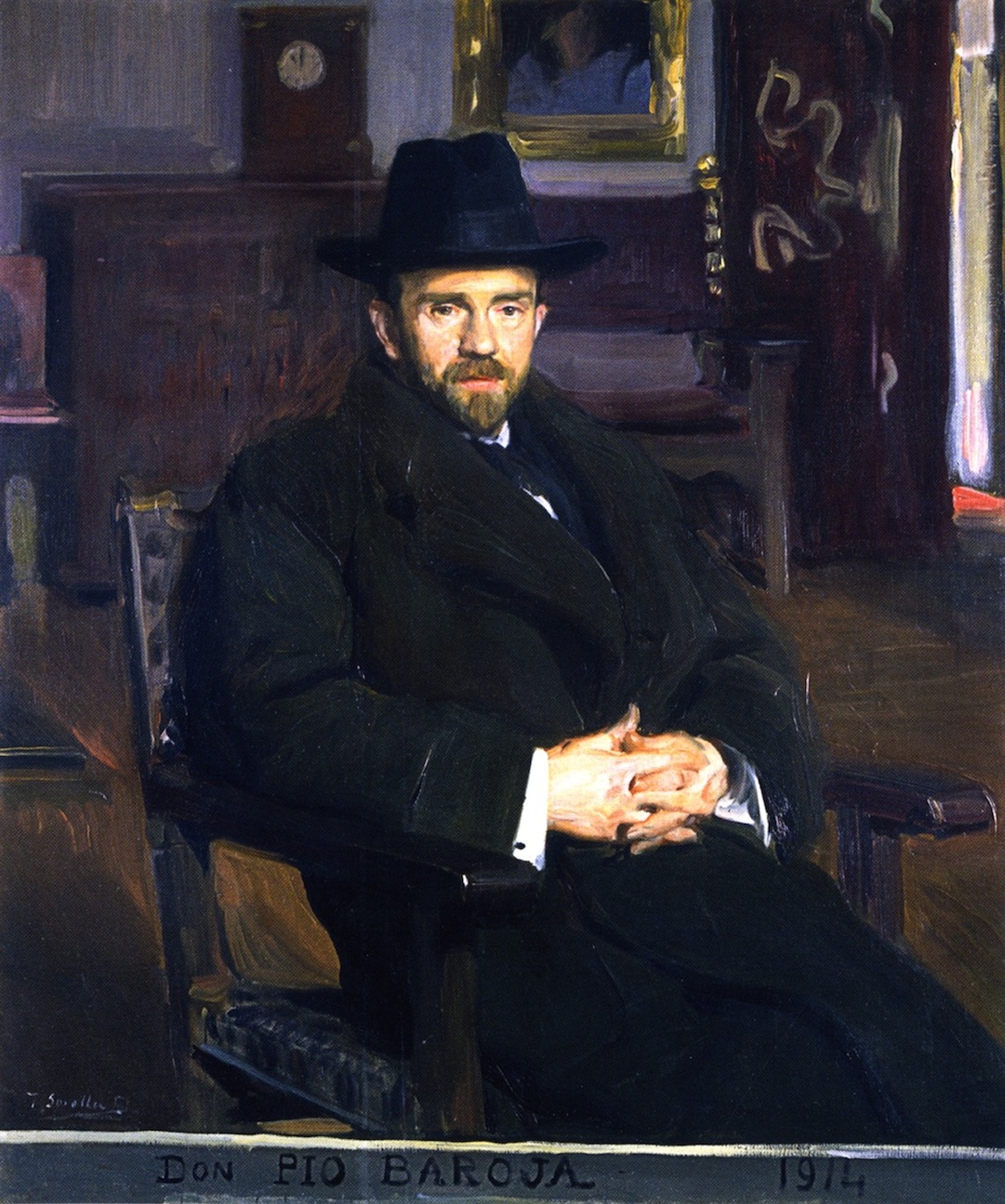


Life and background
Baroja trained in medicine and completed his studies in Madrid before deciding to concentrate on literature. He belonged to an intellectually active family: one of his relatives was known as a painter and engraver, and his nephew, the anthropologist Julio Caro Baroja, later gained recognition in his own field. Baroja's life bridged provincial Basque roots and the literary circles of the Spanish capital.
Style and themes
Baroja's prose is notable for its directness, brisk pacing and skeptical tone. He often explored alienation, the limits of knowledge and the failures of social institutions, presenting protagonists who are solitary, practical and sometimes fatalistic. His narratives favor vivid scene-setting and episodic structure over ornate language, a choice that helped define the austere realism associated with the Generation of '98.
Major works
Among Baroja's best-known books are historical adventures and reflective novels that examine contemporary Spain. Titles frequently mentioned in surveys of Spanish literature include the adventurous novel Zalacaín el aventurero, the semi-autobiographical trilogy often grouped under La lucha por la vida, and the philosophical novel El árbol de la ciencia. These works mix social observation with character sketches and episodic plotting.
Legacy and reception
Baroja influenced subsequent Spanish writers through his emphasis on clarity and moral inquiry. Critics and readers have praised his narrative energy and candid depiction of provincial and urban life, while sometimes debating his pessimism or apparent disdain for certain institutions. Scholarly attention situates him within debates about modernity, national identity and the role of the novelist in times of change.
Further reading and resources
- General biography and timelines
- Collected editions and bibliographies
- Critical studies and annotated works
- Primary texts and selected translations
For readers discovering Baroja today, his work offers a window into early 20th-century Spain: a mixture of regional color, skeptical inquiry and narrative drive that continues to interest students of literature, history and cultural change.
Related articles
Author
AlegsaOnline.com Pío Baroja: Spanish novelist of the Generation of '98 Leandro Alegsa
URL: https://en.alegsaonline.com/art/77024