
San Sebastián (Donostia): coastal city in the Basque Country
San Sebastián (Donostia) is a coastal city in Spain's Basque Country, capital of Gipuzkoa, famed for La Concha bay, beaches, Basque culture, world-class gastronomy and an international film festival.
San Sebastián (Spanish: San Sebastián; French: Saint-Sébastien; Basque: Donostia) is a coastal city and municipality in the Basque Country of northern Spain. It sits on the shore of the Bay of Biscay, about 20 km from the French border, and is the capital of the province of Gipuzkoa. As a municipality within the autonomous Basque Country and the state of Spain, it had a population of roughly 186,000 in 2012; residents commonly call themselves donostiarra.
Image gallery
10 Images
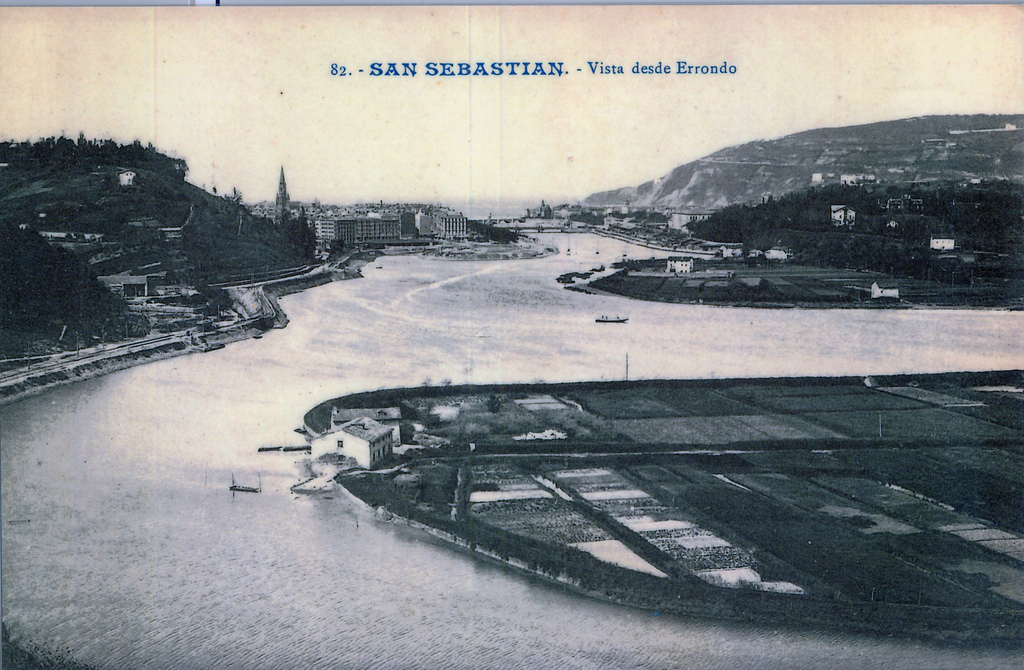

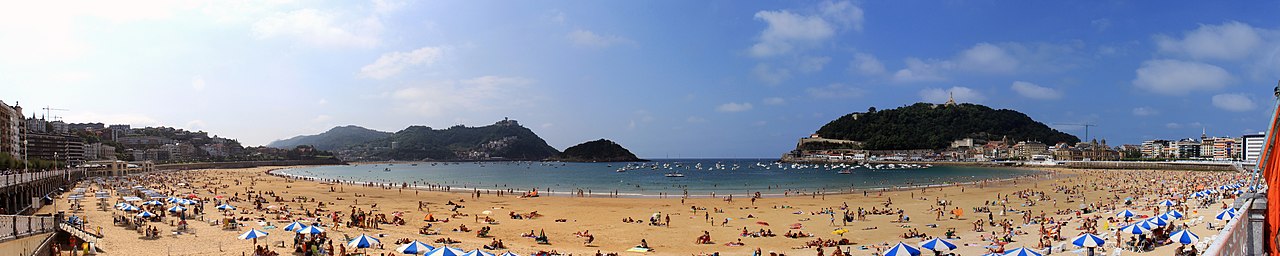


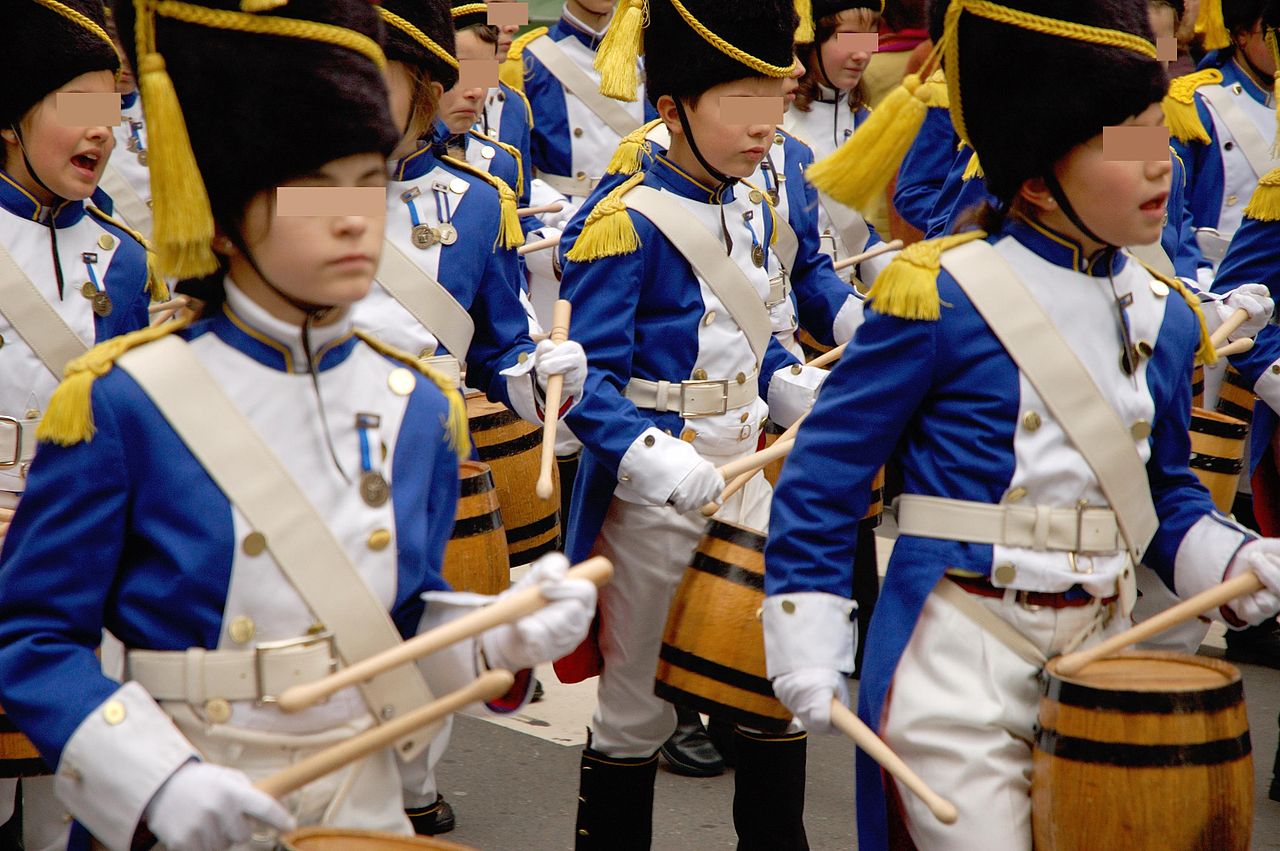


Geography and urban form
The city is famously set around the shell-shaped La Concha bay, bounded by headlands, beaches and low wooded hills. A compact historic core opens onto broad promenades and waterfronts, while neighbourhoods extend along river valleys and coastal terraces. The combination of beaches, promenades and nearby green hills gives San Sebastián a distinctive urban and maritime character that influences leisure, transport and land use. Visitors and researchers often describe it simply as a coastal city with strong local identity.
History and development
San Sebastián developed from a medieval settlement into an important local port and, from the 19th century, a fashionable resort frequented by Spanish and European visitors. The town's strategic location near the border meant it experienced commercial growth alongside episodes of conflict and reconstruction. In recent decades the city has invested in conservation and cultural institutions and has promoted tourism and services while maintaining elements of Basque language and traditions. Municipal information and administrative details are available from official sources and local institutions such as municipal records.
Culture, language and gastronomy
San Sebastián is widely recognised for its culinary culture. A dense network of pintxo bars, traditional markets and high‑quality restaurants attracts both domestic and international visitors. The city supports Basque-language education and cultural associations alongside Spanish-language institutions. Annual events, museums and performing arts venues play a central role in public life and in the city’s cultural economy.
Economy, transport and contemporary role
The contemporary economy mixes tourism, services, administration and specialised industry. San Sebastián is connected by road and rail to other Basque cities and to France, and local transport links serve a compact urban area oriented towards the sea. The city is also the focus of studies in urban regeneration and regional identity, balancing conservation of historical quarters with contemporary cultural programming and infrastructure investment. For guidance on language use and local custom see Basque usage resources such as Donostia entries and municipal notices.
Main attractions and events
- La Concha and Ondarreta beaches and the seaside promenades, popular for walking, bathing and views.
- The old town with narrow streets, bars and markets where local produce and pintxos are central.
- International cultural events, including a well-known film festival and various music and arts programmes.
- Architectural and landscape features that combine 19th-century resort buildings with modern civic projects.
Readers seeking administrative, historical or visitor information can consult regional guides and official publications; basic municipal and cultural references are available through local portals and the regional government, which provide further details on demographics, planning and events.
Additional authoritative background and practical information are provided by tourism offices and cultural institutions that document the city’s festivals, gastronomy and bilingual public life.
Questions and answers
Q: What is San Sebastián?
A: San Sebastián is a coastal city and municipality in the Basque Country, Spain.
Q: What are the languages spoken in San Sebastián?
A: The languages spoken in San Sebastián are Spanish, French, and Basque.
Q: Where is San Sebastián located?
A: San Sebastián is located on the coast of the Bay of Biscay, 20 km (12 miles) from the French border.
Q: What is the population of San Sebastián?
A: As of 2012, the population of San Sebastián is 186,409.
Q: What is the capital of Gipuzkoa?
A: San Sebastián is the capital of Gipuzkoa.
Q: What do locals call themselves in San Sebastián?
A: Locals in San Sebastián call themselves donostiarra (singular) in both Spanish and Basque.
Q: What is the Basque name for San Sebastián?
A: The Basque name for San Sebastián is Donostia.
Related articles
Author
AlegsaOnline.com San Sebastián (Donostia): coastal city in the Basque Country Leandro Alegsa
URL: https://en.alegsaonline.com/art/86923
Sources
- diariovasco.com : Donostia (Basque) / San Sebastián (Spanish)
- buscon.rae.es : Donostiarra