
Pir Sultan Abdal: Alevi poet, singer and cultural emblem
Pir Sultan Abdal (traditionally placed in the late 15th–early 16th century) is a central figure in Alevi folk-poetic tradition, known for Turkish-language songs on spirituality, social justice, love and resistance.
Overview
Pir Sultan Abdal is remembered as a leading voice in the Alevi devotional and folk-poetic tradition of Anatolia. Traditionally dated to the late 15th and early 16th centuries, he composed and performed in Turkish and became an emblem of Alevi identity. He is associated in collective memory with regions of modern-day Turkey, where his songs and poems circulated among villagers, itinerant minstrels and community gatherings.
Image gallery
2 Images
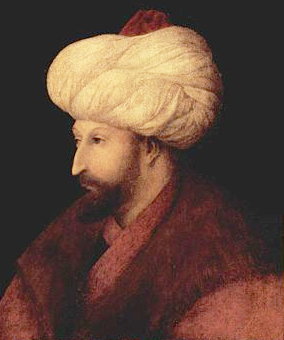
Language, style and audience
His attributed verses are noted for direct, plainspoken diction and a strong folk idiom. The language and rhythms make many poems suitable for musical performance with traditional stringed instruments. This accessibility helped his repertoire reach diverse listeners: many accounts stress his continuing popularity among ethnic Turks, Kurds and some non-Alevi audiences. Commentators highlight the clear expressive style that made themes readily understandable.
Themes and concerns
Poems attributed to Pir Sultan Abdal explore spiritual longing, ethical reflection and social critique. Recurring topics include communal life, injustice, poverty and the dignity of ordinary people. He is often read as a humane or humanist voice who wrote on love, peace, mortality and relations with the divine. These motifs are shaped by Alevi ritual values and popular cultural forms.
Historical context and contested biography
Biographical details are fragmentary and mediated through oral tradition. Traditional narratives portray him as critical or rebellious toward local authorities and sometimes in tension with the ruling order of his era, commonly referred to in sources as the Ottoman Empire. Because many poems were transmitted orally, authorship and precise dating remain subjects of scholarly caution.
Transmission, music and legacy
Most material attributed to him survived through ashik singers and communal performance; later poets and singers sometimes added to the repertoire. His work appears in Alevi ritual contexts and in broader folk repertoires, and it has been invoked in modern commemorations, cultural revivals and discussions of social justice. Scholars and enthusiasts continue to collect and study collections that address his language and form (Turkish) and the social and social and cultural history of Anatolian song traditions.
Notable aspects
- Oral transmission means many poems are attributed to him without conclusive authorship.
- His work bridges devotional practice, music and social critique, important in both religious and secular contexts.
- Pir Sultan Abdal functions as a cultural symbol in Alevi memory and in wider debates about dissent in Anatolian history.
Related articles
Author
AlegsaOnline.com Pir Sultan Abdal: Alevi poet, singer and cultural emblem Leandro Alegsa
URL: https://en.alegsaonline.com/art/77064
Sources
- turkishclass.com : Turkishclass.com - Poem 204