
Piotr Bikont: Polish journalist, translator, theatre director and food critic
Polish journalist, publicist, theatre director and culinary critic (1955–2017). Known for translating Art Spiegelman's Maus into Polish, writing about Jewish cuisine, and contributing to Kraków's cultural scene.
Overview
Piotr Bikont (12 May 1955 – 27 June 2017) was a multifaceted Polish cultural figure: a journalist and publicist, a theatre director, a culinary critic and a translator. Born in Łódź, he became known for blending reporting, criticism and creative projects across print, radio and stage. His work connected discussions of food, culture and memory in late 20th and early 21st century Poland.
Image gallery
1 Image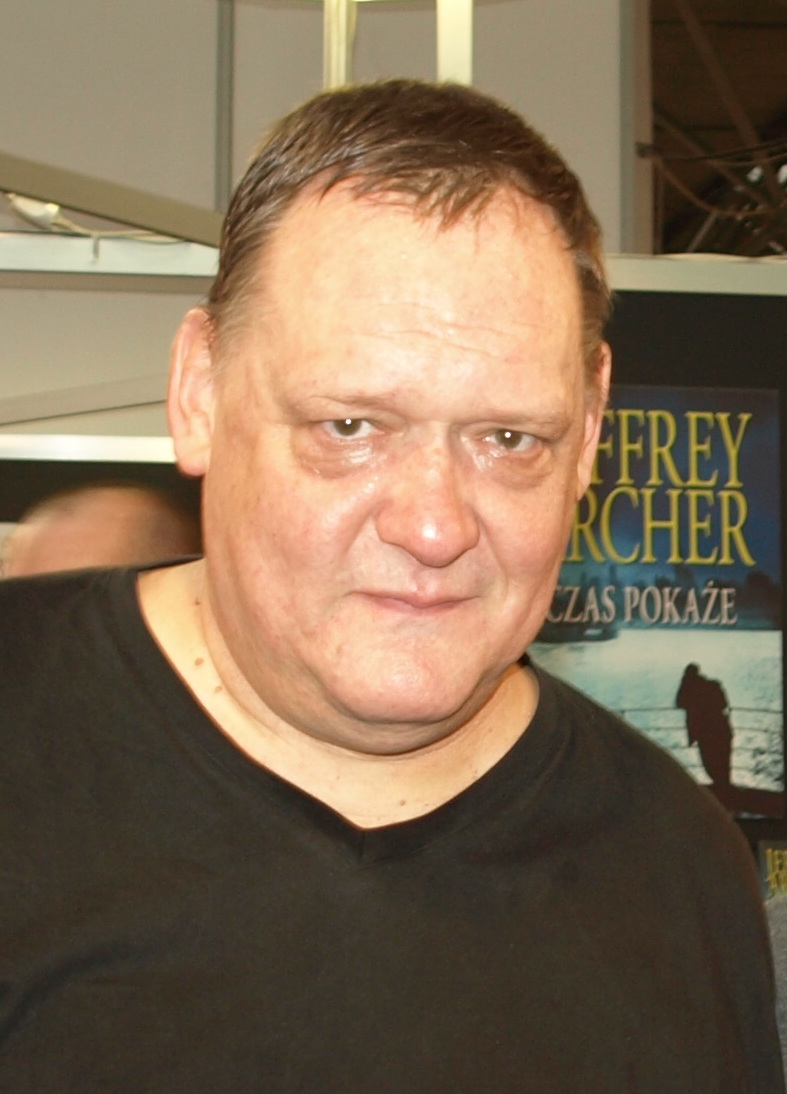
Career and notable roles
Bikont worked as a journalist and editorial contributor to alternative and cultural publications. He belonged to the editorial staff of the talk-format magazine Gadający Pies, based in Kraków, where he participated in conversations that mixed reportage, commentary and cultural review. He also directed theatrical productions and wrote essays on social and culinary topics.
Translation and literary activity
One of Bikont's best-known contributions was his Polish translation of Art Spiegelman's Maus, a graphic novel about the Holocaust. Translating a major international work into Polish brought the book to a wider domestic readership and tied Bikont's name to a project of cultural and historical significance. He translated and adapted material for Polish readers while engaging with questions of representation and memory.
Culinary writing and publications
As a culinary critic and author, Bikont explored food as a cultural and historical subject. He wrote a book on Jewish cooking inspired by a character he called Balbina Przepiórko, presenting recipes, memories and commentary that reflect on Jewish culinary traditions in Poland and their place in contemporary life. His writing combined practical description with cultural context.
Legacy and death
Bikont remained an active presence in Poland's cultural circles until his sudden death in a car accident near Warsaw on 27 June 2017, aged 62. Colleagues remembered him for his curiosity, versatility and willingness to cross boundaries between journalism, theatre and gastronomy. His translations and culinary writing continue to be referenced by readers and scholars interested in post-communist Polish culture and Jewish culinary heritage.
Key aspects
- Journalism and public commentary — contributions to cultural magazines and broadcasts (profile and articles).
- Theatre work — direction and stage projects linking narrative and performance.
- Translation — Polish edition of Maus and other translation work.
- Culinary writing — books and criticism focusing on Jewish and regional cuisines.
Related articles
Author
AlegsaOnline.com Piotr Bikont: Polish journalist, translator, theatre director and food critic Leandro Alegsa
URL: https://en.alegsaonline.com/art/77039
Sources
- books.google.com : Frames of Remembrance: The Dynamics of Collective Memory By Iwona Irwin Zarecka
- books.google.com : Video Shooter: Storytelling with DV, HD and HDV Cameras By Barry Braverman
- books.google.com : The New Yorker, F-R Publishing Corporation, 1992
- jewishfestival.pl : Meeting with Piotr Bikont - "Jewish Cooking According to Balbina Przepiórko"
- wyborcza.pl : Piotr Bikont, dziennikarz i krytyk kulinarny, nie żyje