
Picture book
A concise guide to picture books: their form, history, creators, uses for children and adults, notable examples, and how they differ from illustrated or chapter books.
Overview
A picture book is a published work that tells a story or conveys information through a close partnership between text and images. While picture books are most commonly produced for young children, the format also serves readers of all ages and can be used for biography, poetry, and concept books. The balance between words and images is central: neither element merely decorates the other, but together they create meaning and pacing that a single medium alone cannot achieve.
Image gallery
6 Images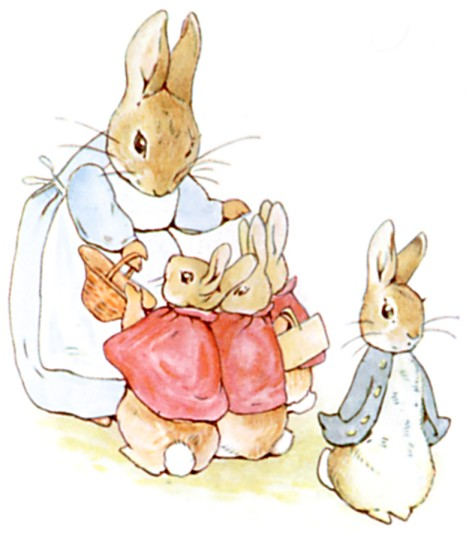


Characteristics and structure
Picture books vary in length and format, but they share several defining features. Pages often feature full-bleed or framed illustrations that establish setting, mood, character expression, and action. Text may be short and rhythmic, or denser for older audiences; typography and page turns are treated as part of the storytelling device. Important structural elements include the title page, front- and back-matter, and deliberately designed spreads where two facing pages work as a single canvas.
- Integration of image and text to advance plot or concept.
- Economy of language with visual elaboration.
- Sequential pacing, often with repeated motifs or refrains.
- Illustration techniques: watercolor, pen and ink, collage, digital art, or mixed media.
History and development
The idea of combining pictures with text for learners and children has roots in early pedagogical works such as John Amos Comenius's Orbis Pictus (1658), which paired images and explanations to teach vocabulary. In English-language publishing, illustrated narrative works gained prominence in the 19th century; Lewis Carroll's Alice's Adventures in Wonderland (1865) with John Tenniel's engravings is a landmark example. The modern picture book as we recognize it took shape in the late 19th and early 20th centuries with creators like Beatrix Potter, who produced self-illustrated tales such as The Tale of Peter Rabbit (1902). Through the 20th century, titles like Make Way for Ducklings, The Cat in the Hat, and Where the Wild Things Are broadened the market and artistic possibilities for the format.
Uses, audiences, and importance
Picture books support early literacy by connecting spoken language to visual context, helping children learn vocabulary, narrative structure, and emotional literacy. They are tools for caregivers and educators to introduce concepts (numbers, colors, feelings), cultural stories, and moral dilemmas. Beyond early childhood, many picture books are valued by collectors, scholars, and adults who appreciate illustration art and poetic storytelling. Libraries, schools, and family reading routines commonly use picture books for read-aloud sessions, group discussion, and curriculum integration.
Notable distinctions and modern trends
Picture books are distinct from illustrated chapter books, which separate text and supporting imagery, and from graphic novels, which use sequential panels and speech balloons. Contemporary trends include diverse authorship and representation, wordless picture books that rely entirely on imagery, and hybrid forms that experiment with interactive or digital features. Artists now work across traditional and digital media, and small presses have expanded the range of styles and voices available.
Selected examples and further resources
- The pedagogical precedent: Orbis Pictus
- Victorian milestone: Alice's Adventures in Wonderland with John Tenniel's illustrations
- Early 20th century: The Tale of Peter Rabbit by Beatrix Potter
- American classics: Make Way for Ducklings, The Cat in the Hat, Where the Wild Things Are
- Formats and teaching guides: picture-book pedagogy, illustration techniques
- Contemporary creators and awards: modern illustrators, award-winning titles
- Collections and archives: museum collections, library catalogues
- Production and publishing: editorial processes, small presses, digital picture books
For readers and researchers, picture books offer a rich intersection of art, language, and education. Whether encountered at storytime, in a classroom, or on a collector's shelf, they remain a vital and evolving form of published storytelling.
Related articles
Author
AlegsaOnline.com Picture book Leandro Alegsa
URL: https://en.alegsaonline.com/art/76751