
Watercolour (watercolor, aquarelle): techniques, materials and history
Watercolour is a painting medium using water-soluble pigments on paper. This article explains materials, techniques, historical traditions, common uses and how it differs from other painting media.
Overview
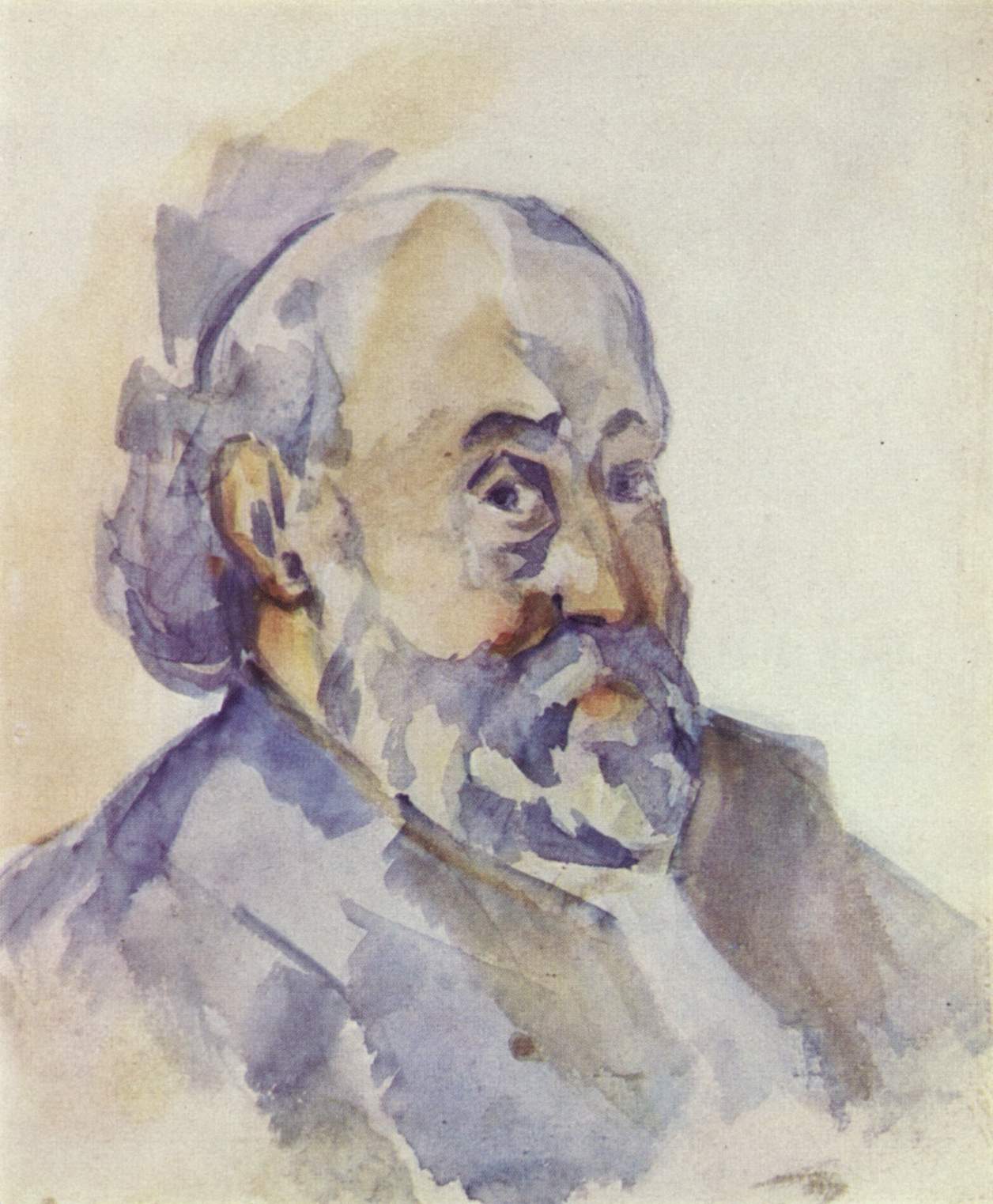
Watercolour (British: watercolour; US: watercolor; French: aquarelle) denotes paintings made with pigments suspended in a water-based binder and applied to an absorbent support. A watercolour image depends on the transparency of the colour and the white of the paper to provide highlights, so artists plan layers and preserve unpainted areas rather than rely on opaque paint to recover highlights. The term covers a wide range of approaches from delicate botanical studies to bold, spontaneous sketches and finished works.
Image gallery
10 Images




Materials and characteristics
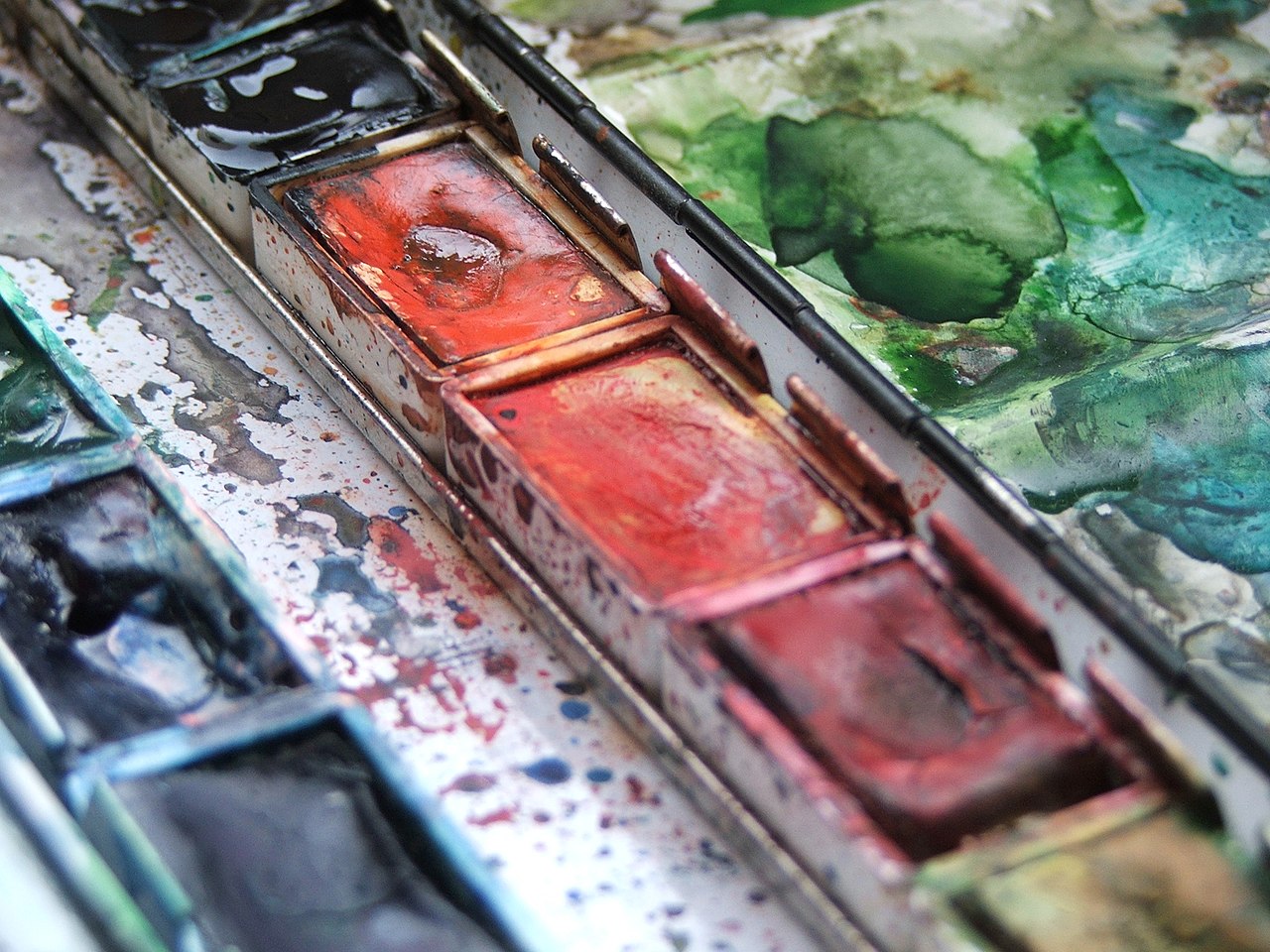
The essential components are the pigment, a binder (commonly gum arabic), water and a suitable support such as rag paper or board. Traditional pigments come from minerals, synthetic compounds and organic sources including plant-derived dyes; see examples of organic pigments in historical practice such as those derived from plants (plant pigments). Watercolour pigments are often sold as dry pans or cakes and as tube colours; the compact solid form is convenient for travel and mixing (pans and cakes). Brushes vary from soft sable to synthetic filaments; the choice affects wash quality and edge control.
Common techniques
Working methods emphasize control of water and pigment. Typical techniques include:
- Wash: broad, even layers laid out with a loaded brush.
- Wet-on-wet: applying pigment to a damp surface for soft, flowing edges.
- Wet-on-dry: painting on dry paper for crisper lines and detail.
- Glazing: layering transparent washes to build depth while preserving luminosity.
- Lifting and masking: removing pigment with damp brushes or using masks to retain white paper.
Because the white of the support plays an active role, many colours appear more luminous than their opaque counterparts. Some pigments granulate or separate as they dry, producing textured effects valued by artists.
History and regional traditions
Water-based pigments have been used in many cultures. In Europe, watercolour as a distinct medium developed alongside drawing and printmaking traditions; it became popular for travel sketching and scientific illustration. East Asian practices long combined water-based colour with ink and brushwork: Chinese painting, Korean art and Japanese painting traditions all feature water-based techniques that emphasize brush control, calligraphic line and subtle washes. Fingerpainting and direct touch effects also appear in some historical Chinese works and later pedagogical practices.
Uses and significance
Watercolour is widely used for field studies, botanical and scientific illustration, architectural renders, illustration, and fine art. Its portability—artists can carry a small set of pans and paper—made it essential for on-site observation. In education, the immediacy of watercolour encourages experimentation with colour, tone and mark making. Many artists combine watercolour with other media or use opaque gouache when greater covering power is required.
Distinctions and notable facts
Watercolour differs from oil and acrylic in its transparency and dependence on the support's whiteness. While oils and acrylics allow extensive overpainting, watercolour traditionally favors decisive passages and layered glazes. Permanence depends on pigment selection, paper quality and proper mounting; archival materials and lightfast pigments improve longevity. For general reference on works and examples of watercolour paintings, see representative collections and introductory surveys of the medium (paintings, pigments).
Watercolour remains a versatile medium valued for its immediacy, subtlety and the particular luminosity that water-thinned pigments can achieve, whether in quick studies or elaborate finished pieces.
Related articles
Author
AlegsaOnline.com Watercolour (watercolor, aquarelle): techniques, materials and history Leandro Alegsa
URL: https://en.alegsaonline.com/art/106829