
Pheasant
Pheasants are ground-dwelling birds in the order Galliformes, known for sexual dimorphism, showy plumage in males, varied habitats, and complex interactions with people including hunting and conservation concerns.
Overview
Pheasants are a group of terrestrial large birds traditionally placed in the order Galliformes. They are best known for pronounced sexual dimorphism: males are typically larger and more colorful than females, and many species display ornate tails and plumage as part of courtship displays. Globally there are about 35 species distributed among roughly 11 genera, though exact counts vary slightly between authorities.
Image gallery
5 Images


Physical characteristics
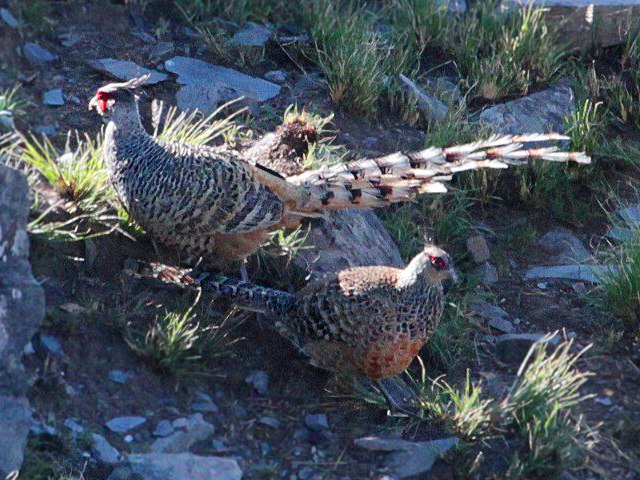
Pheasants show several recurring traits. Both sexes have robust bodies and strong legs adapted to scratching and short bursts of flight. Males often carry conspicuous feathers with bright colours and elongated tail feathers; these long tails aid in display and species recognition. Females tend to be cryptically patterned, which helps conceal nests made on the ground.
Taxonomy, range and habitat
Members of this group occupy a variety of temperate and subtropical habitats, from open fields and scrub to forest edges. Their classification sits within Galliformes alongside grouse, quail and partridges; different species have adapted to local conditions across Asia, Europe and parts of North America where some have been introduced. For more on their broader classification see Galliformes resources.
Behavior and ecology
Pheasants are mostly ground foragers, eating seeds, insects and plant matter, and they typically nest on the ground. Breeding systems range from monogamy to polygyny; males often invest heavily in visual and vocal displays to attract mates. Juveniles are precocial and leave the nest soon after hatching.
Human interactions
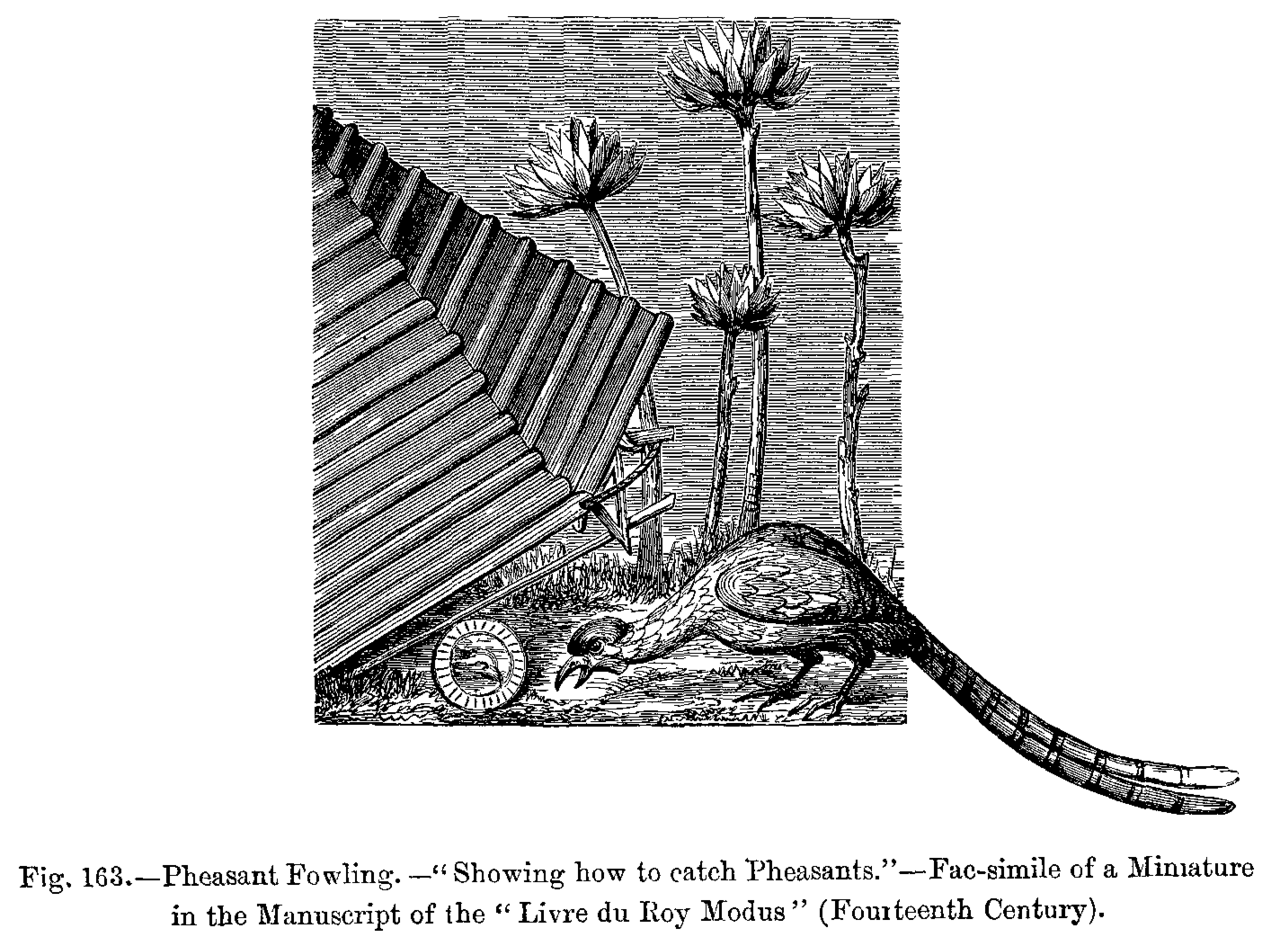
For centuries people have hunted pheasants for meat and sport. In many regions they are managed as game species and are deliberately released for shooting, but wild populations are also frequently hunted illegally. Habitat loss, agricultural change and hunting pressure have placed several species at conservation risk in parts of their range.
Cultural and notable facts
Some pheasants figure in national symbolism and cuisine. The Chukar, for example, is recognized as the official bird of Pakistan (Chukar, Pakistan). Conservation efforts include habitat protection, legal regulation of hunting and captive-breeding programs. For regional conservation guidance and identification keys consult local ornithological sources and management plans (large bird guides).
- Key identification traits: strong legs, ground-dwelling habits, sexual dimorphism.
- Threats: overhunting, habitat change, introduced predators.
- Management: regulated hunting, habitat restoration, monitoring.
Because species boundaries and population status can change with new research, readers should consult up-to-date regional checklists and conservation assessments for precise information.
Related articles
Author
AlegsaOnline.com Pheasant Leandro Alegsa
URL: https://en.alegsaonline.com/art/76358