
Philippine eagle (Pithecophaga jefferyi)
A large, forest-dwelling raptor endemic to the Philippines, the Philippine eagle is noted for its size, shaggy crest, conservation importance, and cultural status as the national bird.
Overview
The Philippine eagle (Pithecophaga jefferyi) is a large bird of prey native only to the Philippines. Often called the monkey-eating eagle and known locally by names such as haribon and agila, it is remarkable for its size, distinctive crest of long nape feathers, and role as the country's national bird. As a specialized bird of prey, it occupies the upper levels of tropical forest ecosystems.
Image gallery
10 Images



Physical characteristics
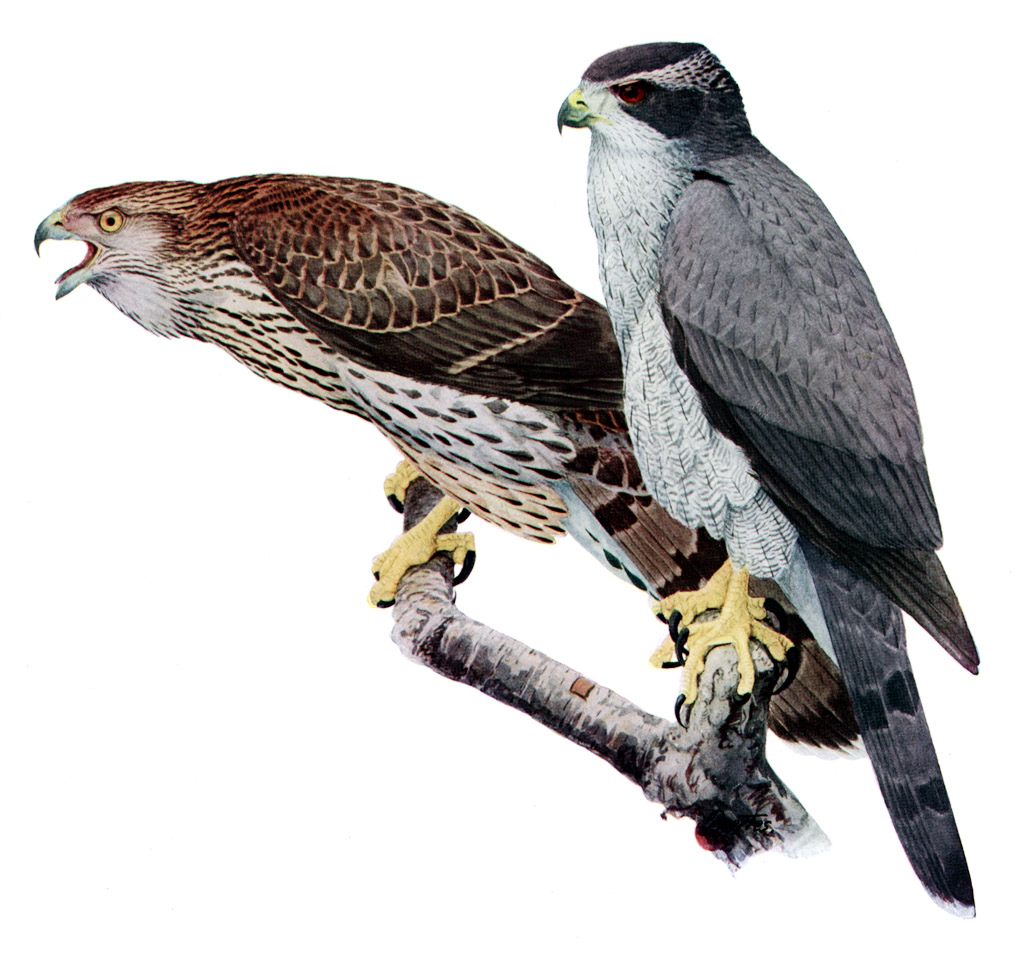
This species has a heavy bill, long tail, broad wings and a shaggy crest that can be raised in displays. Plumage is typically brown with paler underparts streaked with brown. It is one of the largest eagles in terms of length and wing surface, and its powerful talons enable it to capture relatively large arboreal prey.
Range, habitat and diet
The Philippine eagle is endemic to several larger Philippine islands, including Luzon, Samar, Leyte and Mindanao, where it inhabits mature lowland and montane rainforests. It hunts primarily in the forest canopy and preys on tree-dwelling animals: primates, colugos (flying lemurs), large birds and small mammals are among its known prey. Its hunting style relies on stealth, strength and the use of high perches.
Life history and behavior
Breeding pairs occupy large territories and invest heavily in a small number of young. Nests are built high in emergent trees and pairs take long intervals between successful breeding attempts. These life-history traits—late maturity, low reproductive rate and long parental care—make populations slow to recover from declines.
Conservation status and threats
The species is listed as critically endangered and is legally protected under national legislation; conservation measures are supported by research and captive-breeding efforts. Major threats include habitat loss from logging and agricultural conversion, hunting and accidental capture, and the fragmentation of remaining forest patches. Rehabilitation, habitat protection and community outreach are central to recovery efforts supported by NGOs and government agencies under existing protection law.
Importance and distinctions
The Philippine eagle is both an ecological apex predator and a cultural symbol. Its conservation has become a focal point for wider forest protection initiatives. Distinctive features—its crest, large bill and tree-hunting habits—separate it from other large raptors and underline its dependence on intact tropical forest, making it an iconic indicator of biodiversity health in the islands.
- Also called: monkey-eating eagle, haribon, banog.
- Habitat: primary tropical rainforest.
- Conservation: critically endangered; protected species.
For further reading and conservation resources, see organizations and studies focused on Philippine forest raptors and national wildlife protection initiatives (bird of prey resources, Philippine biodiversity information, legal frameworks).
Questions and answers
Q: Where can the Philippine eagle be found?
A: The Philippine eagle can be found only in the Philippines.
Q: What is another name for the Philippine eagle?
A: The Philippine eagle is also known as the monkey-eating eagle, as well as agila ("eagle"), haribon, haring ibon ("king bird") and banog ("kite") by the locals.
Q: What is the Philippine eagle known for in terms of size?
A: The Philippine eagle is known to be the largest eagle in wing surface and length.
Q: Is the Philippine eagle a protected species?
A: Yes, the Philippine eagle is protected by law in the Philippines.
Q: Why was the Philippine eagle made the national bird of the Philippines?
A: Learning that the Philippine Eagle has been found in danger, it has been made to be the national bird of the Philippines.
Q: What is the scientific name of the Philippine eagle?
A: The scientific name of the Philippine eagle is Pithecophaga jefferyi.
Q: What does the local term "haribon" mean?
A: The local term "haribon" means "king bird."
Related articles
Author
AlegsaOnline.com Philippine eagle (Pithecophaga jefferyi) Leandro Alegsa
URL: https://en.alegsaonline.com/art/76469
Sources
- haribon.org.ph : "The largest eagle in the world"
- afp.google.com : "Farmer arrested for killing, eating rare Philippines eagle: officials"