
Petroleum industry: scope, operations, history and contemporary issues
Overview of the petroleum industry covering exploration, production, refining, transport, products, history, uses and modern challenges including environmental and geopolitical aspects.
The petroleum industry encompasses the global activities that find, recover, process, move and sell crude oil and its derivatives. At its broadest it includes exploration and extraction, refining, bulk transport and storage, and the marketing of finished products. The sector supplies a wide range of materials, with the largest-volume finished products historically being fuel oil and gasoline (petrol), alongside diesel, jet fuel and feedstocks for the chemical industry.
Image gallery
10 Images


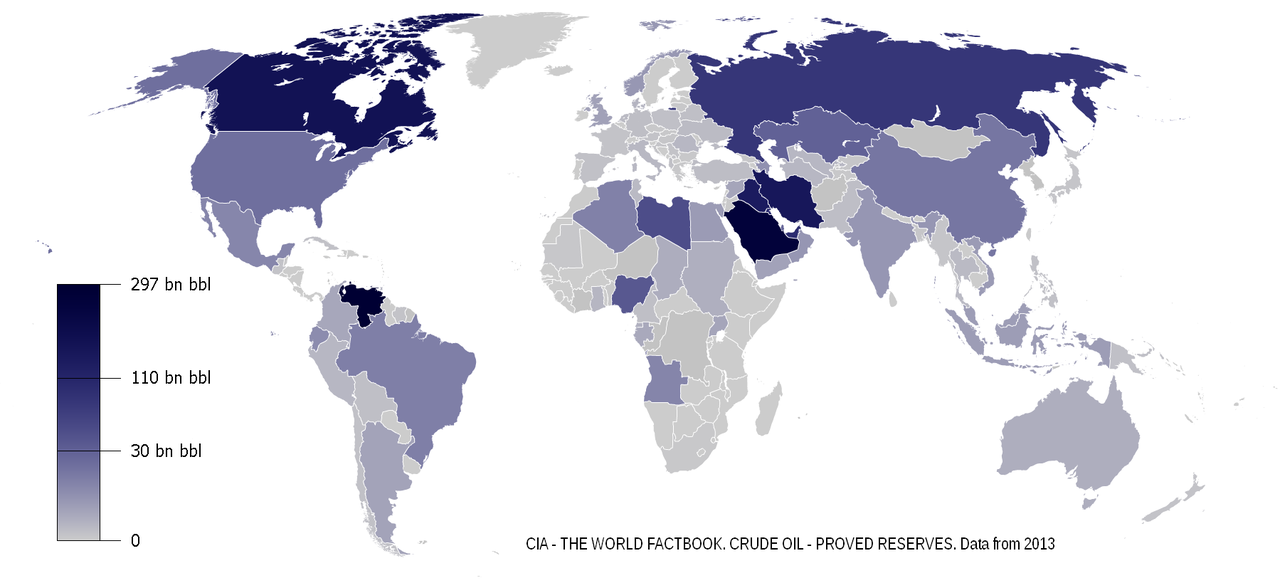

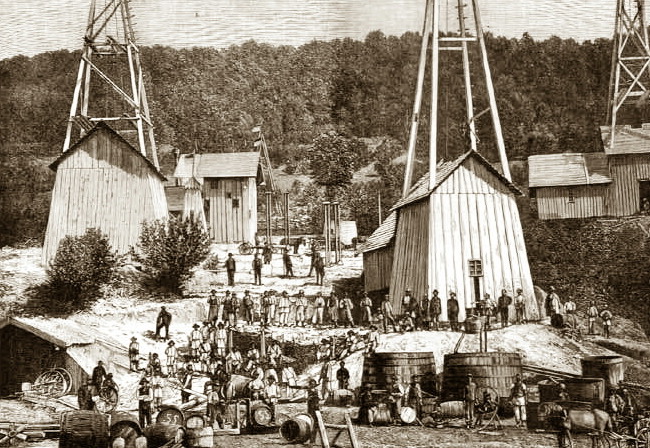
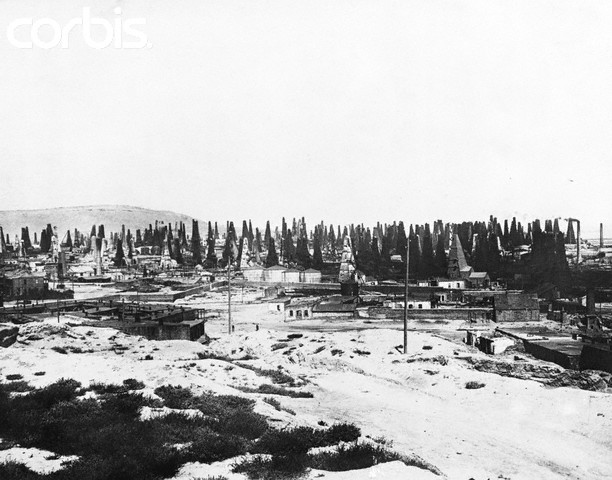
Structure and operations
Industry activity is often described in three linked segments: upstream, midstream and downstream. Upstream covers geological surveys, exploratory drilling and production wells. Midstream handles aggregation, transportation and storage. Downstream comprises refining, distribution and retail. The industry also relies on specialist service companies for drilling, seismic work and equipment, and on financial and trading arms that manage crude and product markets.
- Upstream: locating reservoirs, drilling and bringing oil and gas to the surface.
- Midstream: moving and storing crude and products using tankers, oil tankers and pipelines, terminals and bulk logistics.
- Downstream: refining crude into fuels and chemicals, then marketing through wholesalers and retail networks (marketing and retail).
Refining converts crude oil into useful fractions by distillation and chemical processing. Yields vary by crude type and refinery configuration; modern refineries can produce gasoline, diesel, lubricants, asphalt and chemical feedstocks simultaneously.
Historically the industry expanded rapidly from the 19th century with the first commercial oil wells and the rise of kerosene for lighting, then accelerated as internal-combustion engines and aviation created mass demand for liquid fuels. Over time large integrated corporations and national oil companies emerged, shaping global trade, investment and geopolitics.
The petroleum sector remains central to modern economies: fuels for transport, heating and aviation; petrochemical feedstocks for plastics, fertilizers and many manufactured goods; and lubricants and specialty products. At the same time it faces major contemporary issues — price volatility, resource nationalization, supply security, and environmental concerns such as emissions, spills and the role of fossil fuels in climate change. These pressures are driving improvements in efficiency, stricter safety and environmental regulation, and growing investment in alternative energy and lower-carbon technologies.
Understanding the petroleum industry therefore requires attention to geology and engineering, global trade and finance, national policy and environmental science. Its future will be determined by how markets, technology and policy interact as societies manage energy demand, economic development and climate objectives.
Related articles
Author
AlegsaOnline.com Petroleum industry: scope, operations, history and contemporary issues Leandro Alegsa
URL: https://en.alegsaonline.com/art/76229