
Phanerozoic Eon: the Age of Visible Life
The Phanerozoic is the current eon on Earth’s geologic timescale, beginning about 541 million years ago and marked by abundant, diverse animal life preserved in the fossil record.
Overview
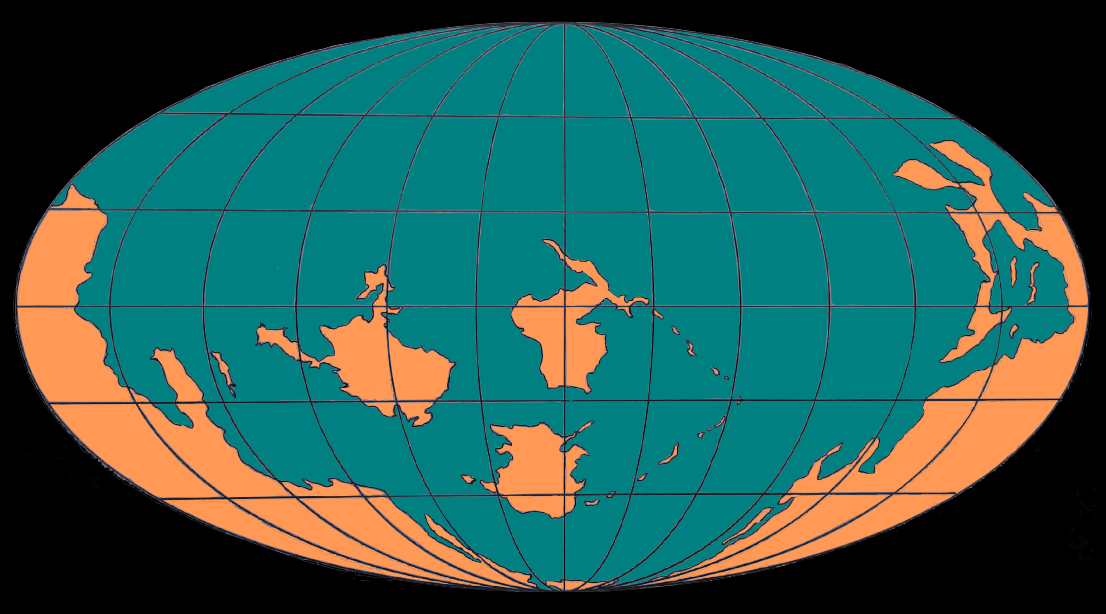
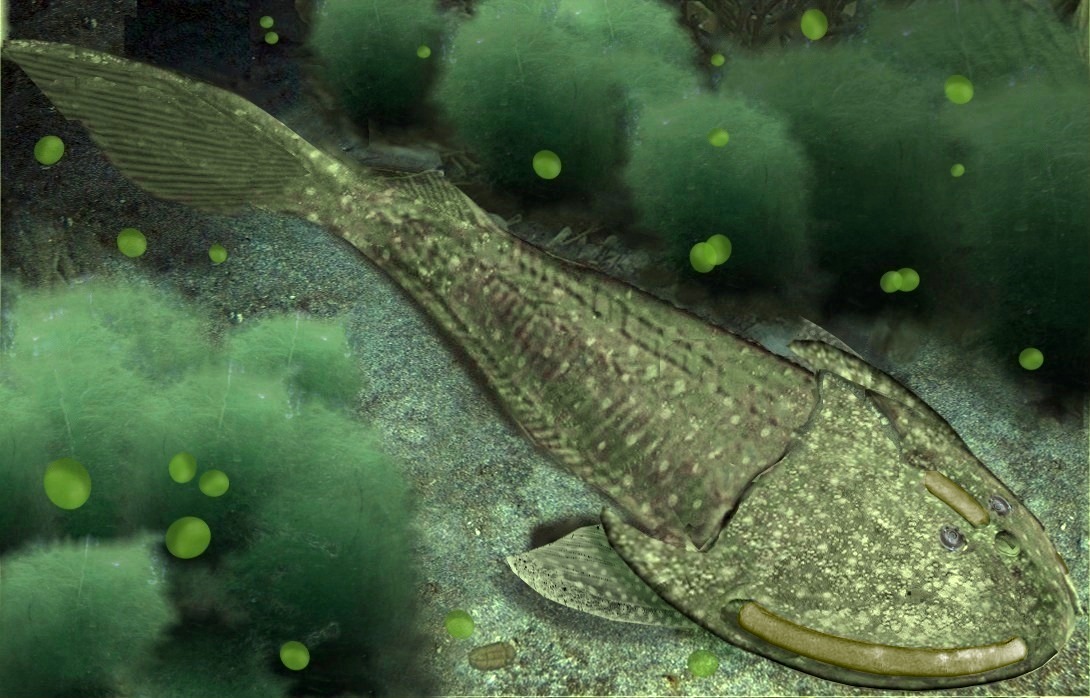
The Phanerozoic eon is the most recent interval of geological time, beginning roughly 541 million years ago and continuing to the present. It is defined by a rich fossil record that documents the appearance, diversification and extinction of complex multicellular animals and plants. For a general reference see Phanerozoic. The first interval of the eon is the Cambrian, a period notable for a rapid increase in the variety of hard-bodied organisms.
Image gallery
10 Images


Major subdivisions
The Phanerozoic is conventionally divided into three eras, each containing multiple periods and epochs that mark major evolutionary, climatic and tectonic changes:
- Paleozoic Era — early complex marine life, the rise of fishes, arthropods and early land plants.
- Mesozoic Era — often called the age of dinosaurs; includes the development of modern groups of reptiles and the first birds and flowering plants.
- Cenozoic Era — the most recent era, characterized by the diversification of mammals and the appearance of humans.
Characteristics and fossil record
The Phanerozoic is distinguished by abundant, readily fossilized hard parts such as shells, teeth and bones. These fossils provide the backbone of biostratigraphy and allow scientists to correlate rock layers across continents. Major biological innovations recorded in Phanerozoic rocks include complex body plans, sophisticated ecological interactions and repeated episodes of continental reconfiguration driven by plate tectonics.
Origins and the preceding eons
Before the Phanerozoic lay what was traditionally called the Precambrian; that time is now subdivided into the Hadean, Archaean and Proterozoic eons. These earlier eons record the formation of Earth, the origin of life, early microbial ecosystems and the buildup of oxygen in the atmosphere, setting the stage for later animal-dominated ecosystems. The term Precambrian still appears in many summaries as a convenient label for everything older than the Phanerozoic.
Significant events and scientific importance
The Phanerozoic history includes dramatic turnovers such as mass extinctions, the Cambrian diversification often called an "explosion," and repeated shifts in climate and sea level. These events shaped modern biological diversity and influence natural resources — for example, many hydrocarbon reservoirs are associated with Phanerozoic sedimentary basins. Paleontologists and geologists study Phanerozoic rocks to reconstruct past environments, evolutionary pathways and the interactions between life and Earth systems.
Further reading
For introductions and stratigraphic summaries consult overview resources and period descriptions: Phanerozoic overview, Cambrian and general period pages, as well as background on the Precambrian and its subdivisions (Hadean, Archaean, Proterozoic).
Questions and answers
Q: What is the Phanerozoic eon?
A: It is the current eon on the geologic timescale in which abundant animal life has existed.
Q: How long does the Phanerozoic eon cover?
A: It covers about 541 million years.
Q: When did hard-shelled animals first appear?
A: Hard-shelled animals first appeared during the Phanerozoic eon.
Q: What did scientists once think about the Cambrian period?
A: They thought that life began during the Cambrian period, which is the first period of the Phanerozoic eon.
Q: What is the Precambrian?
A: The Precambrian is the time before the Phanerozoic eon.
Q: How is the Precambrian period divided?
A: The Precambrian period is now divided into the Hadean, Archaean and Proterozoic eons.
Q: What is the significance of the Hadean, Archaean and Proterozoic eons?
A: They represent the time before the Phanerozoic eon, in which life was still emerging, and are collectively known as the Precambrian.
Related articles
Author
AlegsaOnline.com Phanerozoic Eon: the Age of Visible Life Leandro Alegsa
URL: https://en.alegsaonline.com/art/76332
Sources
- sciencedirect.com : sciencedirect.com/science/article/pii/S1871174X07000030
- sciencemag.org : sciencemag.org/content/310/5752/1293