
Pilgrims (early Plymouth Colony settlers and the Mayflower voyage)
English Separatists who sailed on the Mayflower in 1620 to found Plymouth Colony; their origins, voyage, settlement, relations with Indigenous peoples, daily life, and legacy.
Overview
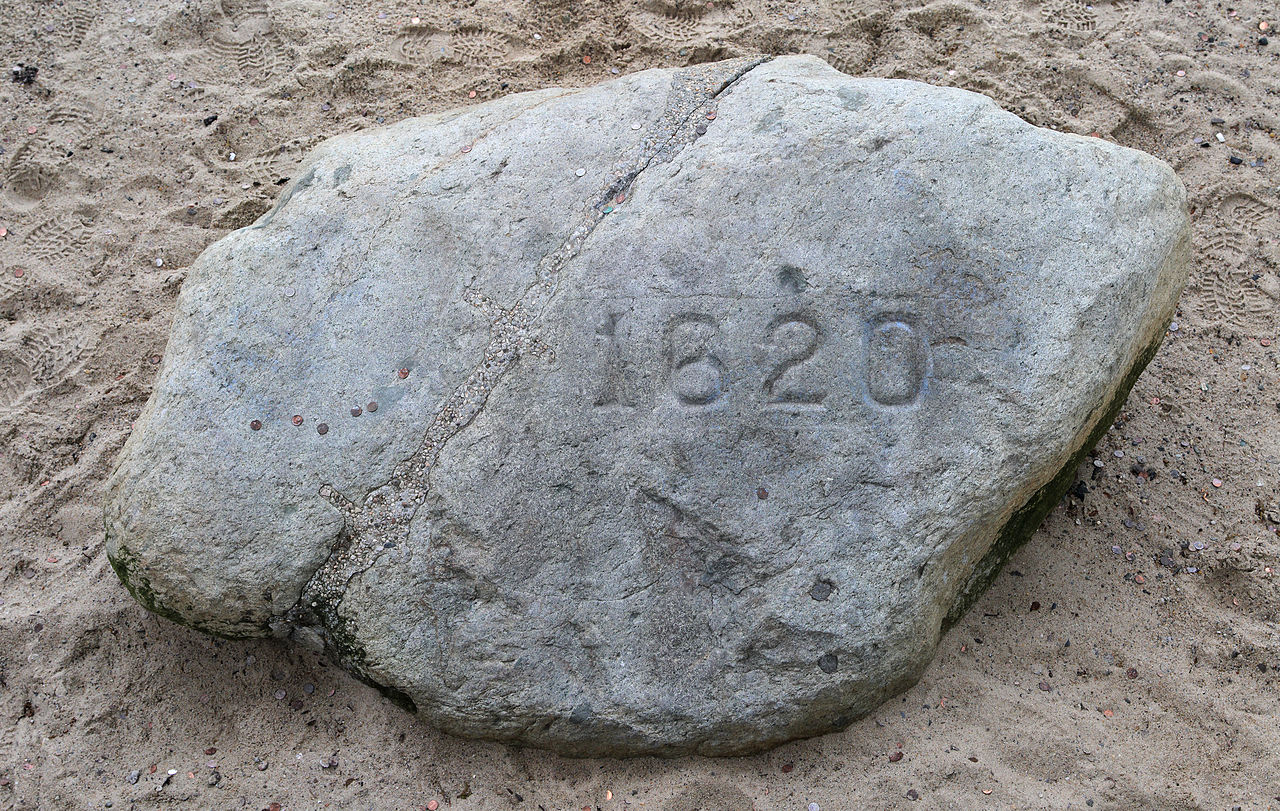
The word "pilgrim" can refer generally to a person who makes a religious pilgrimage or symbolic journey. In North American history the term more specifically denotes the group of English settlers who crossed the Atlantic in 1620 and founded Plymouth Colony. These migrants and their voyage aboard the Mayflower became prominent in later national narratives, and their story is frequently taught as an origin episode in the history of colonial New England.
Image gallery
10 Images



Origins and beliefs
Most of the passengers identified as part of this group were English Puritans of a particular persuasion known as Separatists. Unlike Puritans who sought to reform the Church of England from within, Separatists wanted to worship apart from the established church. Many had fled to Leiden in the Dutch Republic in the early 1600s to live with greater religious freedom before deciding to seek a permanent settlement in New England. Their motives combined religious convictions with social, economic, and communal concerns.
The voyage and settlement
In September 1620 roughly one hundred people boarded the Mayflower bound for the Atlantic colonies. The ship was built for cargo rather than passenger comfort, and the crossing was difficult: cramped conditions, storms, and disease affected many aboard. Contemporary accounts note that a small child was born during the voyage, and that illness continued among the new arrivals. After landing, the settlers established houses and farms at a site near present-day Plymouth, Massachusetts, drawing on maritime skills and English farming practices while adapting to a very different environment.
Governance and community structures
While the idea that the Pilgrims created modern democracy is overstated, the colonists did produce agreements about self-government, famously known as the Mayflower Compact in later memory, which helped set local expectations for order, mutual assistance, and legal procedures. The settlement maintained communal and family-based labor patterns, religious meetings, and local decision-making through town gatherings and selected leaders. Over time, systems of property ownership and local law evolved as the community stabilized.
Relations with Indigenous peoples
Relations with nearby Indigenous nations were decisive for the colony's early survival. Members of the local Wampanoag confederation, including individuals who acted as translators and intermediaries, taught the settlers agricultural techniques adapted to the region, such as planting maize and using fish as fertilizer. These exchanges allowed the newcomers to supplement their diets and store food for winter. Indigenous diplomacy, trade, and sometimes armed conflict all shaped the colony's development. Accounts of a three-day harvest celebration have been linked to cooperation between the settlers and their Indigenous neighbors, though later commemorations simplified a complex history.
Daily life and food
Colonists combined English domestic customs with new resources: baked bread and grains, salt-cured food, and imported staples were joined by maize (corn), wildfowl such as turkey, venison, and a variety of seafood including clams, mussels, eel and lobster. Houses were modest and households often worked cooperatively. High mortality in the first winter and seasonal cycles defined much of daily life, while adaptations in agriculture, building, and clothing were necessary to endure New England winters.
Legacy and common misconceptions
The label "Pilgrim Fathers" and many traditional accounts emphasize piety, thanksgiving, and peaceful settlement, but modern scholarship emphasizes nuance: diversity of motives among migrants, the importance of Indigenous assistance and diplomacy, and the long-term impacts of European colonization on Native peoples. The Pilgrims are distinct from later, larger Puritan migrations that shaped the Massachusetts Bay Colony and other settlements.
Further reading and resources
- General studies of pilgrimage and migration
- Religious motives and dissent in early modern England
- Plymouth Colony: foundation and early history
- Plymouth, Massachusetts: the modern town and heritage
- New England in the early seventeenth century
- The Mayflower voyage and ship history
- Passenger lists and biographical accounts
- Puritan movements and theological distinctions
- Leiden community and the Dutch connection
- The Church of England: context and conflict
- Wampanoag history and perspectives
Note: This article summarizes broadly known aspects of the Pilgrims and their settlement. Where details are uncertain or debated, historians continue to refine interpretations based on documentary and Indigenous sources.
Related articles
Author
AlegsaOnline.com Pilgrims (early Plymouth Colony settlers and the Mayflower voyage) Leandro Alegsa
URL: https://en.alegsaonline.com/art/76912