
Persecution of Muslims: history, forms, and international responses
An overview of persecution directed at Muslims: definitions, historical episodes, contemporary examples, legal distinctions, and measures used to prevent and respond to discrimination and violence.
The persecution of Muslims refers to hostile treatment, discrimination, or violence aimed at people because they adhere to Islam. It can range from social exclusion and legal restrictions to physical attacks, forced displacement, imprisonment, or attempts to destroy communities. Describing these acts requires careful distinction among prejudice, criminal violence, state policies, and internationally prohibited crimes such as ethnic cleansing or genocide. For general context see background on religious persecution.
Image gallery
10 Images
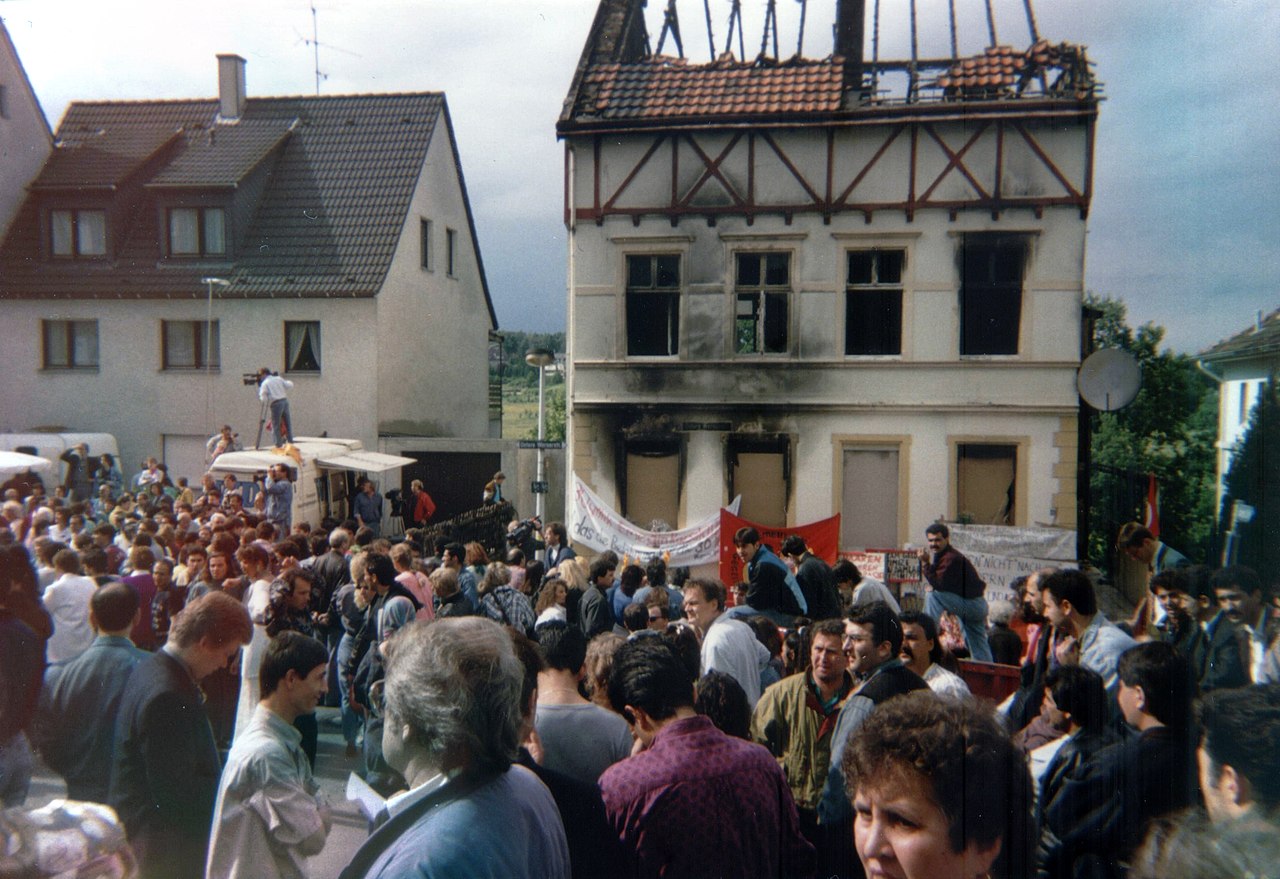

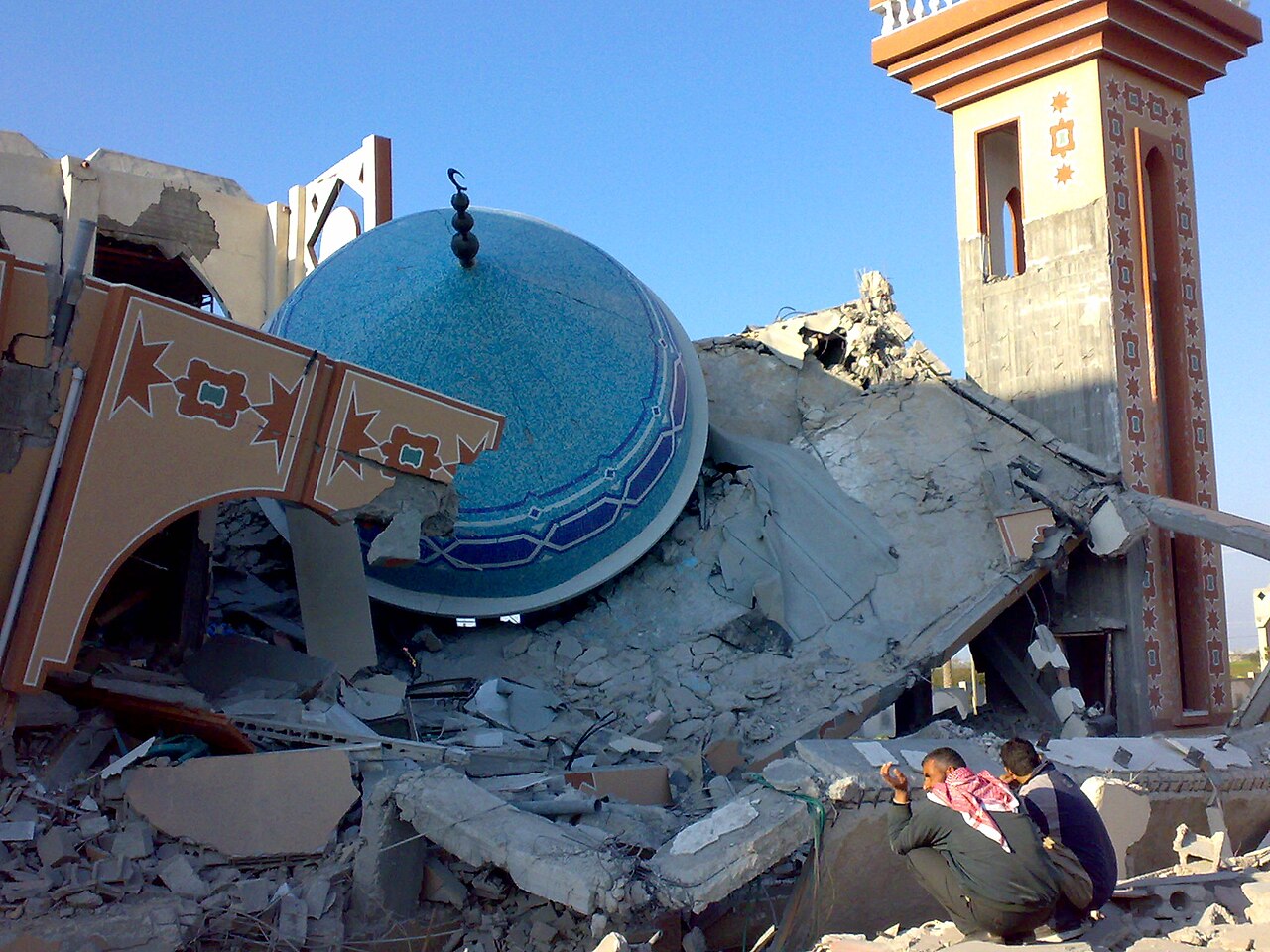


Forms and manifestations
Persecution takes many forms depending on the setting and actors involved. It may include:
- Legal discrimination: laws or administrative measures that limit worship, dress, marriage, property rights, or political participation.
- Social exclusion and hate speech: stereotyping, verbal harassment or denial of services.
- Criminal violence and pogroms: attacks on individuals, mosques, and neighborhoods by mobs or armed groups, including use of force and killings. See discussions of violence-related persecution at studies of violent persecution.
- Arbitrary detention and imprisonment for religious practice or belief, documented in many contexts; for further reading see reports on detention.
- Forced assimilation, deportation, or conversion pressures that aim to erase communal identity.
Historical background
Muslims have been subject to persecution in diverse historical periods and places. In the medieval era, military campaigns and frontier conflicts such as the Crusades affected Muslim populations across the Levant; scholarly overviews of that period are available at Crusades sources. The Mongol invasions of the 13th century caused widespread destruction in parts of the Islamic world; see summaries at Mongol-era accounts. In the Iberian Peninsula, Muslim communities experienced changing fortunes under the Reconquista and subsequent Inquisitorial policies that constrained religious practice and led to expulsions or conversions; for context consult Iberian history and Inquisition studies.
Contemporary examples and trends
In the modern era, persecution can be state-led, communal, or perpetrated by non-state armed actors. Notable contemporary situations include the Rohingya crisis in Myanmar, where citizenship denial and mass displacement have been widely reported; see documents on Myanmar. Central African Republic episodes have involved intercommunal violence affecting Muslim communities; background is summarized at CAR resources. In the Balkans, instances of discrimination and wartime abuses have affected Muslim populations in Serbia and neighboring areas; see Balkan studies. Broader discussions of Islam as a global religion and its varied interactions with societies appear at materials on Islam.
Legal distinctions, responses, and prevention
International law distinguishes between unlawful discrimination and crimes against humanity or genocide; prosecution and prevention involve national courts, international courts and tribunals, and UN mechanisms. Responses include documentation by human rights organizations, diplomatic pressure, sanctions, humanitarian assistance for displaced populations, and interfaith or community-based reconciliation efforts. For legal frameworks and human rights responses consult human rights law and resources on religious freedom at religious freedom frameworks.
Addressing persecution requires clear evidence, protection for vulnerable populations, and measures that promote inclusion and accountability. Civil society, states, and international bodies all play roles in monitoring incidents, supporting survivors, and fostering policies to reduce discrimination and violence while upholding freedom of religion or belief. For practical policy guidance and advocacy materials see policy resources.
Related articles
Author
AlegsaOnline.com Persecution of Muslims: history, forms, and international responses Leandro Alegsa
URL: https://en.alegsaonline.com/art/75930
Sources
- islamicpopulation.com : "The Integration of Religious Minorities in China: The Case of Chinese Muslims"