
Pelagie Islands
Three small Mediterranean islands — Lampedusa, Linosa and Lampione — politically Italian but geologically linked to North Africa, known for arid landscapes, fishing, tourism and important wildlife habitats.
Overview
The Pelagie Islands are a tiny archipelago in the central Mediterranean comprising three main landforms: Lampedusa, Linosa and Lampione. They lie between the larger islands and coasts of the central Mediterranean and are closer to North Africa than to the Italian mainland. Politically the islands are part of Italy, but their geology and many biological affinities reflect their position on the African continental margin.
Image gallery
3 Images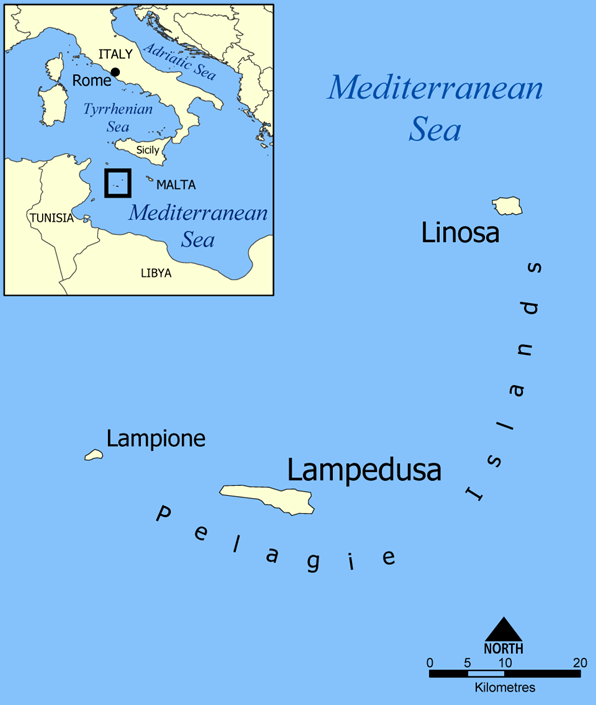

Geography and geology
The islands are small and isolated, with Lampedusa the largest and most populated. Linosa is volcanic in origin, giving it a different landscape and soil from the limestone and sand features of the other isles. Lampione is a much smaller rock and is mostly uninhabited. The archipelago’s climate is typically Mediterranean to semi-arid, and natural vegetation is limited by thin soils and exposure to wind.
Islands and settlements
- Lampedusa: principal island, main port and air connection, center of local administration and tourism.
- Linosa: volcanic, quieter and with a compact village; historically more agricultural where soils allowed.
- Lampione: a small rock islet with very limited human presence and significant marine surrounds.
History, economy and land use
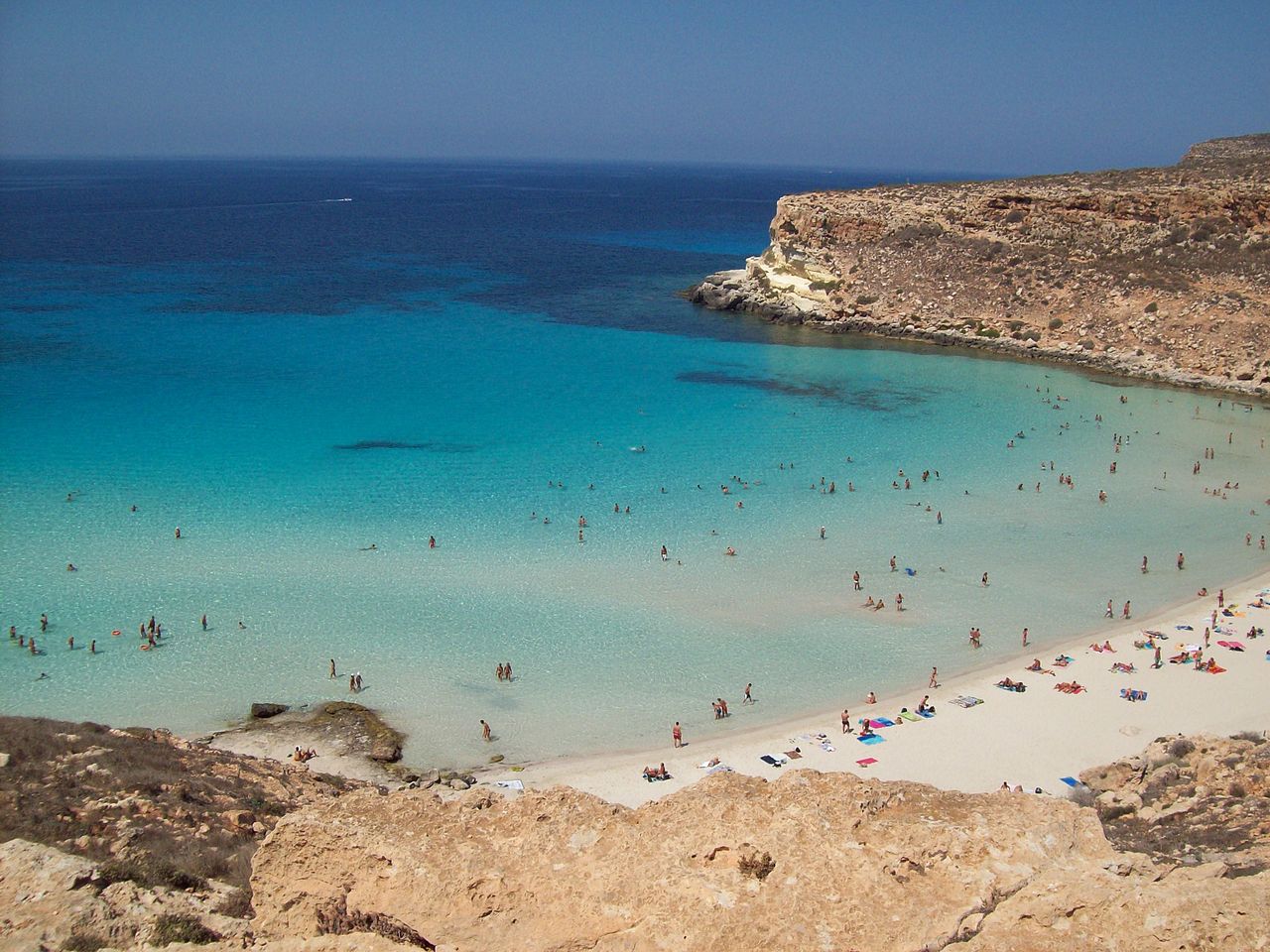
The Pelagie group has a long history of seasonal use for grazing and small-scale farming, but much of the original vegetation was lost through clearing and overuse; impacts of deforestation and soil erosion have left parts of the islands barren. Modern livelihoods depend heavily on fishing and on tourism, with visitors drawn to clear waters, beaches and diving. Transportation is provided by ferries and by small airports that connect Lampedusa and Linosa with the Italian mainland and nearby islands.
Ecology and conservation
Despite their small size the Pelagie Islands are important for seabirds, migratory birds that cross the Mediterranean, and marine species. Sandy beaches on Lampedusa are known nesting sites for sea turtles, and the surrounding waters support diverse fish and invertebrate communities. Conservation efforts and local reserves aim to balance visitor use with the protection of habitats, while managing pressures from development, fishing and historical habitat loss.
Notable facts
The islands illustrate the difference between political boundaries and geological identity: administered by Italy, yet geologically tied to the African plate. Their combination of remoteness, contrasting island types (limestone/sand and volcanic), and sensitive coastal ecosystems makes them a distinct part of Mediterranean natural and cultural heritage.
Related articles
Author
AlegsaOnline.com Pelagie Islands Leandro Alegsa
URL: https://en.alegsaonline.com/art/75480