
Deforestation: Causes, Consequences and Restoration
Deforestation is the large‑scale removal of trees for agriculture, wood products, urban expansion and other uses. This article explains drivers, ecological and climate effects, and approaches to restoration.
Overview
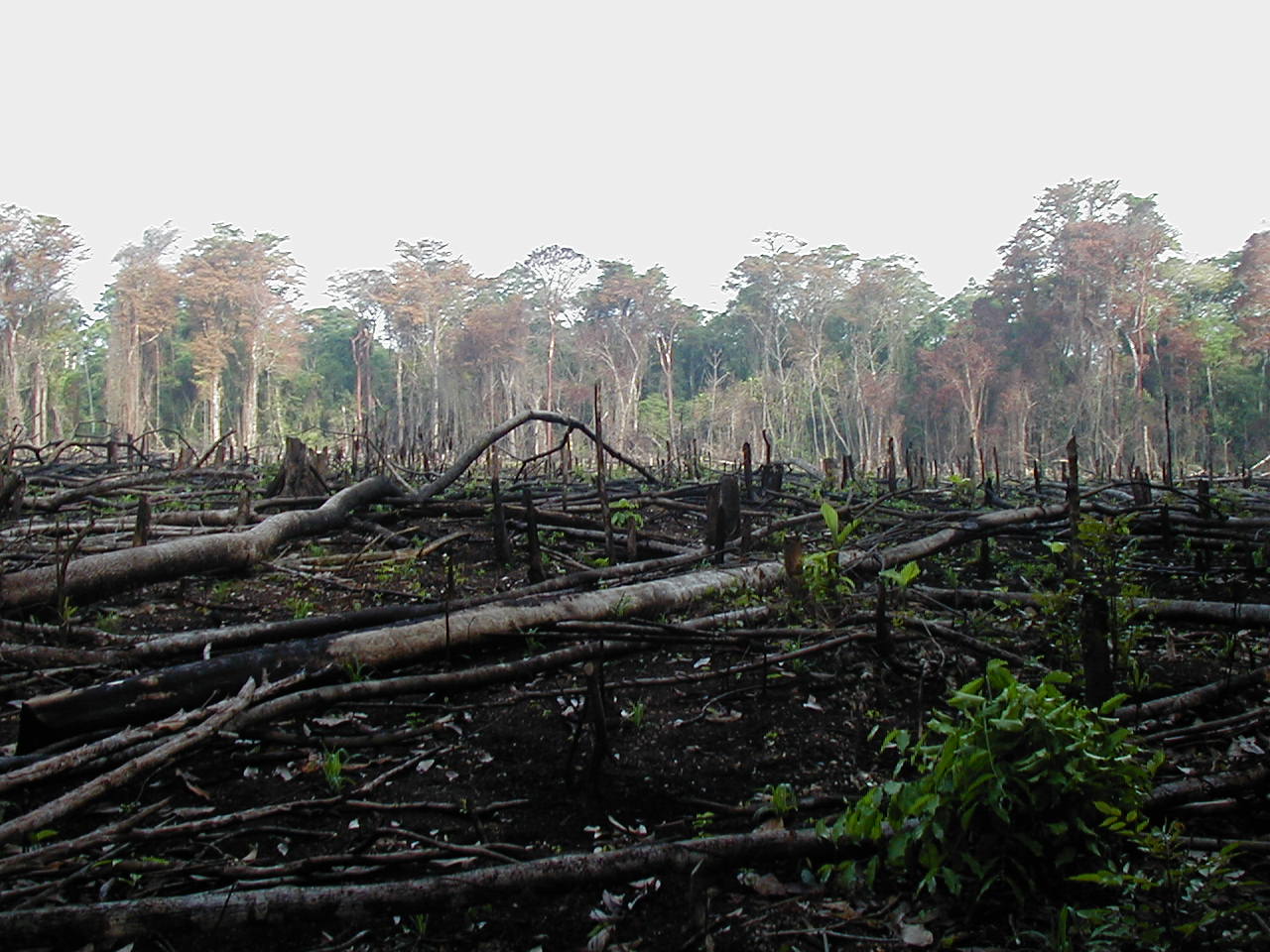
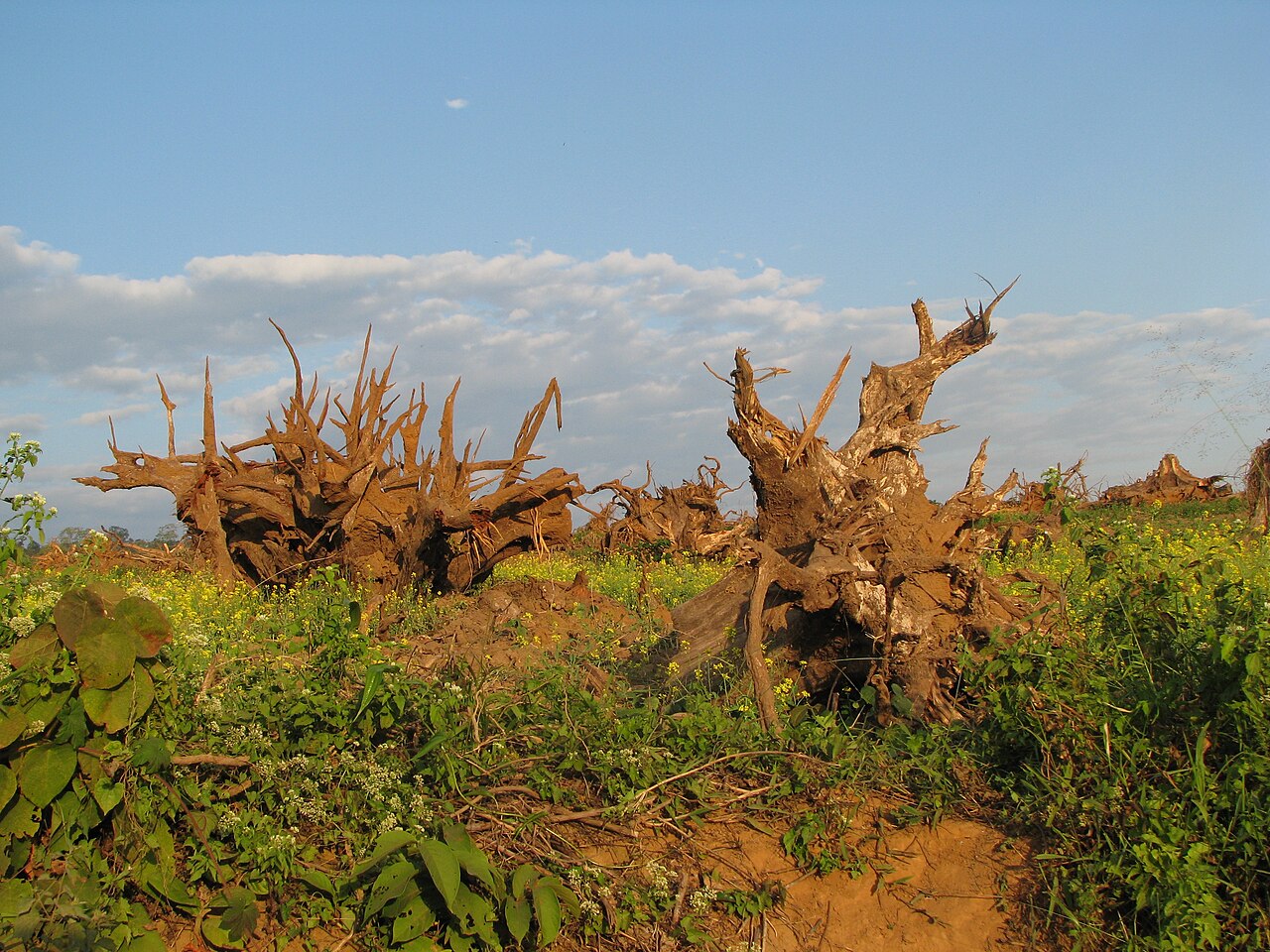
Deforestation refers to the removal or long‑term loss of tree cover in a natural forested area. People clear forests for many reasons, including converting land to agriculture, obtaining wood products, or making space for settlements and infrastructure. When trees are cut and not replaced, the local landscape, soil processes and climate regulation provided by the forest can be altered for decades or longer.
Image gallery
10 Images





Primary drivers and common practices
Drivers of deforestation vary by region and era but often include expanding farming and ranching, commercial logging, fuelwood collection and urban growth. Typical activities include clearing for farms and shifting agriculture, establishing ranches, harvesting trees for firewood and cutting timber for lumber.
- Smallholder agriculture and subsistence clearing.
- Industrial-scale agricultural expansion and plantation forestry.
- Legal and illegal commercial logging operations.
- Infrastructure and urban development.
Ecological and climate impacts
Removing forests destroys or fragments habitat for plants and animals and reduces biodiversity. Forest loss also affects water cycles, increases soil erosion, and can lead to local changes in temperature and rainfall. On a global scale, converting forests releases carbon stored in trees and soils, contributing to higher atmospheric carbon concentrations and climate change. Impacts are typically most severe when intact, old‑growth or primary forests are cleared.
History and regional patterns
Deforestation has occurred for millennia where humans farmed and built settlements, but rates accelerated with industrialization, global trade and rising demand for agricultural commodities and timber. Patterns differ: some temperate regions have seen forest regrowth after agricultural abandonment, while in many tropical areas forest area continues to decline.
Responses, restoration and distinctions
Efforts to address forest loss include protected areas, sustainable forest management, improved agricultural practices and incentives for conservation. Planting trees or encouraging natural regrowth—often called reforesting or afforestation depending on context—can restore some functions, but newly planted stands usually differ from long‑established forests in structure and species composition. Distinctions to note: deforestation describes permanent or long‑term removal, while temporary harvesting or managed forestry with regeneration is not always classified as deforestation.
Why it matters
Deforestation affects food security, livelihoods, biodiversity and climate regulation. Because causes and consequences vary across places and communities, effective responses combine local land rights, economic alternatives, scientific knowledge and policy instruments to reduce harmful clearing while supporting people who depend on forest lands.
Questions and answers
Q: What is deforestation?
A: Deforestation is the removal of trees in a forest by cutting them down and not replacing them.
Q: Why do people cut down trees?
A: The most common reason people cut down trees is to clear land for farms and ranches, but they also do it for firewood, lumber, and to make room for cities.
Q: What is the effect of deforestation on animals?
A: Deforestation destroys the habitat of many animals, which can lead to their death.
Q: Which forests are more severely affected by deforestation?
A: So-called primary forests, which are forests that have yet been untouched by humans, are more severely affected by deforestation.
Q: What happens when trees are cut down during deforestation?
A: When trees are cut down during deforestation, the carbon that was sequestered in the trees is released.
Q: What is the process of restoring trees in deforested places called?
A: The process of restoring trees in deforested places is called reforesting.
Q: What can be done to prevent deforestation?
A: To prevent deforestation, people can use alternate land-use practices that are sustainable, reduce the demand for products that require deforestation, and plant new trees to replace those that are cut down.
Related articles
Author
AlegsaOnline.com Deforestation: Causes, Consequences and Restoration Leandro Alegsa
URL: https://en.alegsaonline.com/art/26286
Sources
- nobledatum.com : "Deforestation Around The World -"
- fondationchirac.eu : "Fondation Chirac » Deforestation and desertification"