
Peanut Butter and Jelly Sandwich
A simple, portable sandwich made with peanut butter and a fruit spread between bread slices. Popular in North America, versatile in variations and widely known as a staple of casual meals and packed lunches.
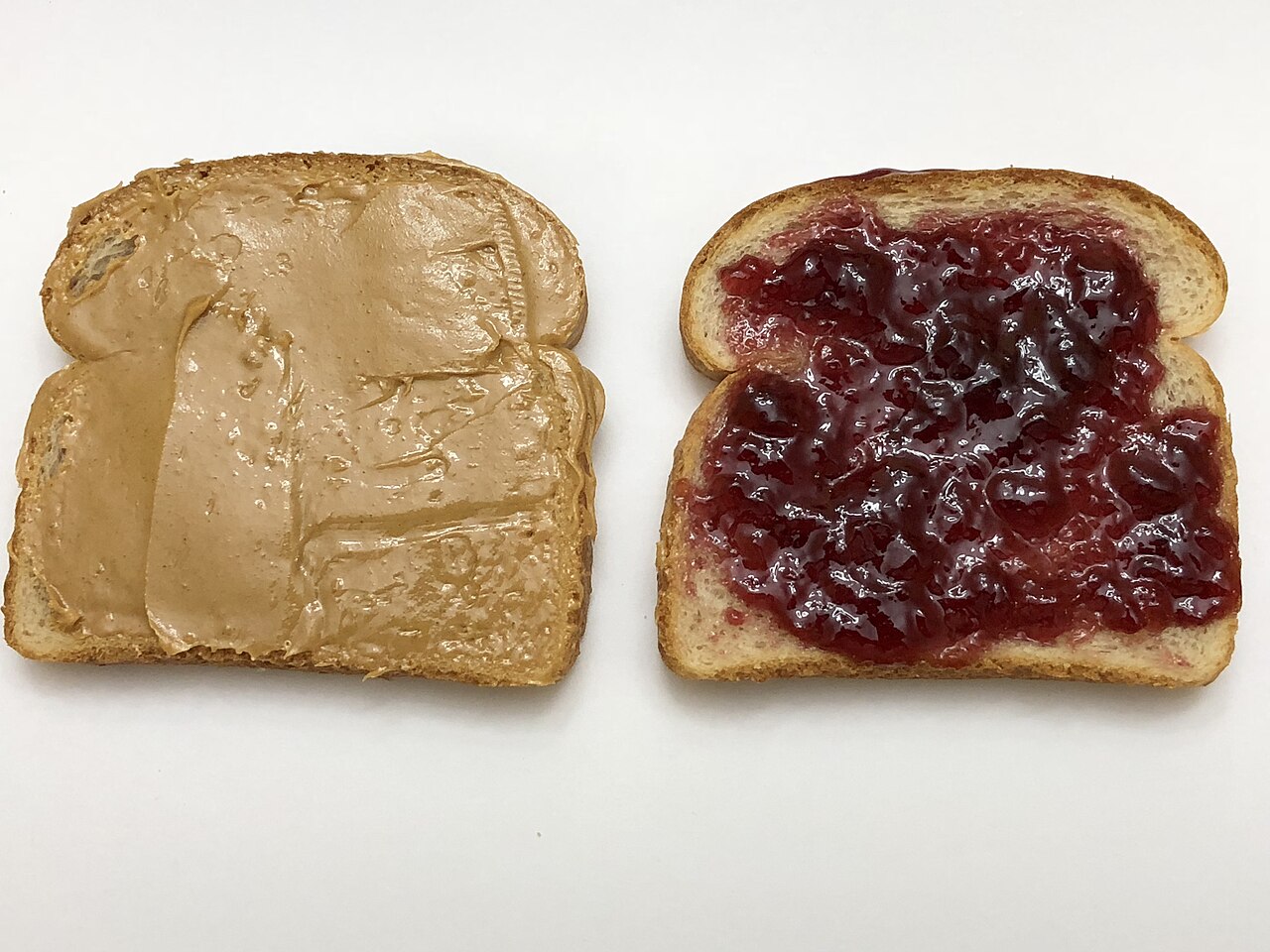
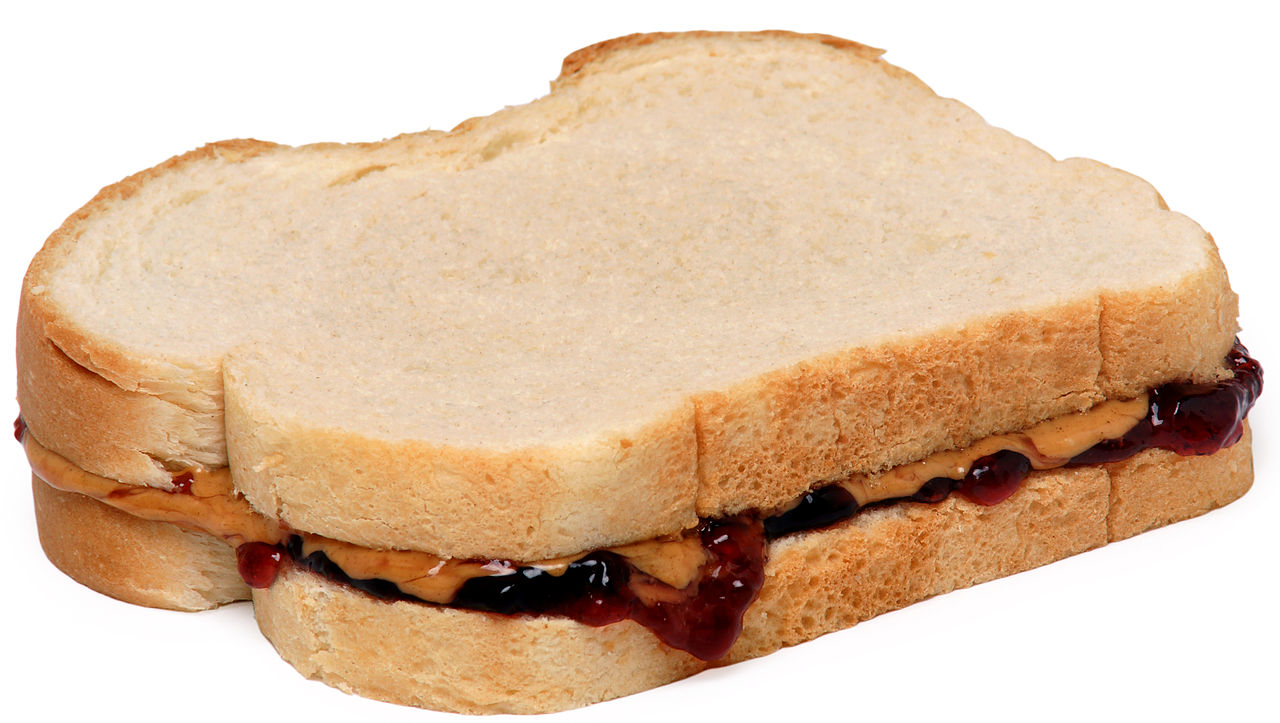
The peanut butter and jelly sandwich, often abbreviated PB&J, is a widely recognized sandwich made by spreading peanut butter and a fruit-based spread such as jelly or jam between two slices of bread. It is especially associated with North American home cooking and school lunches and is valued for its simplicity, portability, and quick preparation. For a basic introduction see peanut butter and jelly.
Image gallery
4 Images

Ingredients and common variations
Typical components are two slices of bread, peanut butter, and a fruit spread. Bread choices range from white and whole wheat to specialty loaves. Peanut butter comes in creamy or crunchy styles and may be made from roasted peanuts, with or without added sugar or oils. The fruit spread may be a clear jelly, a chunkier jam, or preserves; many people substitute preserves or honey, or use other nut butters.
- Bread: white, whole grain, multigrain, or flatbread
- Spreads: creamy or crunchy peanut butter (peanut butter), jelly (jelly), jam (jam)
- Extras: banana, honey, bacon, or toasted variations
History and cultural role
The sandwich grew in popularity as commercial peanut butter and fruit preserves became common kitchen staples in the early 20th century. It became an inexpensive, quick meal for families and later a familiar item in packed lunches. Today it is often cited as a classic comfort food and remains culturally linked to casual American meals and childhood food memories, particularly in North America.
Nutritionally, a typical PB&J varies with portion sizes and ingredients; many estimates place a simple sandwich in the general range of 300–400 kilocalories, though exact values depend on bread type, the amount of peanut butter, and the sugar content of the spread. To reduce sogginess and improve texture, some cooks spread peanut butter on both slices of bread and place the fruit spread between the layers, or toast the bread first.
Beyond the basic recipe, the PB&J has inspired creative variations—open-faced, grilled, rolled, or combined with alternative nut butters—making it a flexible template for home cooks and snack makers. Its ease of preparation, cost-effectiveness, and adaptability explain why it remains a persistent staple in many households.
Related articles
Author
AlegsaOnline.com Peanut Butter and Jelly Sandwich Leandro Alegsa
URL: https://en.alegsaonline.com/art/75346
Sources
- preparedfoods.com : "PB&J is A-OK"
- healthyeating.sfgate.com : healthyeating.sfgate.com/benefits-peanut-butter-jelly-sandwiches-5553.html
- seriouseats.com : seriouseats.com/2007/04/the-history-of-the-peanut-butt.html
- nydailynews.com : nydailynews.com/life-style/average-american-eat-3-000-pb-sandwiches-lifetime-article-1.25…