
Pecorino: Traditional Italian Sheep-Milk Cheeses, Varieties and Uses
Overview of Pecorino cheeses: traditional Italian sheep-milk varieties, production methods, aging profiles, regional types and culinary uses from grating to table cheese.
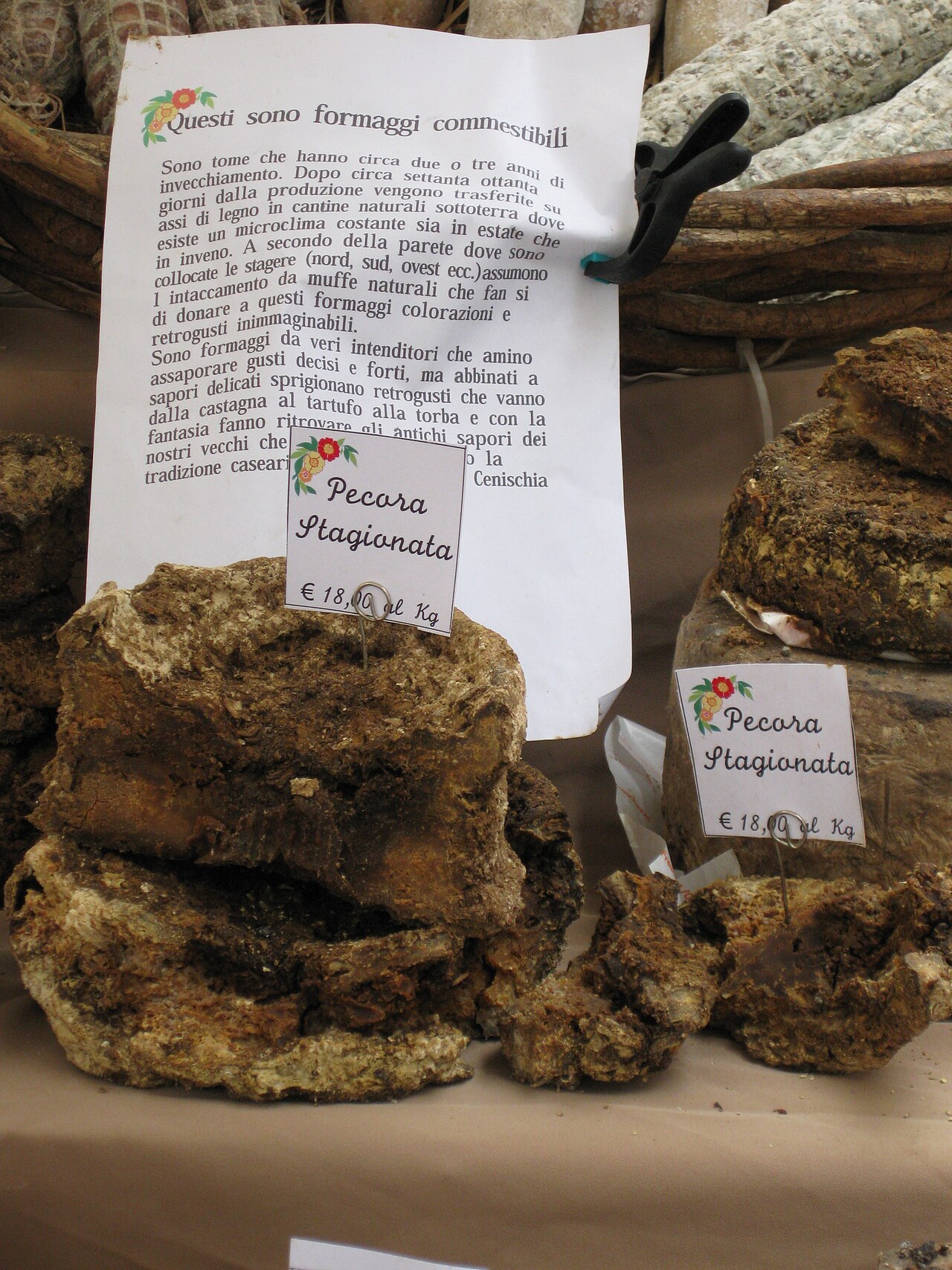
Pecorino is the collective name for several traditional Italian cheeses produced from sheep milk. The term derives from the Italian word pecora, meaning “sheep.” Pecorino cheeses range from soft and young to very hard and well aged; many varieties develop a pronounced salty, tangy flavor when matured.
Image gallery
4 Images


Major types
- Pecorino Romano — a firm, salty cheese commonly used for grating over pasta and soups.
- Pecorino Toscano — typically milder when young and creamier in texture; aged versions become more robust.
- Pecorino Sardo — a Sardinian style that may vary from mild to strong depending on aging.
- Other regional forms — various provinces produce their own named pecorinos with distinctive textures and flavors.
How it is made
Production begins with curdling fresh sheep milk, either raw or pasteurized, using rennet. The curds are pressed into molds and often salted, sometimes by brining. Aging periods differ widely: young pecorino can be consumed after a few weeks, while aged wheels may develop for several months to over a year, becoming harder and more concentrated in taste.
Culinary uses and characteristics
Aged pecorino is frequently grated over pasta, risotto, and soups; younger or semi-aged varieties are eaten as table cheeses, paired with bread, fruit, or wine. The saltiness and sharpness increase with maturity, and textures range from smooth and elastic in young cheeses to dry and crumbly in older examples.
Legal and cultural notes
Several pecorino styles benefit from regional protections and long-established production methods, reflecting the cheese’s role in local culinary traditions across Italy. As a sheep‑milk product, pecorino differs from cow‑milk cheeses in fat and protein composition, influencing flavor and aging behavior compared with other kinds of cheeses.
Related articles
Author
AlegsaOnline.com Pecorino: Traditional Italian Sheep-Milk Cheeses, Varieties and Uses Leandro Alegsa
URL: https://en.alegsaonline.com/art/75388
Sources
- pecorinoromano.com : Export statistics