
Paraves: the clade linking birds and their closest dinosaur relatives
Paraves is a branch-based clade that includes modern birds and their closest non-avian relatives, including dromaeosaurids, troodontids and early four-winged species important to the study of flight evolution.
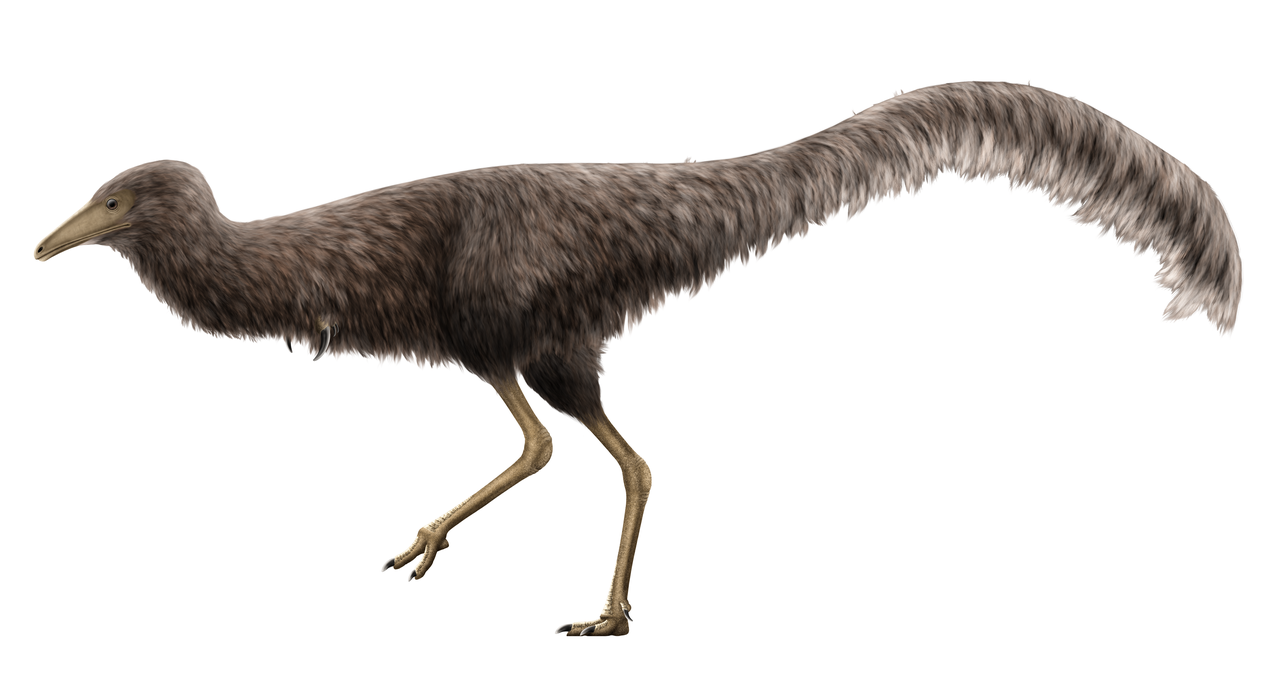
Paraves is a major clade of theropod dinosaurs that unites modern birds with a suite of closely related non-avian taxa. In modern classifications Paraves contains the avialans (the group that includes all living birds) and the deinonychosaurian lineages such as dromaeosaurids and troodontids. Paravians are central to understanding the transition from ground‑dwelling dinosaurs to volant (flying) birds because they preserve many intermediate anatomical and integumentary features.
Image gallery
10 Images




Scope and major groups
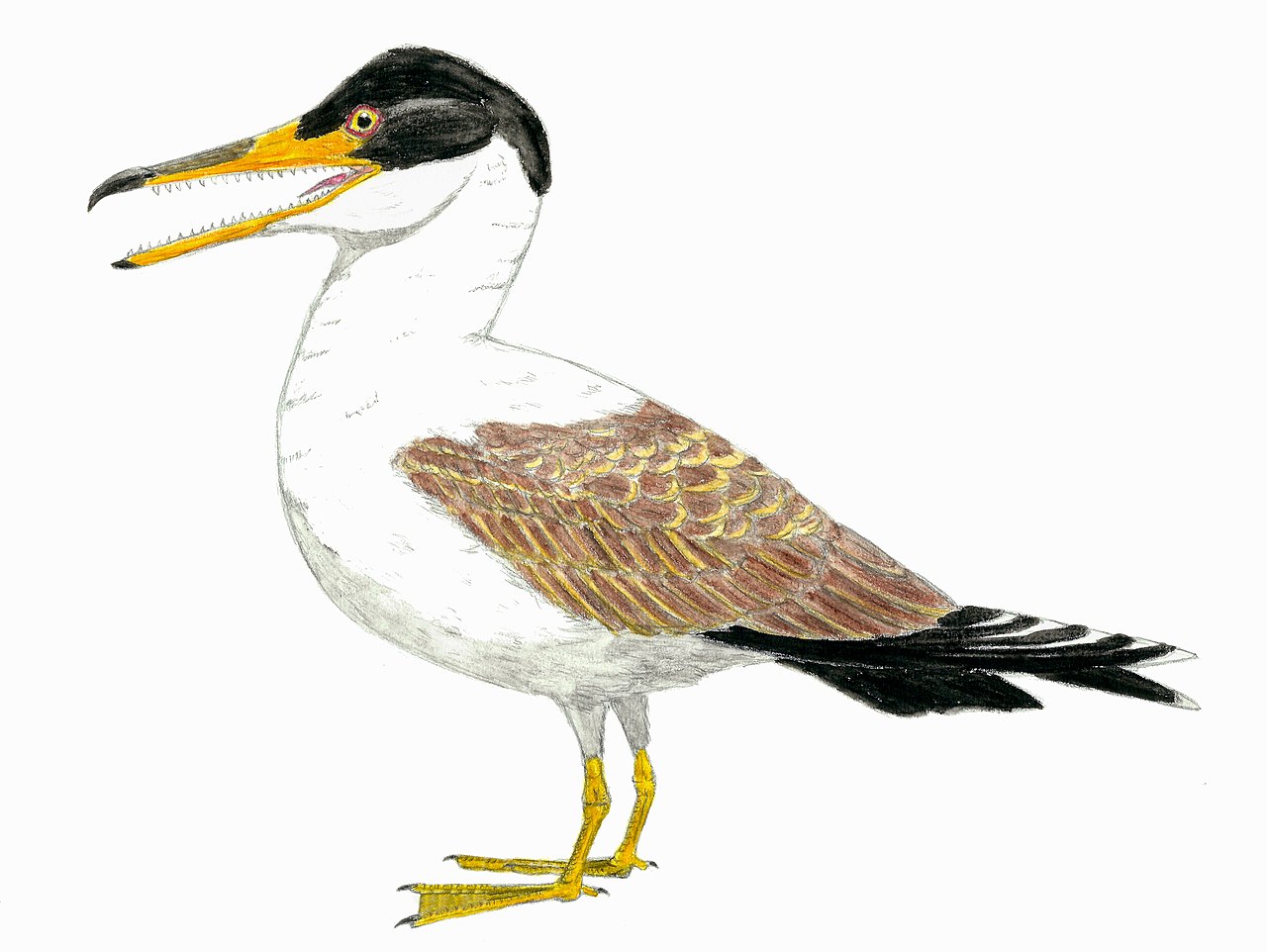
The group as commonly recognized includes three principal components: the Avialae, the Dromaeosauridae and the Troodontidae. Each of these components appears throughout the Mesozoic fossil record and shows a mix of bird‑like and more primitive traits. Key links for further reading include birds, broader discussions of non-avian paravians, the clade Avialae, and classic fossil taxa such as Archaeopteryx. The major subgroups include:
- Avialae — the lineage that leads to and includes modern birds.
- Dromaeosauridae — the 'raptor' dinosaurs, often with a raised sickle claw and feathers.
- Troodontidae — small, often large-brained paravians with distinct teeth and sensory adaptations.
Defining features and anatomy
Paravians are characterized by a combination of skeletal and soft-tissue traits: pennaceous feathers on arms and often legs, a semi-lunate carpal that aids wrist flexion, elongate forelimbs, and adaptations of the pelvis and hindlimb. Among deinonychosaurs a hypertrophied second pedal claw is common. Feather types range from simple filaments to complex flight feathers, and some basal taxa preserve extensive leg feathers suggesting aerodynamic or display roles.
History of the concept
The name Paraves was introduced by Paul Sereno in 1997 and later formalized in a branch-based sense to capture all members of Maniraptora closer to living birds than to certain other maniraptorans. In Sereno's definition the clade is defined relative to Maniraptora and contrasted with taxa such as Oviraptor. This branch-based framing accommodates shifting views of relationships as new fossils and analyses are published.
Important fossils and what they reveal
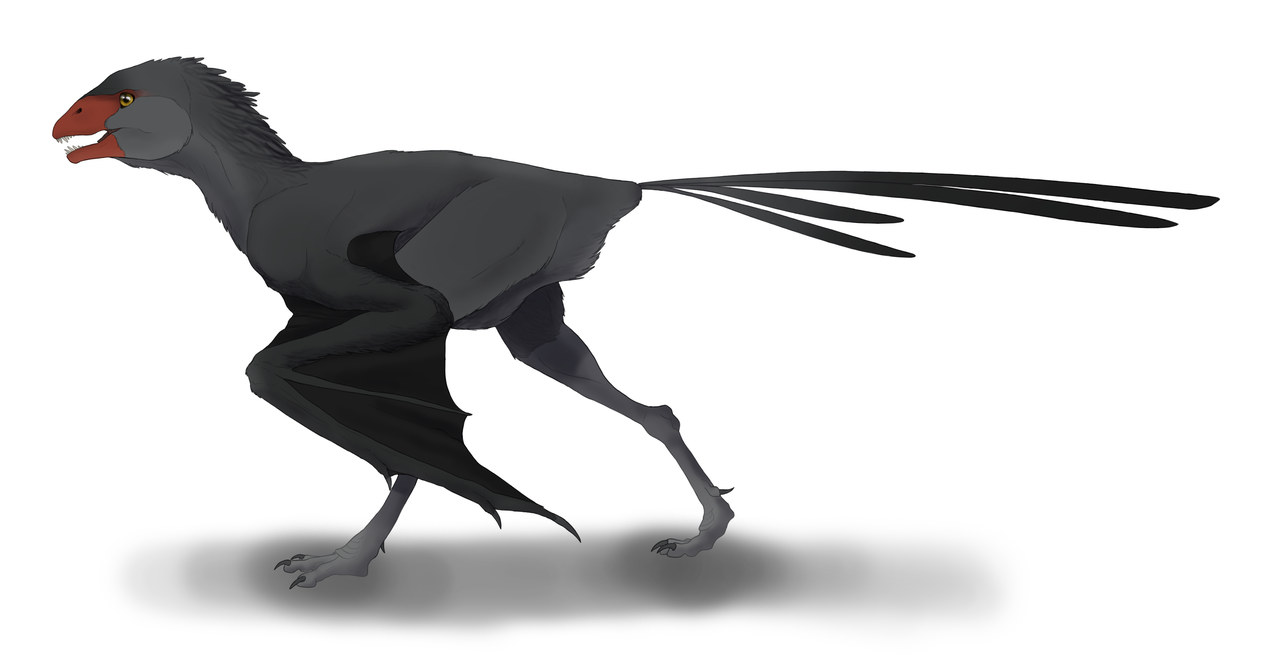
Exceptional fossils from the early Cretaceous of China and other regions illustrate the diversity of paravians and the multiple experiments in feather arrangement and locomotion. Notable four-winged or highly feathered taxa include Microraptor (a dromaeosaurid with long feathers on arms and legs) and Anchiornis (a troodontid-grade, feathered dinosaur with well-preserved plumage). These specimens reveal how lift-generating surfaces evolved on both fore- and hindlimbs and illuminate stages in the origin of aerial locomotion.
Significance and open questions
Paraves occupies a pivotal position for studies of the origin of birds, the evolution of feathers and the emergence of flight. Living birds are the only surviving paravians, and their anatomy, behavior and genomes provide comparative context for interpreting fossils. Ongoing areas of research include detailed functional reconstructions of flight and gliding, the timing of key adaptations, and the ecological diversity of non-avian paravians. For accessible introductions see resources on birds and specialized summaries of non-avian paravians.
Further reading and primary literature often use the names and taxa above to anchor phylogenetic analyses; introductory pages and specimen accounts are available via the following anchors: Archaeopteryx, Microraptor, Anchiornis, and broader clade treatments such as Maniraptora and its relationships to Oviraptor. For group-level summaries consult entries on Dromaeosauridae and Troodontidae.
Questions and answers
Q: What is Paraves?
A: Paraves is a branch-based clade that includes birds (clade Aves) and other closely related dinosaurs.
Q: What are the two main groups included in Paraves?
A: The two main groups included in Paraves are Avialae (such as Archaeopteryx) and Deinonychosauria (which includes dromaeosaurids and troodontids).
Q: Who coined the term Paraves and when?
A: The term Paraves was coined by Paul Sereno in 1997.
Q: How did Paul Sereno define Paraves in 1998?
A: Paul Sereno defined Paraves as a branch-based clade that contains all Maniraptora closer to modern birds than to Oviraptor.
Q: What are some examples of early paravians with four wings?
A: Examples of early paravians with four wings include members of Avialae (Pedopenna), Dromaeosauridae (Microraptor), and Troodontidae (Anchiornis).
Q: What is Maniraptora?
A: Maniraptora is a clade of dinosaurs that includes birds and their closest relatives.
Q: What is the relationship between Paraves and Maniraptora?
A: Paraves contains all Maniraptora closer to modern birds than to Oviraptor, meaning that all members of Paraves are also members of Maniraptora.
Related articles
Author
AlegsaOnline.com Paraves: the clade linking birds and their closest dinosaur relatives Leandro Alegsa
URL: https://en.alegsaonline.com/art/74597
Sources
- taxonsearch.org : taxonsearch.org/