
Avialae: birds and their closest extinct relatives
Avialae is the clade that comprises modern birds and the extinct theropod lineages closest to them, encompassing the evolutionary transition from non‑avian dinosaurs to flying birds.
Overview
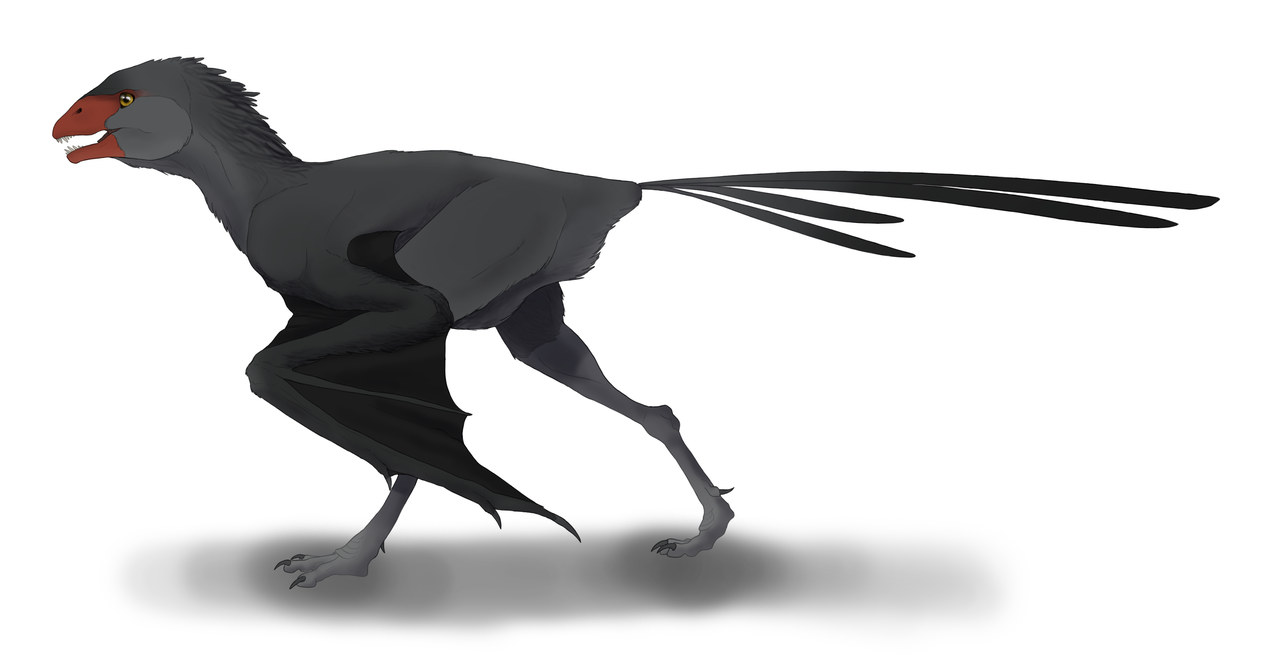
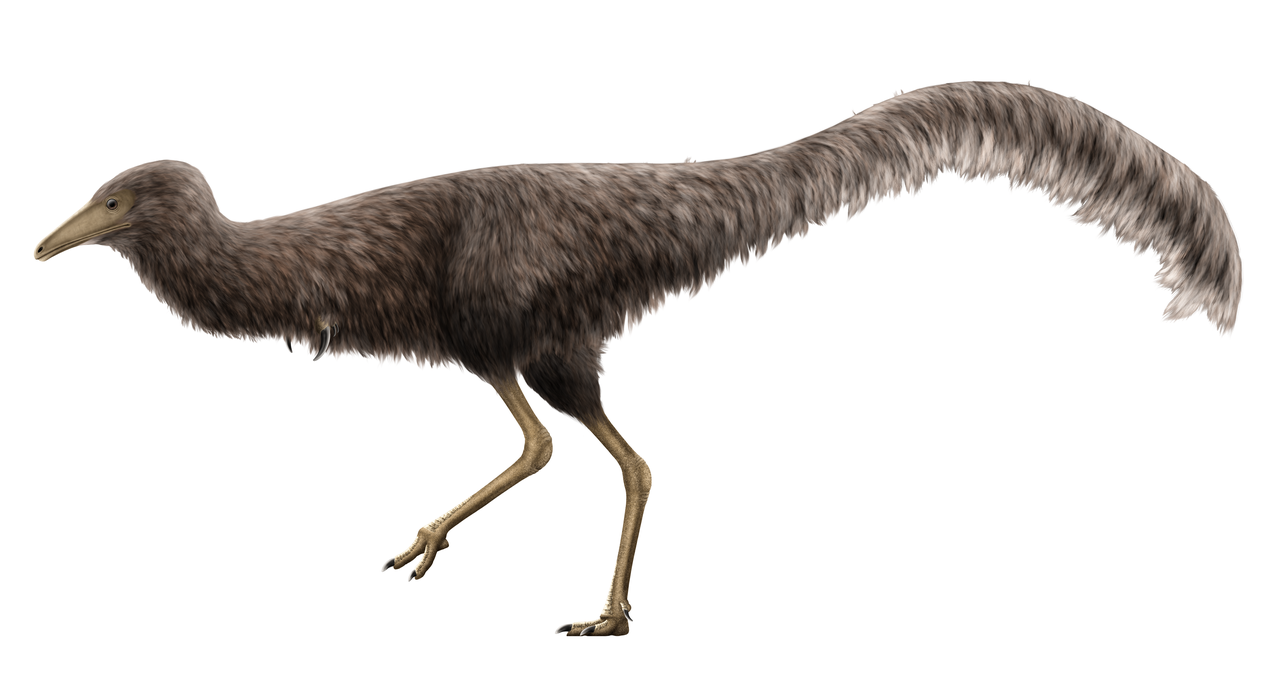
Avialae is a term used by paleontologists to describe the group that includes living birds and the extinct theropod dinosaurs most closely related to them. In broad usage it denotes the evolutionary branch that produced powered flight and many birdlike anatomical features. The group is commonly described as a clade of dinosaurs because birds are nested within theropod dinosaurs.
Image gallery
10 Images





Key characteristics
Members of Avialae typically show a combination of features associated with flight and arboreal life, although early avialans retained many primitive traits. Typical characteristics include:
- Feathers with complex vanes and asymmetric shapes in species adapted for flight.
- Forelimb modifications forming wings, often with elongated hand bones and fused elements.
- Lightened skeleton with a furcula (wishbone) and modifications to the shoulder girdle.
- Reduction of the long bony tail into a shorter pygostyle in more derived forms.
Evolutionary history
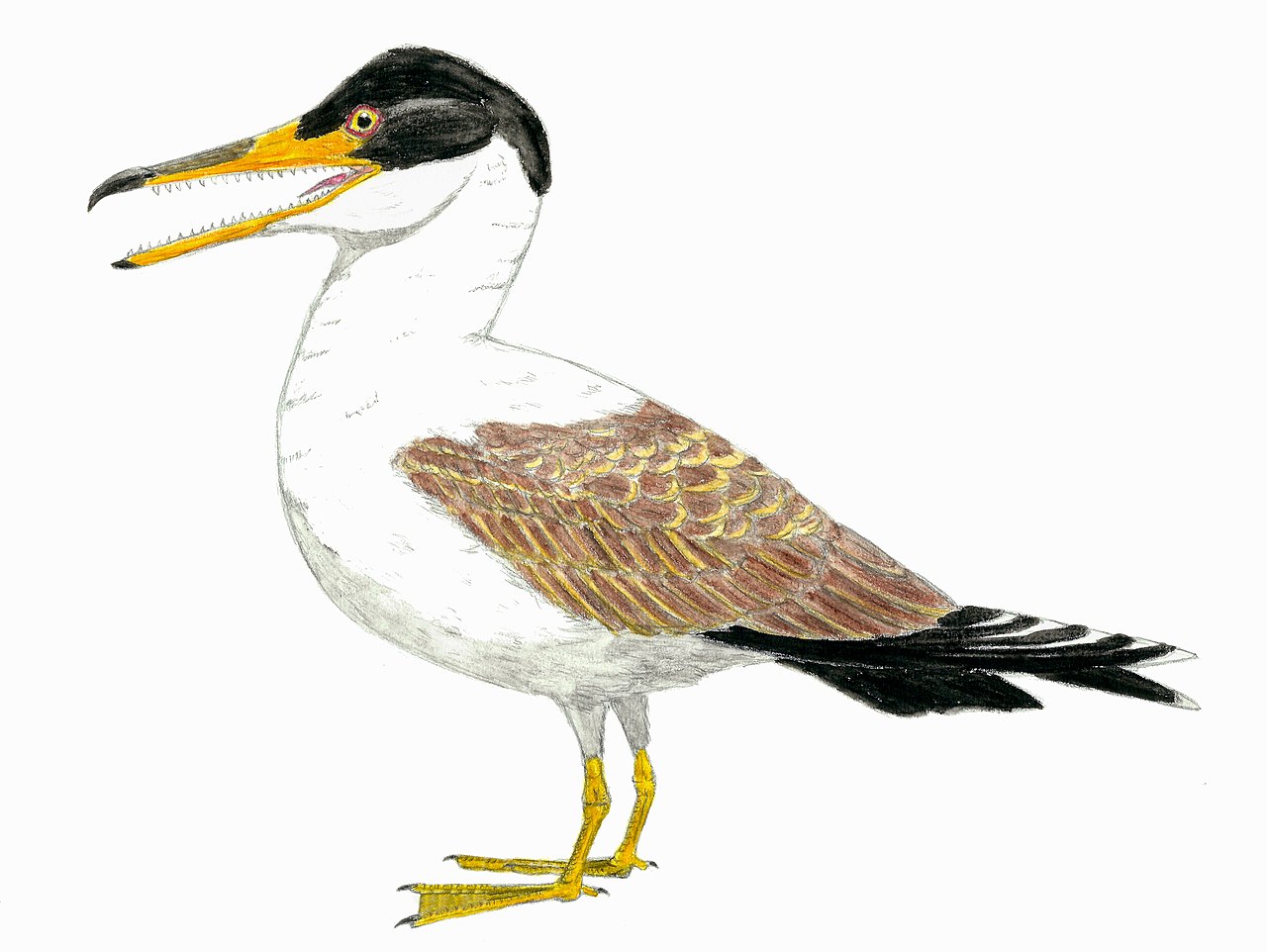
Avialae arose within the theropod radiation during the Mesozoic Era. Well‑known early members include Archaeopteryx and several Cretaceous birds such as Confuciusornis and Ichthyornis. Researchers use slightly different technical definitions—some apply node‑based criteria (linking a particular ancestor and its descendants), others use branch‑based criteria (relative closeness to modern birds). Regardless of definition, Avialae documents the gradual acquisition of flight-related traits from non‑flying ancestors.
Importance and distinctions
Studying Avialae illuminates the origin of feathers, flight, and avian ecology. In classification, Avialae is broader than Aves as used in some senses: Aves can refer specifically to the crown group containing all living birds, while Avialae also includes extinct stem birds that fall outside the modern bird lineage. Fossils and new discoveries continue to refine the boundaries and internal relationships of this pivotal group in vertebrate evolution.
Related articles
Author
AlegsaOnline.com Avialae: birds and their closest extinct relatives Leandro Alegsa
URL: https://en.alegsaonline.com/art/7737
Sources
- dx.doi.org : 10.1017/S1477201907002143