
Dromaeosauridae (Raptors): Feathered, Predatory Theropods
Dromaeosauridae are a family of small-to-medium feathered theropod dinosaurs known for sickle claws, stiff tails, and bird-like traits; they were widespread during the Jurassic and Cretaceous.
Overview
Dromaeosauridae is a diverse family of small to medium-sized, generally carnivorous animals that show many bird-like features. Scientists classify them within the larger group of bird-like theropod dinosaurs. Popular interest in the group increased after depictions in films and books, which popularized the informal name "raptors".
Image gallery
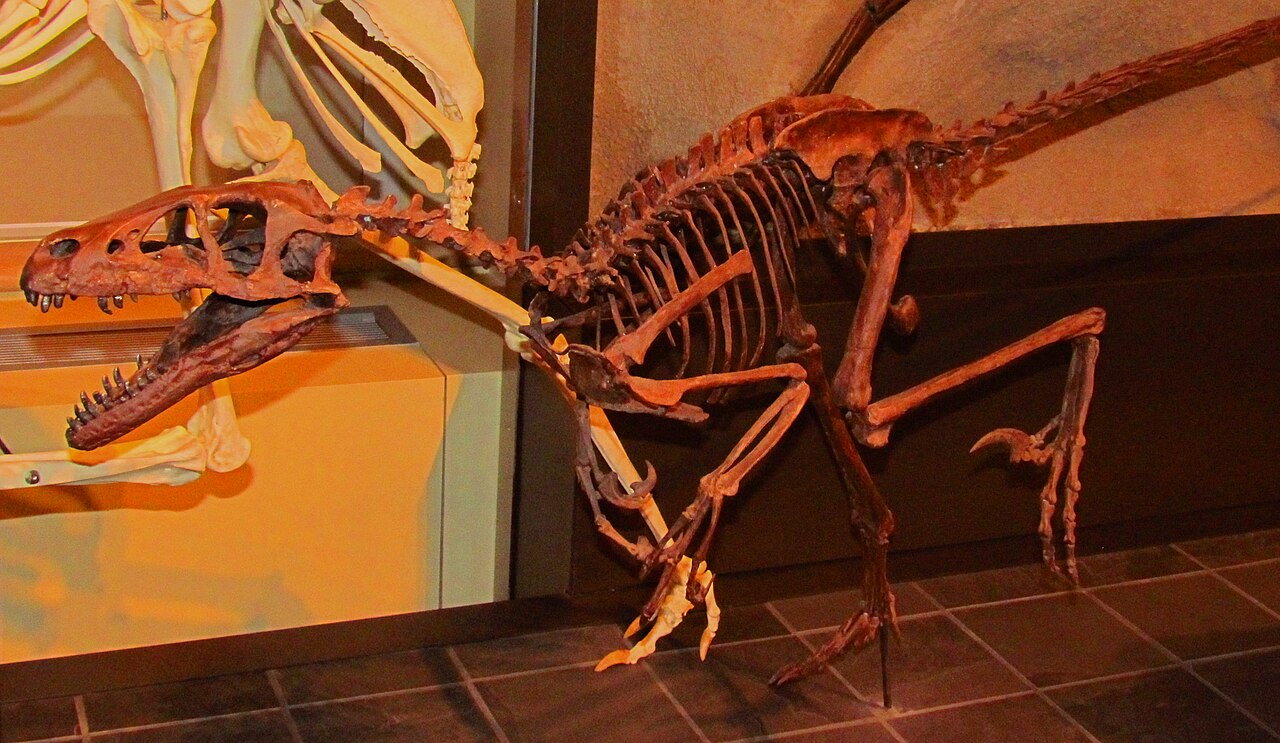
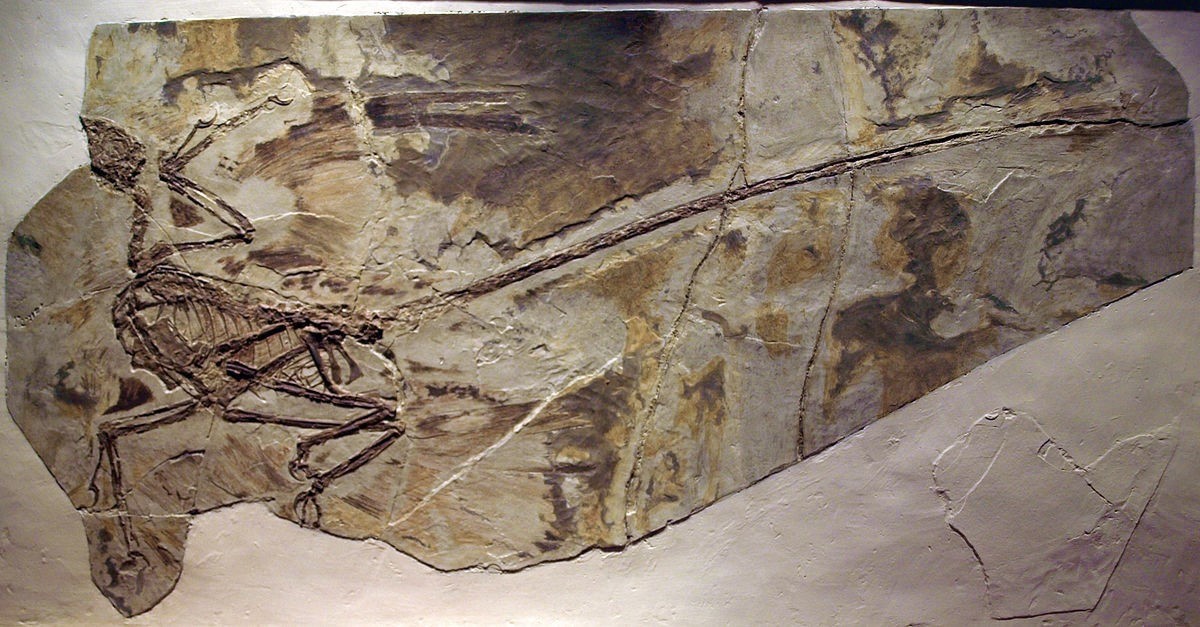
10 Images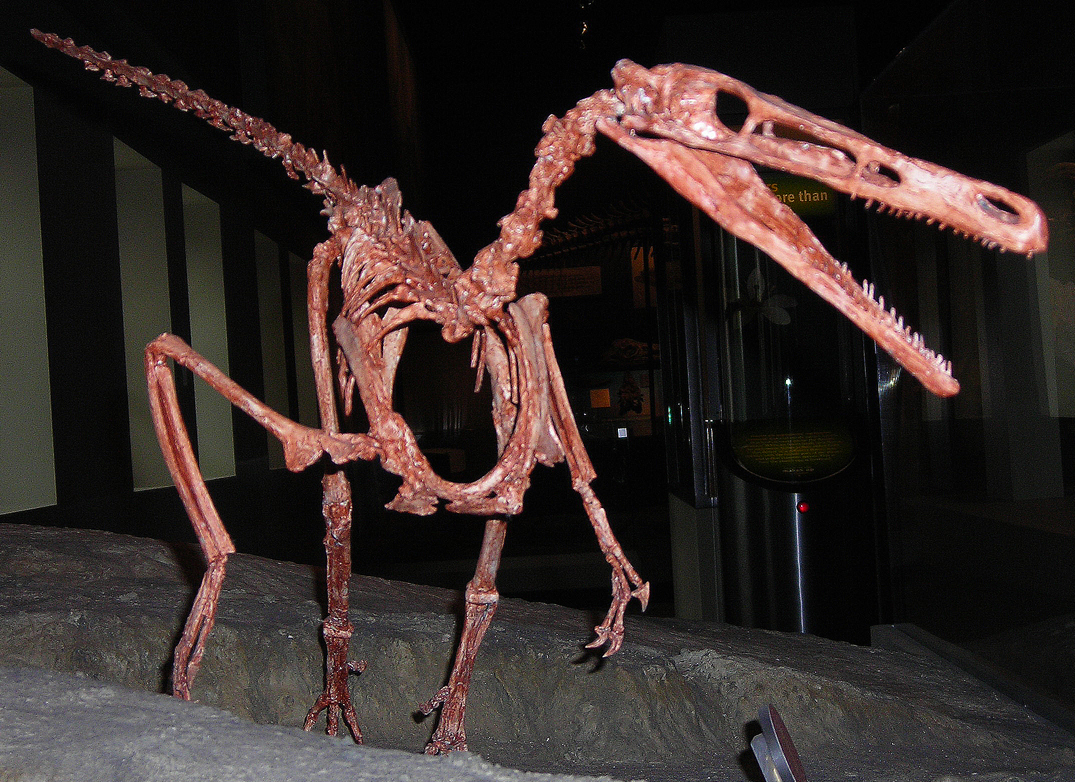




Key characteristics
Dromaeosaurids are distinguished by a consistent set of anatomical adaptations associated with active predation and agile locomotion. Typical traits include:
- Enlarged, recurved second toe claw—often called a "sickle claw"—used in prey capture and handling.
- Long, stiffened tail formed by elongated vertebral processes that provided balance and maneuverability.
- Forelimbs with long, often feathered, arms capable of grasping; in some species the feathers form wing-like surfaces.
- Relatively large braincases and keen senses implied by skull morphology, suggesting active, cursorial lifestyles.
Fossil record and evolution
Fossils attributed to dromaeosaurids appear in Mesozoic deposits primarily from the Jurassic into the Cretaceous. Isolated teeth and fragmentary remains hint at origins no later than the Middle Jurassic, while more complete skeletons are abundant in the Lower Cretaceous and later strata. The group achieved a global distribution, with particularly diverse assemblages in northern continents during the later Cretaceous. Many species show preserved integumentary structures confirming they were feathered.
Behavior, ecology and significance
Dromaeosaurids occupied a range of ecological roles as active predators and possibly opportunistic scavengers. Their anatomy suggests rapid running, leaping, and complex forelimb use while subduing prey. Because of their combination of feathers, grasping hands, and other bird-like features, dromaeosaurids are central to studies about the origin of flight and the evolutionary transition between non-avian dinosaurs and birds.
Notable genera and cultural impact
Several genera are well known to both scientists and the public. Velociraptor and Deinonychus are frequently cited examples, the latter having played a major role in reshaping perceptions of dinosaurs as active, agile animals. The popular name "raptor" was brought into common usage by media such as Jurassic Park, though cinematic portrayals often mix traits from multiple species.
For further reading about their classification and fossil discoveries, consult specialist literature and databases linked through museum and academic resources: birds-and-dinosaurs comparisons, functional studies of the theropod bauplan, and regional surveys of Cretaceous faunas. Ongoing fieldwork continues to refine the group's early record and geographic spread, including material that informs their presence in the Middle Jurassic and diversification by the Lower Cretaceous.
Because each new specimen can change details of reconstructions and behavior, dromaeosaurids remain a vibrant area of paleontological research, illuminating the deep connections between non-avian dinosaurs and modern birds and reshaping our understanding of Mesozoic ecosystems.
For curated specimen images and summaries visit trusted museum pages and academic reviews linked through subject portals: taxonomic summaries, field reports and synthesis papers are routinely updated as new fossils are described.
Questions and answers
Q: What is a dromaeosaur?
A: A dromaeosaur is a family of bird-like theropod dinosaurs that includes the famous Velociraptor and Deinonychus.
Q: When did dromaeosaurs first appear?
A: Dromaeosaurs first appeared in the Middle Jurassic, 167 million years ago (mya).
Q: How big were they?
A: Dromaeosaurs were small to medium-sized feathered carnivores.
Q: What do they commonly called?
A: They are often called raptors, a term popularized by the movie Jurassic Park.
Q: Where did they live?
A: Dromaeosaurs had a world-wide distribution. They were found in both the northern and southern hemispheres.
Q: What was their primary food source?
A: Dromaeosaurs were fast-running predators and primarily ate meat.
Q: When did they become extinct?
A: They survived until the end of the Cretaceous, 65.5 mya at the K/T extinction event.
Related articles
Author
AlegsaOnline.com Dromaeosauridae (Raptors): Feathered, Predatory Theropods Leandro Alegsa
URL: https://en.alegsaonline.com/art/28971
Sources
- geol.umd.edu : Winter 2011 Appendix.
- doi.org : 10.1016/S0016-7878(08)80129-0
- springerlink.com : "Behavioral and faunal implications of Early Cretaceous deinonychosaur trackways from China"
- ncbi.nlm.nih.gov : "An aberrant island-dwelling theropod dinosaur from the Late Cretaceous of Romania"
- doi.org : 10.1073/pnas.1006970107
- pubmed.ncbi.nlm.nih.gov : 20805514
- pnas.org : Supporting Information
- hdl.handle.net : "Important features of the dromaeosaurid skeleton II: information from newly collected specimens of Velociraptor mongoliensis"
- pnas.org : pnas.org/cgi/reprint/0609975104v1.pdf
- research.amnh.org : al.2002.pdf
- digitallibrary.amnh.org : "A small derived theropod from Öösh, Early Cretaceous, Baykhangor Mongolia"
- doi.org : 10.1206/0003-0082(2007)3557[1:ASDTFS]2.0.CO;2
- doi.org : 10.1038/nature01342
- pubmed.ncbi.nlm.nih.gov : 12540892